A little fish with big significance for clean water
February 24, 2026Four states share the same state fish—and a commitment to protecting the habitat it needs for survival
Read story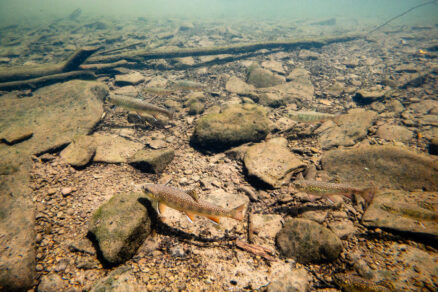

Our regional partnership guides the restoration and protection of the nation’s largest estuary.
Learn more about usFour states share the same state fish—and a commitment to protecting the habitat it needs for survival
Read story
Conservation speed-dating workshops help farmers find conservation programs for their properties
Read story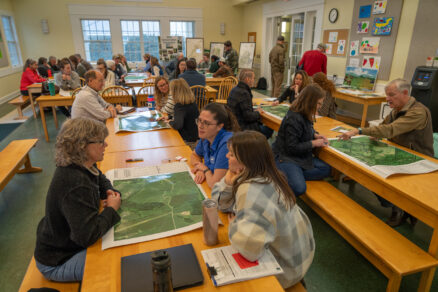
Toxic contaminants persist in the Bay, but so do the efforts of the Bay Program to understand and reduce them
Read story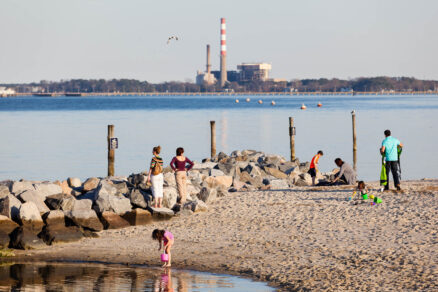
 Thriving Habitat, Fisheries & Wildlife
 Clean Water
 Healthy Landscapes
 Engaged Communities
Our partnership is guided by the Chesapeake Bay Watershed Agreement: a collaborative commitment to restore, conserve and protect the Bay, its tributaries and the lands that surround them.
Learn more about the latest agreementThousands of creeks, streams and rivers deliver fresh water to the Bay from a region that spans 64,000 square miles.
Learn more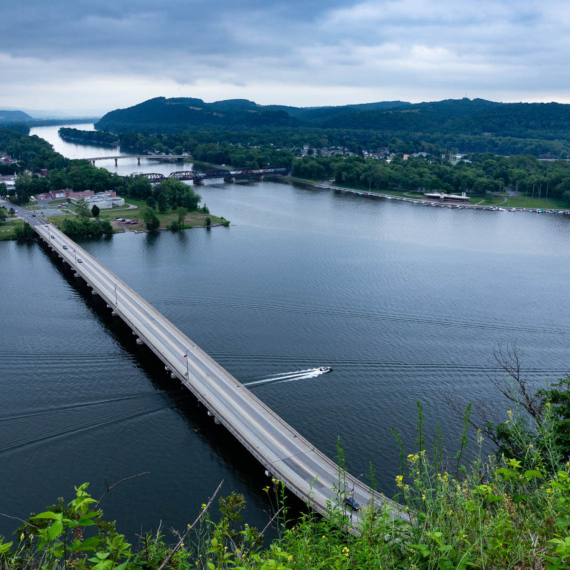
A balanced food web supports a productive ecosystem, as energy flows from the Bay's plants to its predators.
Learn more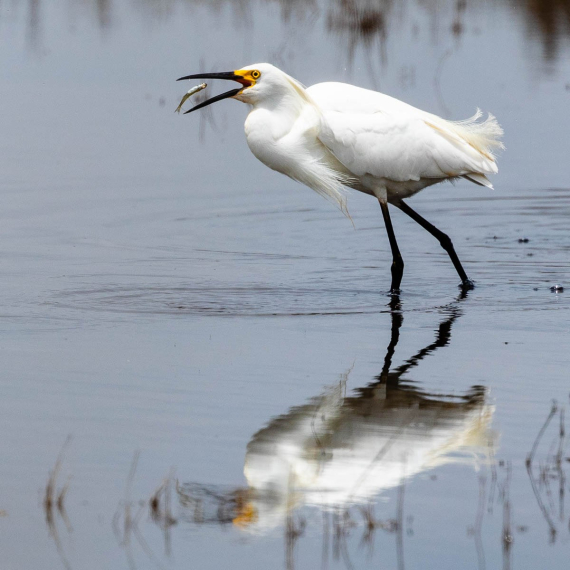
Complex problems face the Bay, its watershed and the plants, animals and people that live here.
Learn more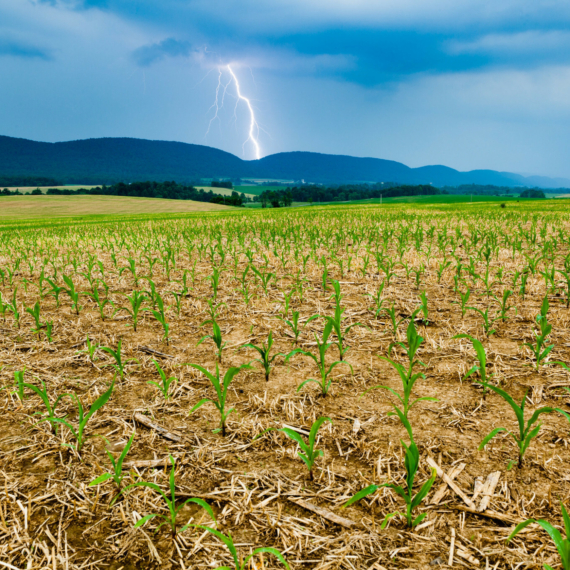
From trivia about its geography to facts about its flora and fauna, the Bay has a lot to teach us.
Learn more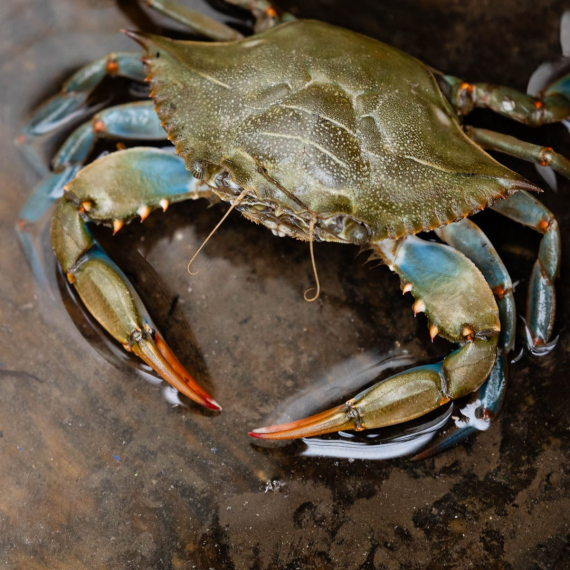
Explore the Field Guide to learn about more than 300 species of birds, fish, insects, invertebrates, mammals, plants, reptiles and amphibians that live in the Chesapeake Bay region.
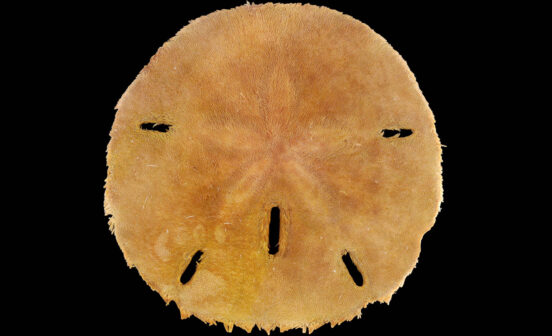
Visit the field guideThe sand dollar is commonly known for its skeleton’s beautiful appearance that can be found along shorelines, but living sand dollars travel along the ocean floor.
View critter