
Skip to content
Chesapeake Bay Program logo, Science. Restoration. Partnership
    • The Watershed
    • Field Guide
    • Bay Facts
    • Bay 101 Videos
    • FAQ
    • Glossary

    Ecosystem

    • Chemical Makeup
    • Dissolved Oxygen
    • Food Web
    • Physical Characteristics
    • Estuaries
    • Water Clarity
    • All Issues

    Threats to the Bay

    • Agricultural Runoff
    • Air Pollution
    • Chemical Contaminants
    • Climate Change
    • Conowingo Dam
    • Invasive Species
    • Nutrient Runoff
    • Population Growth
    • Sediment Runoff
    • Stormwater Runoff
    • Wastewater

    What's at Risk?

    • Blue Crabs
    • Forest Health
    • Groundwater
    • Oysters
    • Rivers and Streams
    • Stream Buffers
    • Underwater Grasses
    • Wetlands
    • Help Protect the Bay
    • Find a Bay Organization
    • Celebrate Chesapeake Bay Awareness Week
    • Press Center
    • Recent Stories
    • Videos

    Browse Our Stories

    • Chesapeake Stewardship
    • Partnership News
    • Restoration Spotlight
    • Travel, Recreation and Culture
    • Watershed Science
    • Wildlife
    • Office Staff
    • Our Partners
    • Partnership Directory
    • How We’re Organized
    • Organizational Chart
    • Our History
    • Our Funding
    • Contact Us

    Work With Us

    • Internships
    • Career Development
    • Career Opportunities
    • Meetings Calendar
    • Our Accomplishments
    • Grants & RFPs
    • Publications
    • Monitoring and Modeling Data

    What Guides Us

    • Chesapeake Bay Watershed Agreement

    Programs & Projects

    • Bay TMDL
    • Monitoring
    • Modeling
    • BMP Verification
    • Quality Assurance
    • Data Governance
  1. Recent Stories

Tagged Stories: "river flow"

Browse Our Stories

Chesapeake Stewardship Partnership News Restoration Spotlight Travel, Recreation and Culture Watershed Science Wildlife

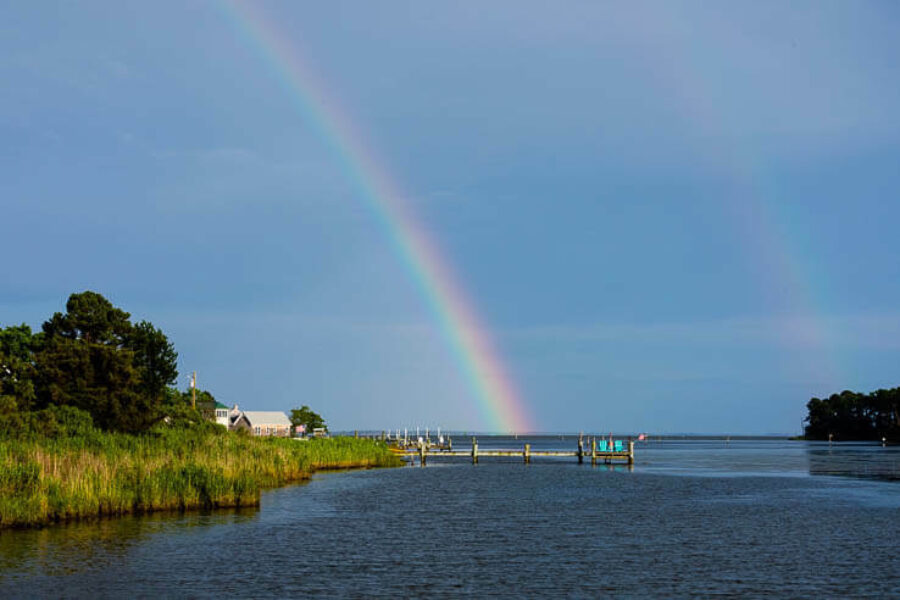
How does rain help and hurt the Chesapeake Bay?

May 11, 2022

Rainfall impacts salinity levels, water clarity and dissolved oxygen levels

Read story‍
Experts find an average Chesapeake Bay dead zone in 2021

November 30, 2021

Hot weather and mild winds contribute to the dead zone sticking around longer into the fall

Read story‍
Spring weather leaves researchers optimistic for a small summer dead zone

June 23, 2021

Ongoing efforts to reduce nutrient and sediment pollution also play a role

Read story‍
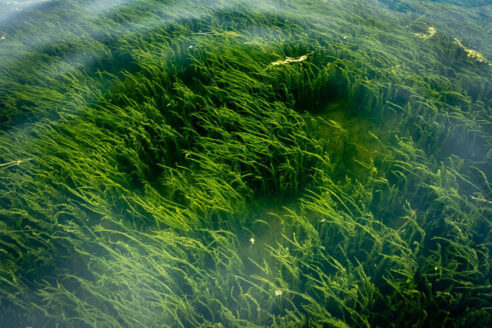
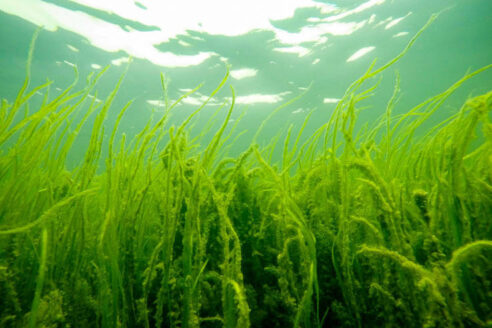
Above average river flows impact underwater grasses

July 8, 2020

Abundance declines after several years of growth

Read story‍
Bay health impacted by record flows

November 26, 2019

Largest amount of fresh water to enter the Chesapeake Bay since 1937

Read story‍
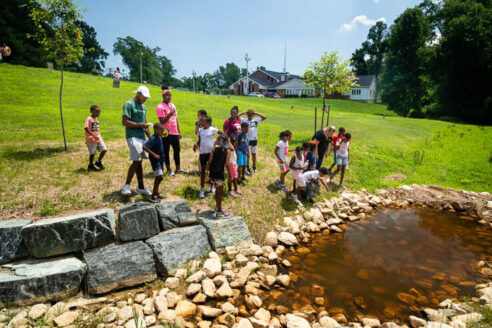
Preventing a church's memory from washing away

July 11, 2019

Collaborative effort to prevent flooding in a historic cemetery inspires young stewards

Read story‍
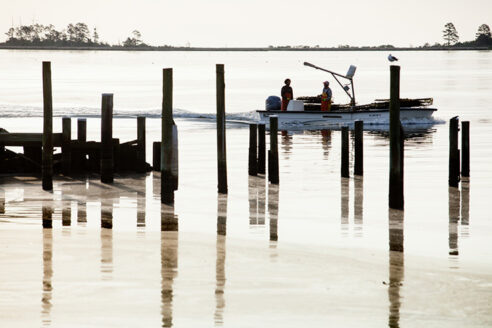
Water quality improves, pollution falls in the Chesapeake Bay

September 21, 2016

Data show significant drop in nutrient and sediment loads

Read story‍
Scientists predict moderate to poor oxygen levels in Chesapeake Bay

June 14, 2011

The Chesapeake Bay is expected to have moderate to poor dissolved oxygen conditions during the early part of the summer.

Read story‍

Health of Chesapeake Bay's streams and rivers slowly improving, but still degraded in many areas

May 9, 2011

Nutrient pollution in the majority of the Chesapeake Bay region's freshwater streams and rivers has decreased over the last 25 years.

Read story‍
Chesapeake Bay health receives C-minus on latest report card

April 27, 2011

The Chesapeake Bay has received a C-minus on the University of Maryland Center for Environmental Science's (UMCES) 2010 Bay Health Report.

Read story‍

Connect with us. Stay informed on our work.

Follow us on these social networks.

Sign up for one of our newsletters.

Subscribe
Chesapeake Bay Program logo, Science. Restoration. Partnership

The Chesapeake Bay Program is a unique regional partnership that has led and directed the restoration of the Chesapeake Bay since 1983. The content on this website does not necessarily reflect the views or positions of the federal government.
 

Tel: (800) YOUR-BAY (968-7229)
Fax: (410) 267-5777

© 2025 Chesapeake Bay Program All Rights Reserved

  • Contact Us
  • Terms of Use
  • Privacy Policy