Help Protect the Bay
Our everyday actions—from fertilizing our lawns to driving our cars—have a major impact on the Bay. But by making simple changes in our lives, each one of us can take part in restoring the Bay and its rivers for future generations.
Unplug Appliances
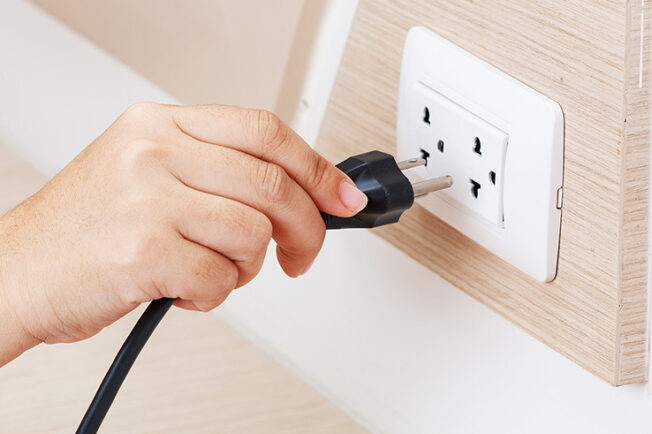
Unplug appliances like coffeemakers, toasters and televisions when no one is using them. For harder to reach outlets, plug devices into a power strip that can easily be switched off.
Use Mercury-free Thermometers
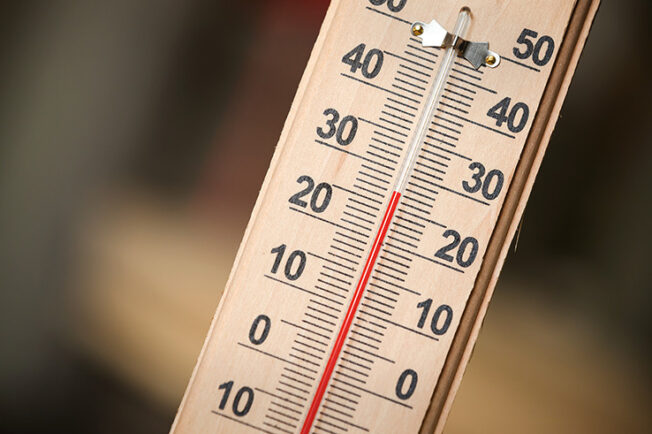
Use mercury-free, non-toxic thermometers. Mercury thermometers should be disposed of at a household hazardous waste facility.
Conserve Water in the Kitchen
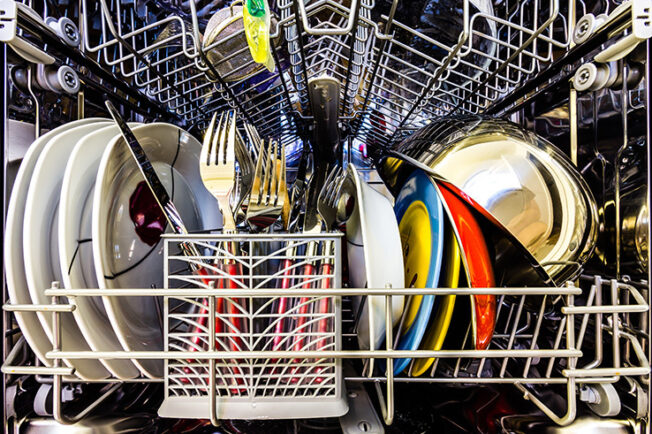
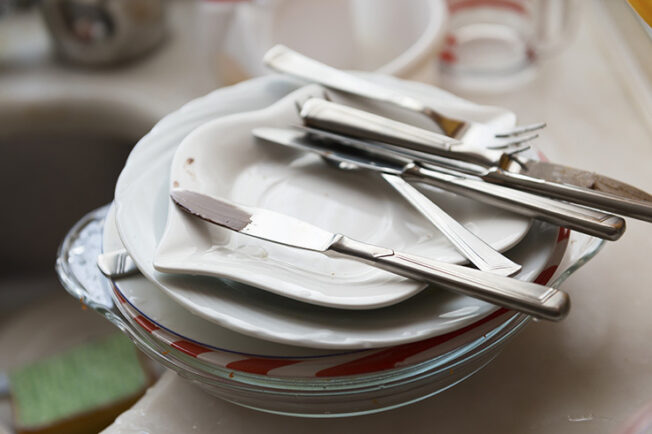
Scraping or wiping off your dishes before putting them in the dishwasher allows you to skip the pre-wash cycle and only run your dishwasher when it's full. Bonus tip: Try washing fruits and vegetables in a large bowl or tub of water rather than under the faucet.
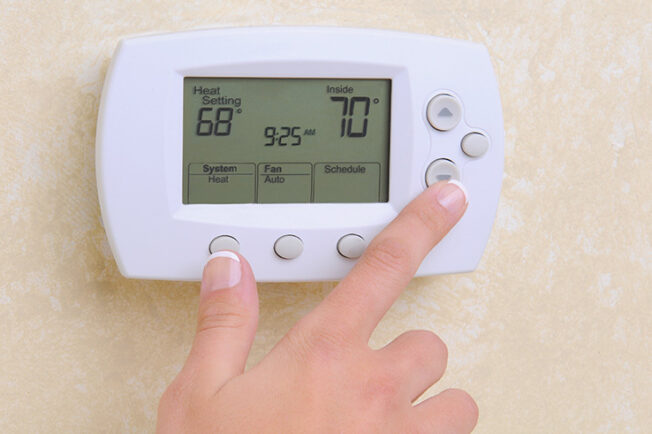
Adjust Your Thermostat
Much of our home energy is supplied by coal, the burning of which sends pollutants into the air. If possible, set your thermostat at 68 degrees Fahrenheit in the winter and 78 degrees Fahrenheit in the summer to cut down on your energy use.
Use Reusable Products
Instead of single-use products, use reusable cloth items like canvas grocery bags, cloth napkins or cloth diapers.

Recycle Your Electronics
Each year, between 22 and 55 tons of electronics enter the waste stream. Most end up in an incinerator or a landfill, but you can help keep our air, land and water clean by recycling your mobile phone, personal computer and other electronic devices.
Learn more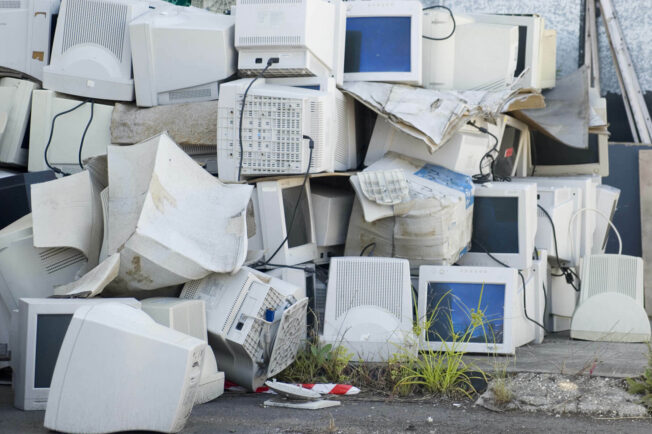
Use Toxic-free Personal Products
Use eco-friendly lotions, cosmetics and perfumes to keep toxic chemicals from washing off of our bodies and into our waterways.

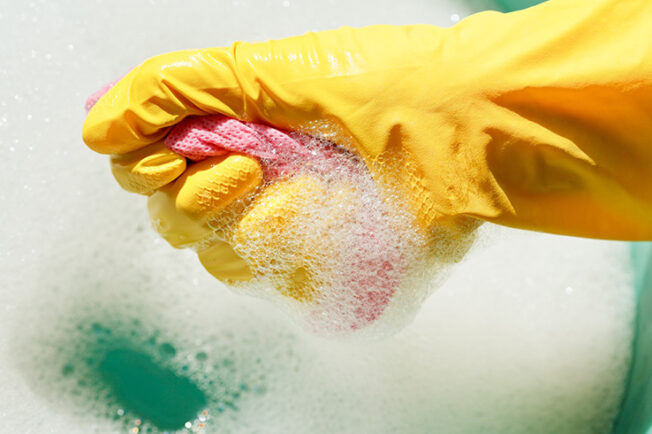
Use Toxic-free Cleaning Products
Use eco-friendly cleaning products to keep toxic chemicals out of our waterways. Plain soap and water can rid surfaces of bacteria and are safer for our water supply.
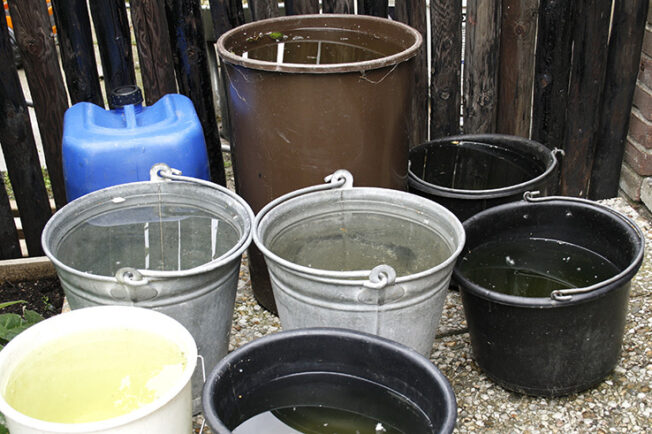
Save Shower Water
Put a bucket in the shower to catch water as it warms up. Use the extra water for plants or pet bowls.
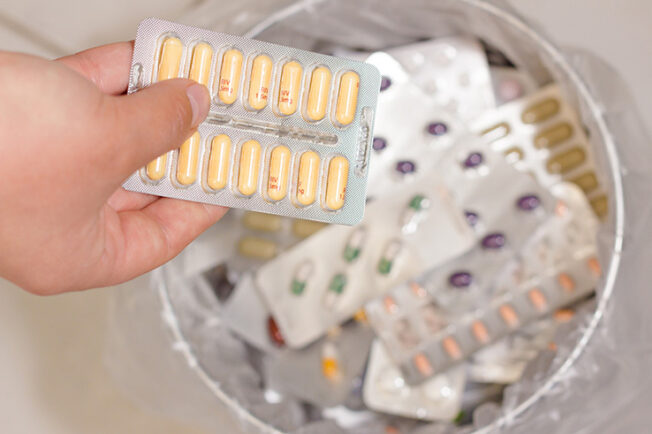
Dispose of Medicine Properly
To keep medicine out of our waterways, don't pour expired or leftover drugs down the sink or flush them down the toilet. Instead, return unused medicine to a consumer drug return location or foul your medication with coffee grounds or cat litter and put it in the trash.
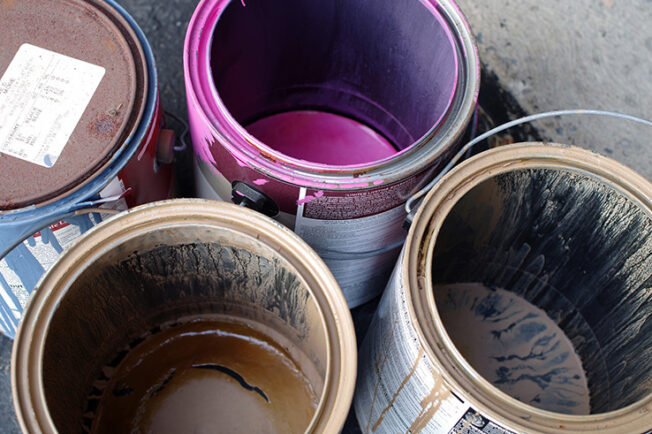
Dispose of Chemicals Properly
Follow safe (and legal) disposal methods for household chemicals like paint or motor oil.
Keep Your Drain Fat-free
Don't pour fat, oil or grease down your drain, where they can clog pipes and lead to sewage overflows over time.

Save Water When Flushing
Put a sand-filled jug in your toilet tank. You'll save about one half-gallon of water with each flush.

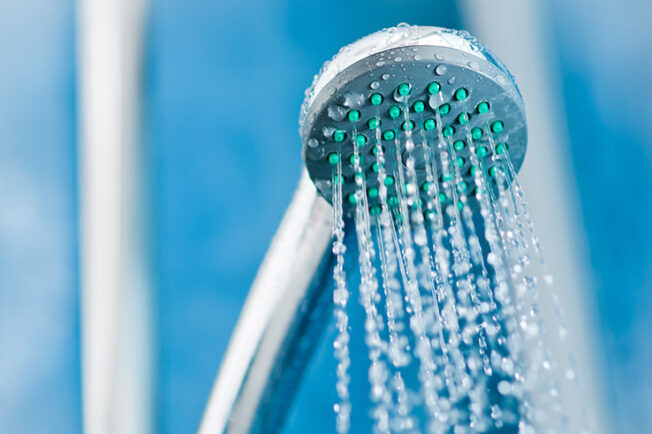
Install a Low-flow Showerhead
Installing a low-flow showerhead can help save about one gallon of water per minute.
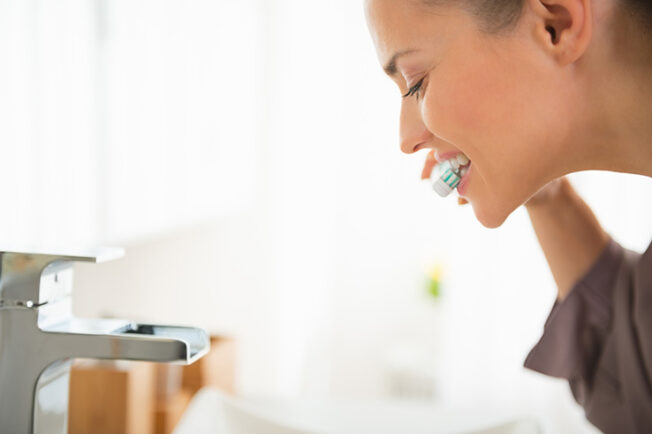
Turn Off the Faucet
Save water and the Bay by turning off the faucet while you shave, brush your teeth and wash dishes.
Fix Leaky Faucets
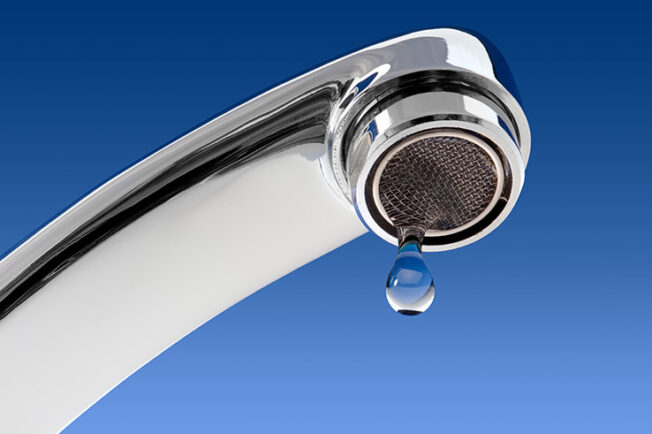
Fix leaky toilets and faucets. A dripping faucet can waste 20 gallons of water per day.
Take Shorter Showers
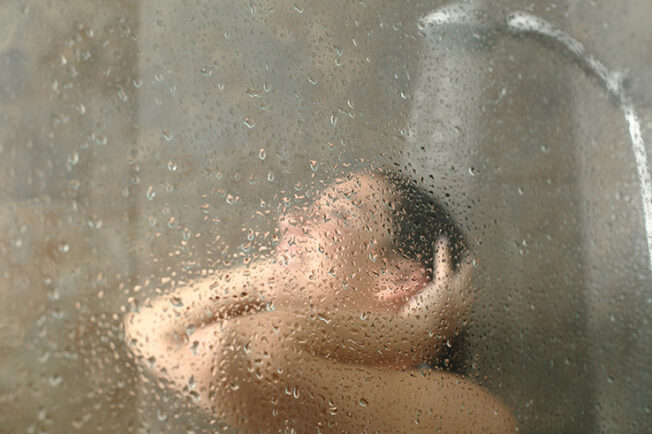
Take shorter showers. By cutting your shower time by five minutes, you can save 10 to 12 gallons of water per shower.
Conserve Water
To save water, only run your washing machine when it is full. Also, most of the energy required for washing clothes is spent heating water. To save energy, set your washing machine to cold water or the woolens setting.