How We’re Organized
Our unique partnership is organized into goal teams, support teams and advisory committees, which work together to achieve the restoration, conservation and protection goals of the Chesapeake Bay Watershed Agreement.
Leading the Partnership
The Chesapeake Bay Program's two leadership teams set the vision and policy direction for the partnership.
Chesapeake Executive Council
The Chesapeake Executive Council establishes policy direction for the restoration, conservation, and protection of the Bay, and is accountable to the public for progress toward the Watershed Agreement.
View group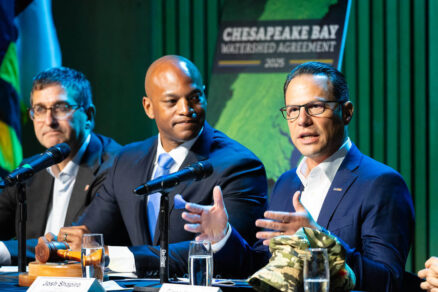
Policy Steering Committee
The Policy Steering Committee translates the Chesapeake Executive Council's vision into policies, priorities and actionable assignments for goal teams.
View group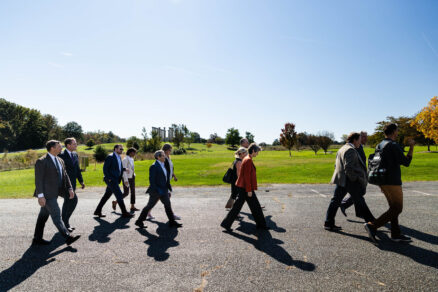
Advising the Partnership
The Chesapeake Bay Program’s four advisory committees provide independent, informed recommendations to the Chesapeake Executive Council and Policy Steering Committee. They serve as liaisons between the partnership and four key stakeholder groups: watershed residents, local government leaders, the agricultural industry and the scientific community.
Reaching Partnership Goals
The Chesapeake Bay Program’s four goal teams guide efforts to achieve the goals, outcomes and targets of the Chesapeake Bay Watershed Agreement. Goal teams receive direction from and report to the Policy Steering Committee, translating policy decisions into coordinated action. Within goal teams, workgroups provide technical and programmatic expertise to drive progress toward individual outcomes and targets. Goal teams may also establish action teams to meet short-term, specialized needs.
Thriving Habitat, Fisheries & Wildlife
The Thriving Habitat, Fisheries & Wildlife Goal Team works to protect, restore and sustain fisheries and wildlife, as well as the land and water habitats they depend on.
View group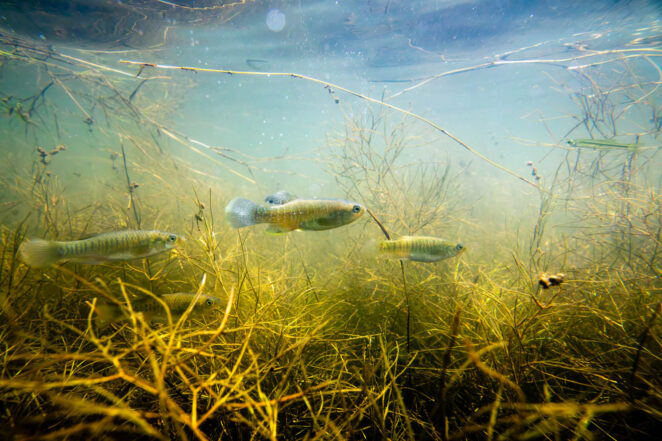
Clean Water
The Clean Water Goal Team works to reduce pollutants entering the Bay and its rivers.
View group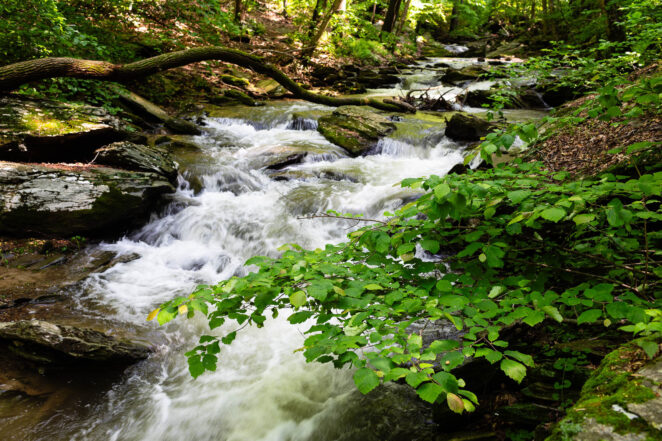
Healthy Landscapes
The Healthy Landscapes Goal Team works to conserve, protect, restore and enhance landscapes of ecological, economic, recreational and cultural value.
View group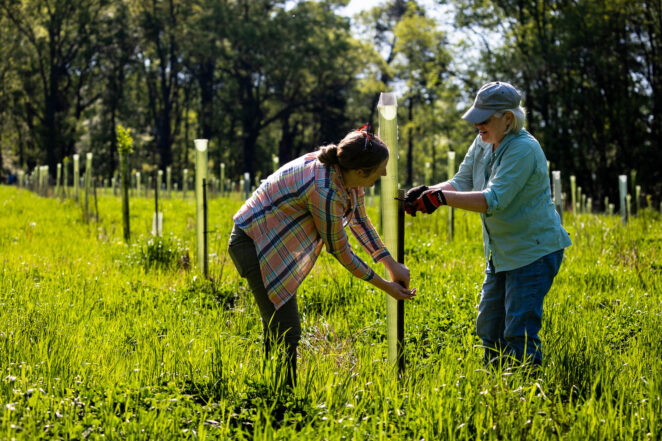
Engaged Communities
The Engaged Communities Goal Team works to engage and grow a community of stewards through education, recreation and professional opportunities.
View group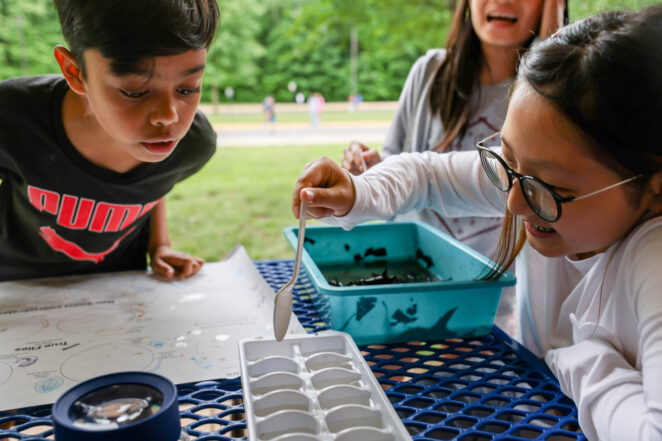
Supporting the Partnership
The Chesapeake Bay Program's three support teams equip the partnership with expertise in planning and operations, science and analysis, and outreach and engagement.
Science & Analytical Support Team
The Science & Analytical Support Team helps goal teams, workgroups and action teams use physical and social science to advance their work, and aids the partnership in making science-informed management decisions.
Strategic Engagement Team
The Strategic Engagement Team helps goal teams, workgroups and action teams use communications, outreach and social science to advance their work, and aids the partnership in stakeholder engagement.
Governance & Operations Workgroup
The Governance & Operations Workgroup supports long-term planning and operational effectiveness, maintaining the partnership's governance and priority setting frameworks and assisting with accountability and adaptive management practices.
Learn More About the Chesapeake Bay Program Partnership
In our effort to protect and restore the Bay and its rivers, the Chesapeake Bay Program brings together a wide range of agencies, organizations and community representatives. Our collaborative structure supports consensus-building and shared accountability, and will continue to evolve as we align and assess our work toward our shared environmental goals.