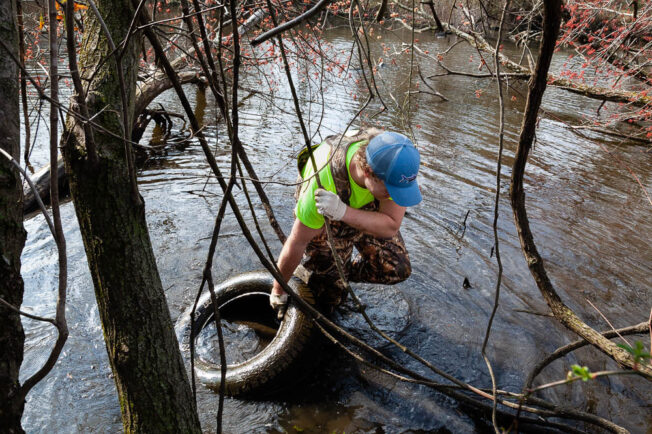
Help Protect the Bay
Our everyday actions—from fertilizing our lawns to driving our cars—have a major impact on the Bay. But by making simple changes in our lives, each one of us can take part in restoring the Bay and its rivers for future generations.
Support Work From Home Days
Workers can cut back on in-office energy use and emissions by working from home.

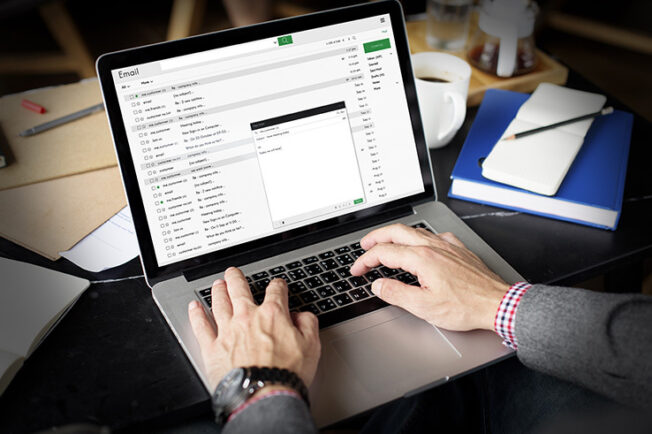
Delete Old Emails and Files
Digital files are stored in data centers which require a lot of energy to power and are often built over forests. Reduce reliance on data centers by deleting emails and unused files from your computer and website.

Go Green During Work Events
Encourage the use of reusable dishes, cups and silverware during work events. Bring in a compost bin for food scraps and drop them off at a composting site.

Swap Products With Co-workers
Cut back on consumption and waste by giving away household items to co-workers.

Volunteer With Co-workers
Find an environmental organization near you and invite your co-workers to a volunteer opportunity.
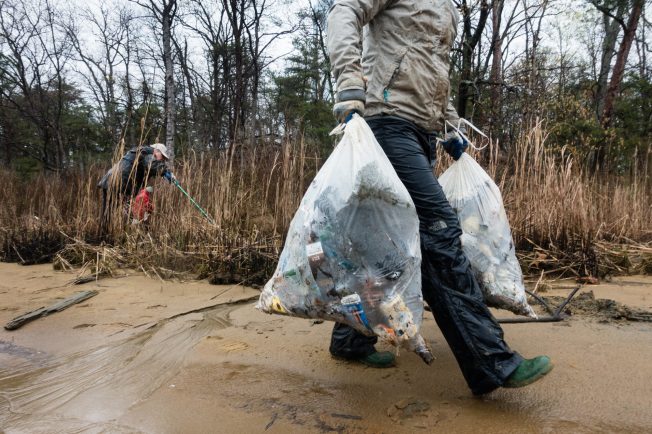
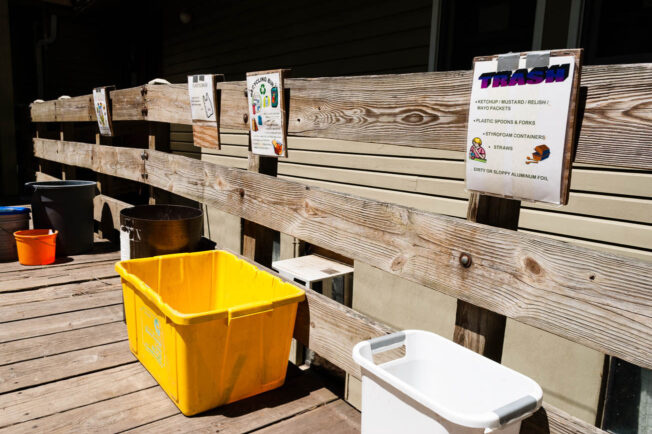
Encourage Co-workers to Recycle
Help co-workers recycle more by providing more recycling bins and giving information about what is and isn’t recyclable.
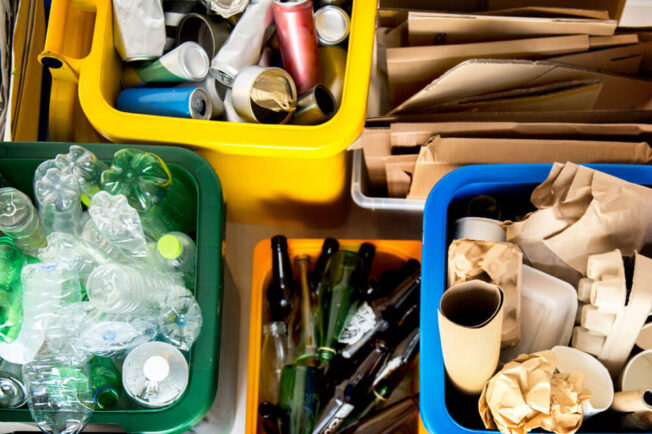
Plant a Butterfly Garden
Planting a butterfly garden is a great way to attract and support wildlife while adding green spaces to a yard.
Learn more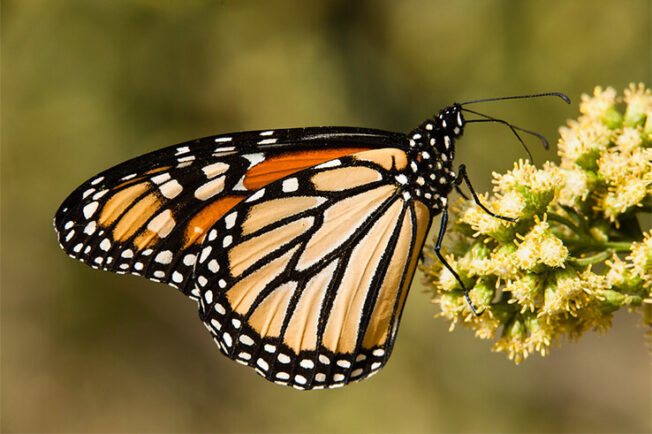
Take a Field Trip
Get out of the classroom and into the Chesapeake region with a fun and engaging field trips to farms, museums, environmental centers and more.

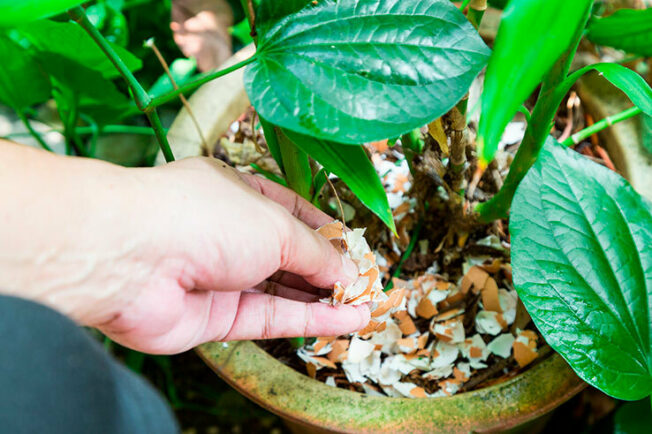
Reuse Egg Shells
Don't throw egg shells in the trash—use them in garden as fertilizer, pest control or mulch.
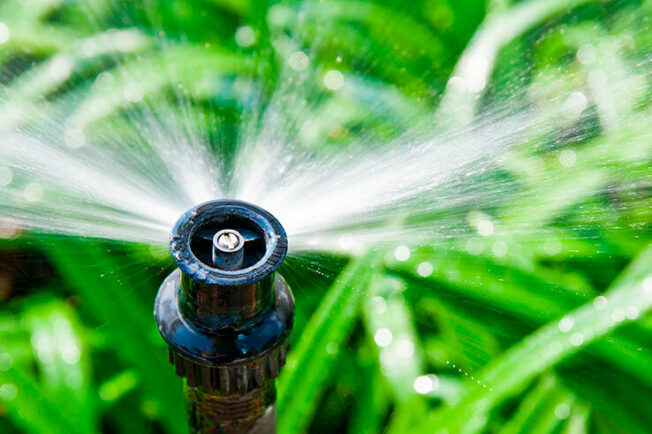
Water Your Lawn in the Morning
Water your lawn and garden in the early morning or early evening to reduce evaporation and save water.
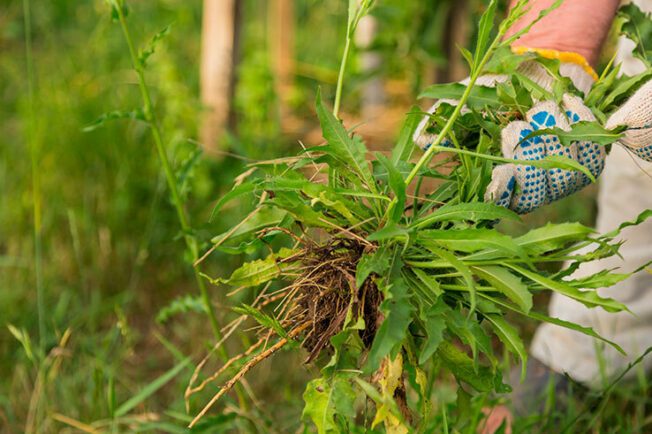
Use Natural Herbicides
Instead of chemical weed killers, try dousing weeds with boiling water, table salt or vinegar, or pulling them out and digging up the roots.
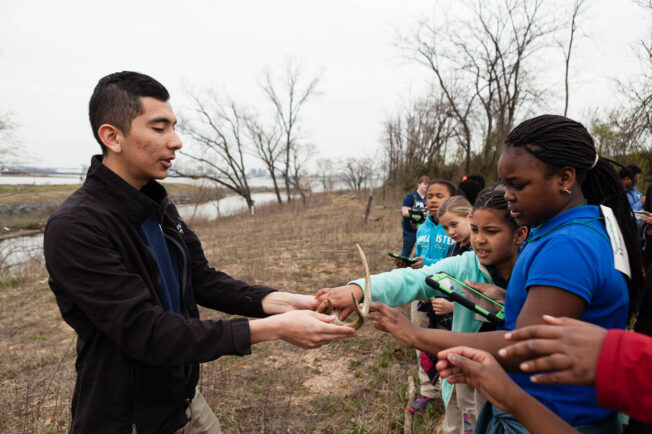
Foster Environmental Literacy
Teach students about issues such as climate change, forests and blue crabs to engage them with what’s happening in the environment where they live. Bay Backpack is a site designed to help teachers create environmental lessons for students and contains hundreds of resources on a variety of topics.
Walk, Bike or Carpool to School
Cut emissions entirely by arranging a bike train or group walk to school or reduce emissions by creating a carpool in your neighborhood.

Organize a Clothing Swap
Consider a clothing swap with classmates or donate clothes that don’t fit anymore. For schools with uniforms, set up a day to exchange skirts, pants and shirts that have been outgrown for larger sizes.

Encourage Recycling
Check out your school’s recycling programs. Are recycling bins available and are people encouraged to use them? Make sure you know what can and can’t be recycled, and spread the word.
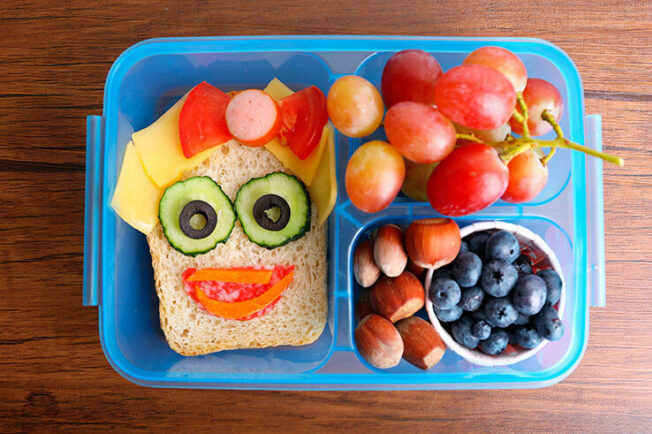
Use Reusable Containers For Lunch
Use a lunch box instead of plastic or paper bags for lunch. Buy reusable, sealed containers for drinks, sandwiches, snacks and other lunch items instead of re-sealable plastic bags.
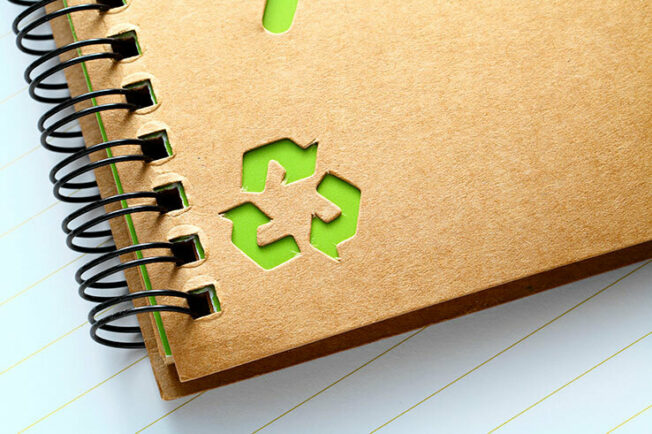
Reuse School Supplies
Before buying new school supplies, take a look at what you already have and see if you can reuse notebooks, folders and other supplies that are still in good condition from previous years. If you do have to buy new, look for items made out of recycled materials like notebooks and pencils made from 100% post-consumer content.

Use Recycled Materials
When buying school supplies, look for items made out of recycled materials. For example, buy notebooks and pencils made from 100% post-consumer content.
Consider Cargo Weight
Avoid hauling cargo on your roof rack. Transporting items on top of your car increases drag and uses more fuel.

Go Paperless
Reduce the amount of waste produced at the office by emailing documents, sharing electronic files and reviewing documents on a screen instead of printing when possible.
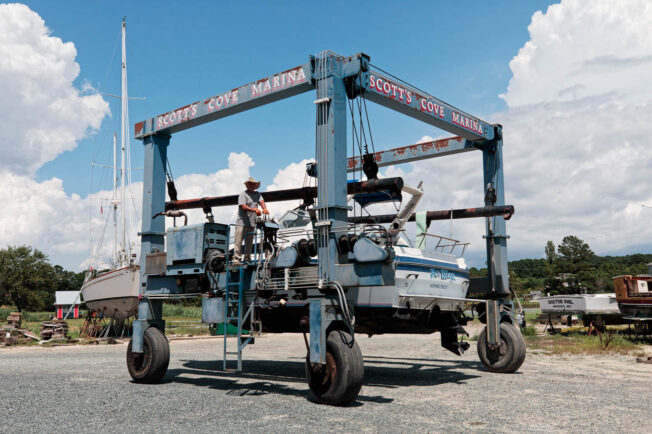
Conduct Boat Maintenance on the Land
When doing maintenance work on your boat, make sure to stay on land instead of at the dock or in the water. If work is done off land, take precautions to keep waste from the water.
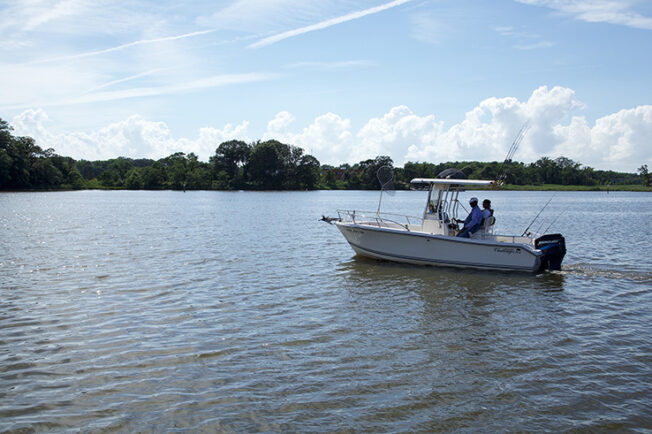
Reduce Sediment Pollution
Try to avoid using your boat in very shallow waters, where it can stir up sediment, harm sensitive habitats and put your propeller and hull at risk for damage.
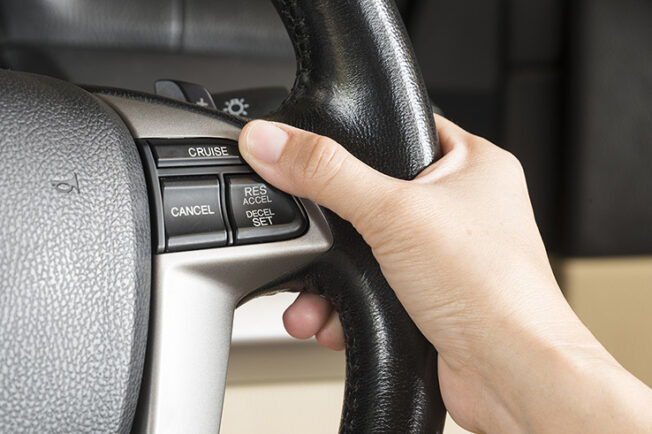
Use Cruise Control
Take advantage of your car's cruise control! This feature helps maintain a constant speed, which can reduce fuel consumption.
Recycle Scrap Tires
Most states ban tires from being disposed of at landfills, but you can take scrap tires to shops or retailers that will reuse, recycle or retread them.