
Horses and habitat thrive at Wyndham Oaks Farm
Nature is prioritized at a Montgomery County, Maryland horse boarding farm
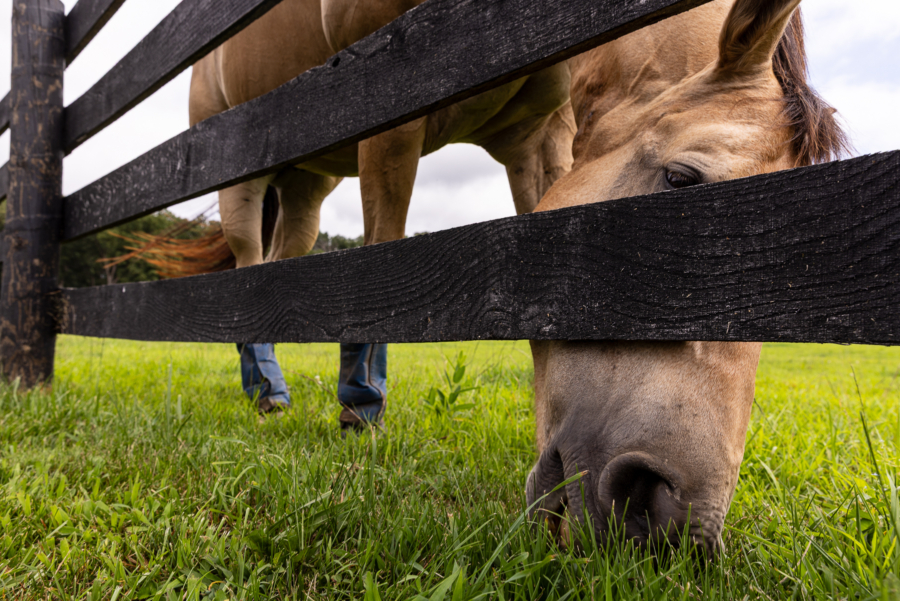
When Lori Larson purchased 55 acres of land in Montgomery County, Maryland that would become Wyndham Oaks II in 2020, it was difficult to imagine a farm that would support boarding horses while also protecting the ecosystem they lived on.
The land was sold to Larson as a soybean farm that had been severely neglected, causing sediment runoff to a creek in the Potomac River watershed. With a smaller property across the street, Wyndham Oaks I, Larson had experience with land management and quickly engaged the Montgomery County Soil Conservation District for support.
Larson had the mindset of, “if we’re going to do it, we’re going to do it right,” when it came to initial plans for the land. With help from her team, Larson started by replacing the farmland with grazing pasture for the horses and fencing off the streams so the horses couldn’t get in them. She then introduced a rotational grazing system to the farm which helps to reduce erosion and improve the soil quality.
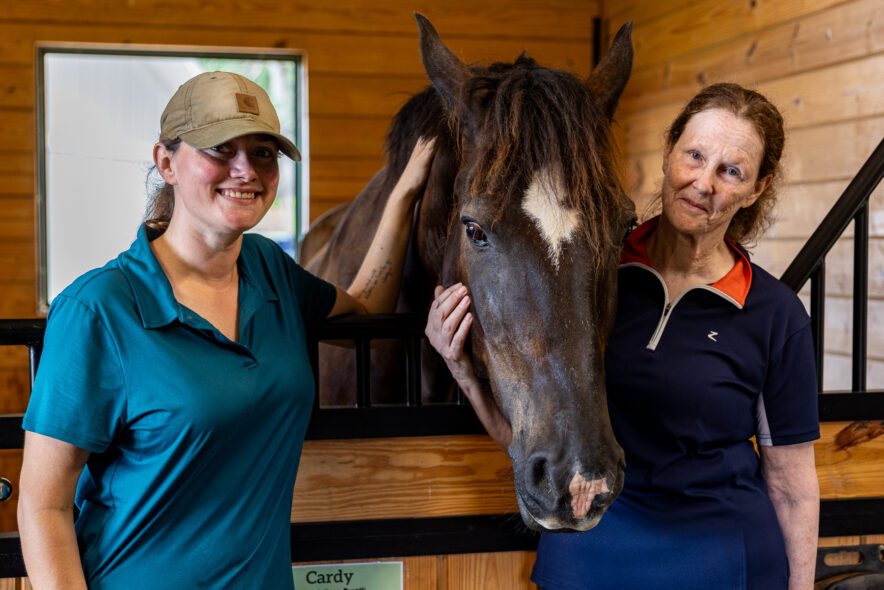
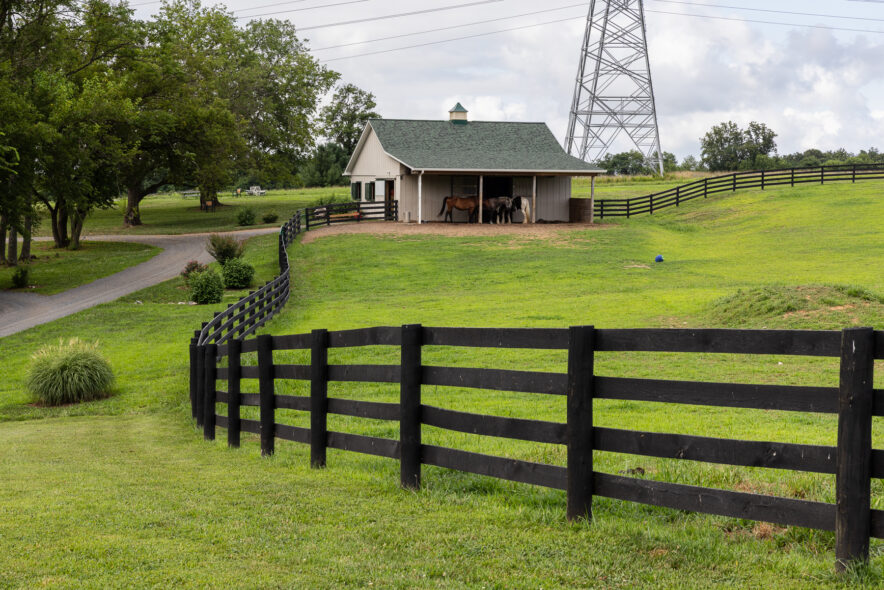
Early on, Larson also installed a drainage system throughout the property that collects rainwater and disperses it in a way that limits runoff and erosion. Although the cost of pipes can deter land owners from building a drainage system that will conserve their land, Larson prefers to look at it from a 20-year perspective.
“You fully understand the damage that unmanaged water can do; both to your land and as it runs off elsewhere,” Larson said. “You’ll get your money back if you’re patient.”
The barns were also intentionally built for each horse to have their own stall so that they could be comfortably brought in when it rains, which helps keep the pasture from getting ripped up.
Larson’s dedication to ensuring the layout of the farm would be environmentally sustainable was no easy task. The first six months of owning the land consisted of walking every foot of the 55 acres repeatedly, and it took her team 15 tries before finalizing the blueprints. “It’s like making a friend. You have to get to know their idiosyncrasies and you have to get to know what characteristics they have,” Larson said.
The farm has been able to manage the runoff of silt, and it no longer piles up the way that it did when Larson first purchased the land. Observable differences like this lets the crew know that they’re doing their part to restore the land.
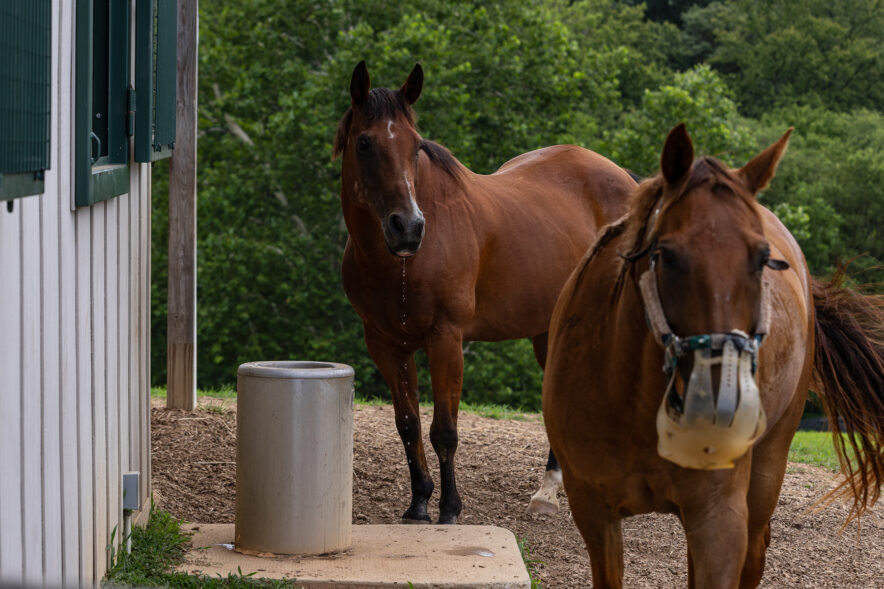
The staff at Wyndham Oaks II regularly tests the nutrient levels of the farm and are in the middle of a 10-year nutrient management plan led by the general manager Laura Grout. As the horses graze the pasture, their manure serves as a natural fertilizer, which Grout makes sure to spread evenly. Each field on the farm is measured and managed separately as they each have their own needs, and the team saw an improvement in the soil health within the first year.
“When you do the right things, you get a quick reward,” Larson said.
It is these practices that earned Larson the Maryland Association of Soil Conservation Districts’ Outstanding Cooperator of the Year in 2023. Larson thinks the land speaks for itself in implying a commitment to taking the best care that they can of the property.
“Protecting this precious resource, which is the land, is just part of my core," Larson said. "The truth is, these fields and this land is our livelihood…at the end of the day, it is our most precious resource.”
Comments
There are no comments.
Thank you!
Your comment has been received. Before it can be published, the comment will be reviewed by our team to ensure it adheres with our rules of engagement.
Back to recent stories