
How four native carnivorous plants devour their prey
No bug is safe around these native plants
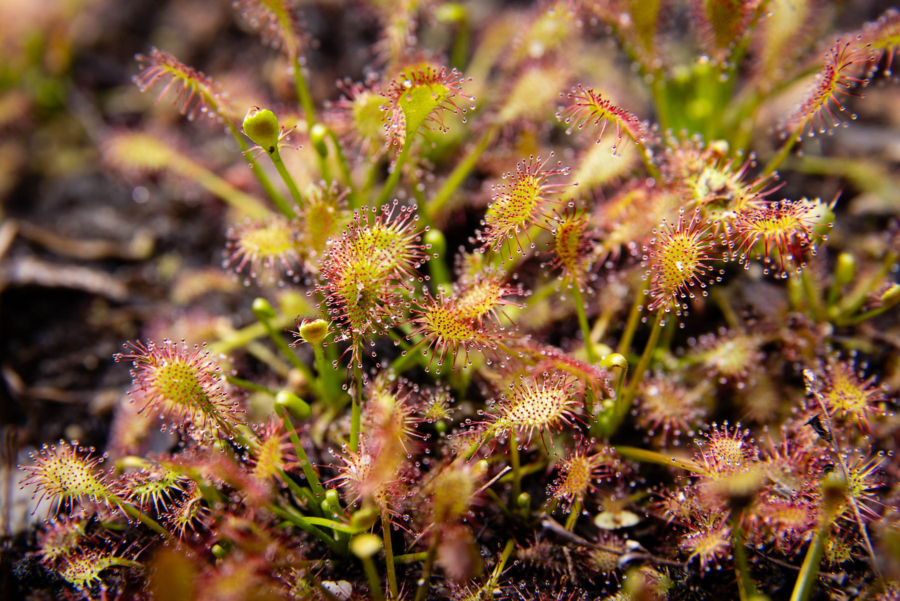
We often think of plants as benign members of the ecosystem with pretty colors and pleasant scents. But for a handful of carnivorous plants native to the Chesapeake region, their hunting tactics are as sinister as venomous snakes and body snatching parasites. To survive in waterlogged areas where nutrients are hard to come back, these four plants developed ingenious (and brutal) ways to lure, catch and consume their insect prey.
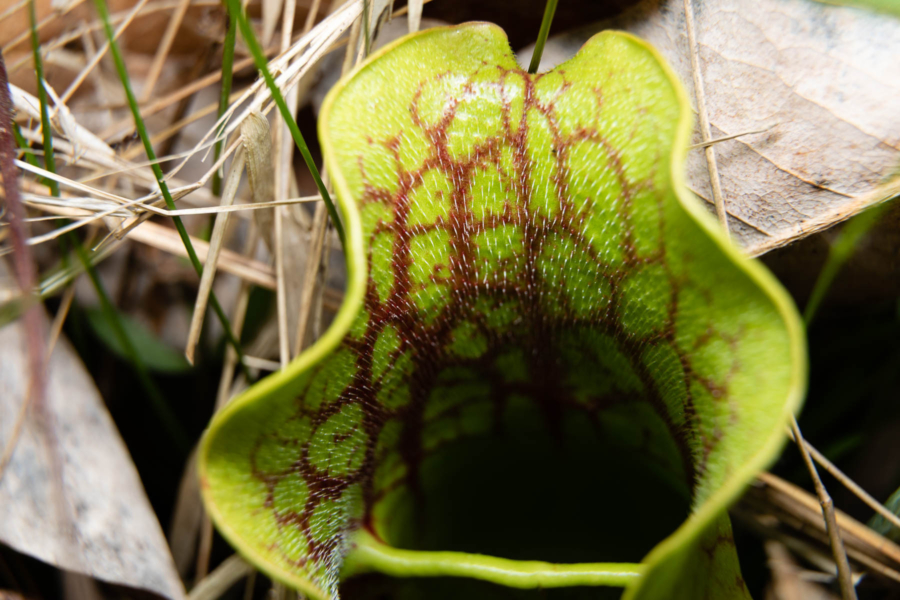
Purple pitcher plant delivers death by drowning
For flies, ants and spiders, the purple pitcher plant’s vibrant leaves are an enticing lure. But inside those pitcher-shaped leaves lies a deadly trap: a pool of rainwater framed by stiff, downward-pointing hairs that are designed to block any escape. Once trapped, drowned prey is broken down by digestive enzymes alongside a resident crew of bacteria and aquatic invertebrates. Yet for all its sinister drama, the trap is surprisingly ineffective—only about one percent of visiting insects actually meet their doom.
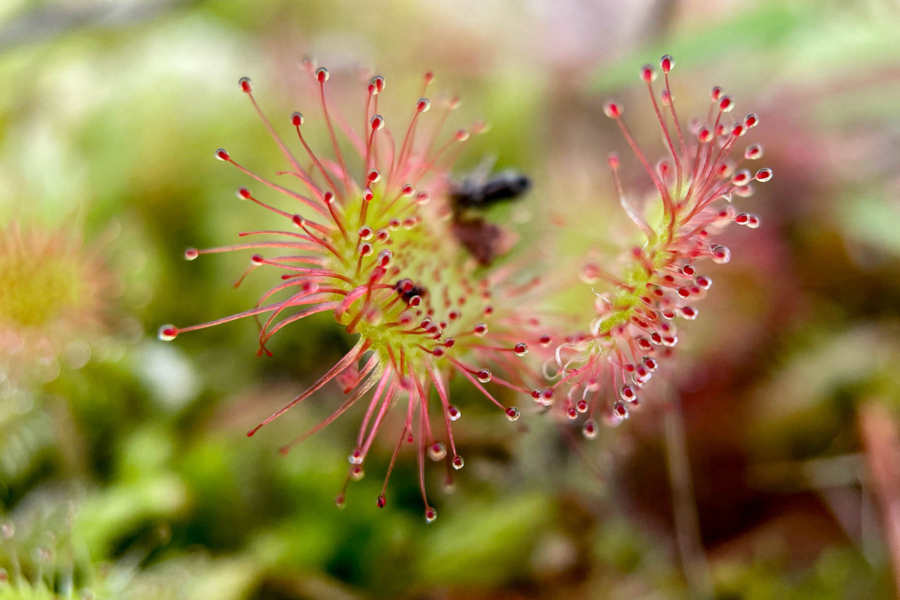
Sundews make sure insects “stick” the landing
Found on every continent on earth besides Antarctica, sundews are notorious for their sticky tentacles that ensnare passing insects. In the Chesapeake region, the native spoon-leaved sundew inhabits wetlands and shallow bogs. The plant detects motion and curls its leaves inward after trapping prey. Exhausted insects are stuck in place, digested by plant enzymes and absorbed for vital nutrients.
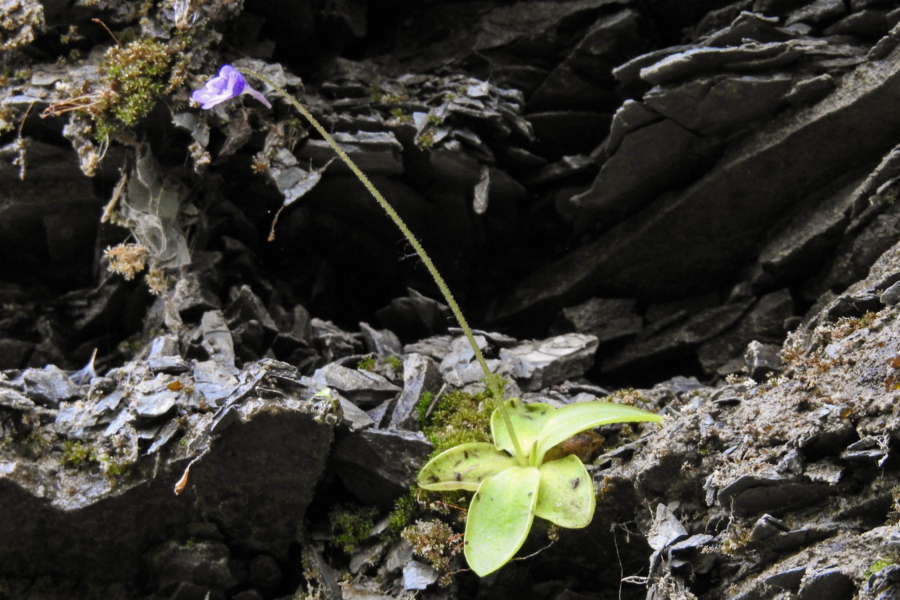
Escape from the butterwort is futile
Similar to sundews, butterworts have flat leaves coated in sticky glands that trap crawling or flying insects. Once prey is caught, a second set of glands releases digestive enzymes to absorb nutrients straight through the leaf. In the Chesapeake region, native butterworts can easily pass for a common household succulent—until you look closely and spot the remains of tiny insects clinging to their green leaves.
Bladderwort sucks up prey in the blink of an eye
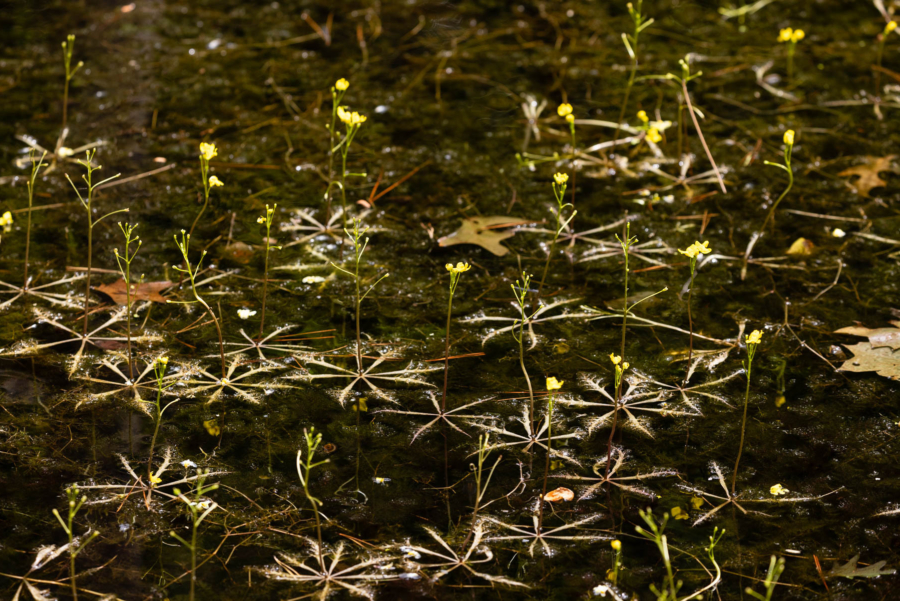
Above water, the bladderwort boasts small flowers that come in white, yellow or pink. But below the surface, the plant’s stems and branches are lined in tiny sacs or “bladders” that suck up larvae, zooplankton, aquatic worms and other small invertebrates in milliseconds. Once inside the airtight sacs, prey are broken down by enzymes and other microorganisms.
Though relatively lethal, carnivorous plants still play a useful role in the food web and enrich the overall ecosystem. Have you seen any of these plants in the wild? Let us know in the comments!
Comments
There are no comments.
Thank you!
Your comment has been received. Before it can be published, the comment will be reviewed by our team to ensure it adheres with our rules of engagement.
Back to recent stories