
What goes down the drain matters
Your small actions at home can help prevent sewage spills--and protect the Bay
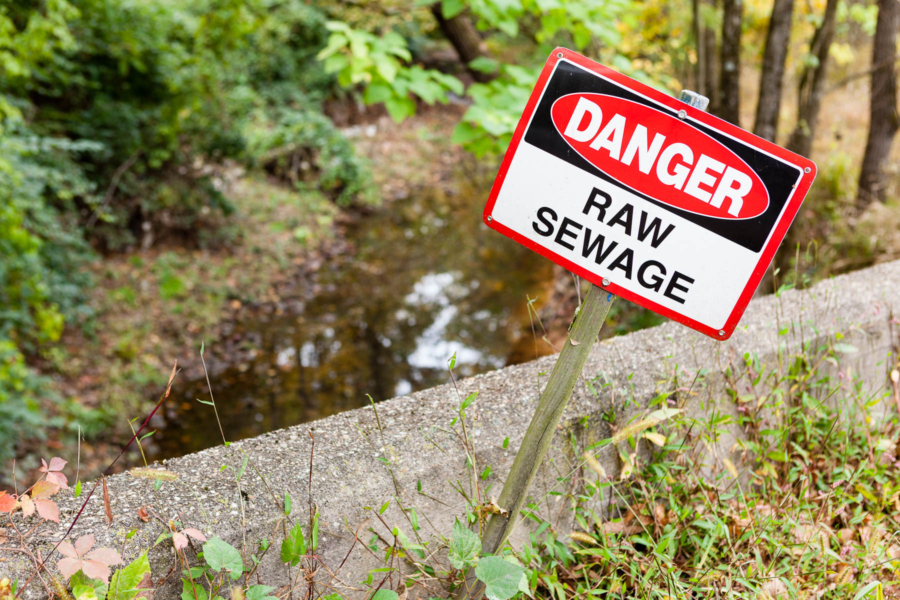
When we pour food waste down the drain, flush items down the toilet and toss items onto the streets, we may not be considering their long-term effects on the environment. The fact is, when not disposed of properly, these items can cause sewage backup and spills, making their way into rivers and eventually the Bay.
For most people, once the dishes are clean or the toilet is flushed, wastewater is out of sight and out of mind. Unfortunately, most people will not think about where that wastewater ends up until a catastrophic pipe break or spill.
Networks of water and sewer lines below ground work constantly to treat billions of gallons of wastewater across the Chesapeake region every day. When waste is improperly disposed of, it can cause clogged pipes to leak or break, spilling into waterways, damaging wildlife habitats, degrading water quality and impacting the economy for expensive clean up and maintenance efforts, and loss of jobs and recreational opportunities
The good news? You can take steps yourself to help prevent sewage spills—its just a matter of knowing the correct way to dispose of different types of waste.
Key Prevention Measures
Flushable items
Flushing foreign items down the toilet is one of the main culprits for backing up sewer pipes. Human waste and toilet paper should be the only sewage getting flushed, while items such as wipes, diapers or personal hygiene products should be thrown in the garbage for disposal. Even when some products are labeled as flushable, it's better to be safe than sorry!
Properly dispose of grease
It can seem easy to simply pour grease down the kitchen sink after cooking a meal, but it won’t seem so easy when it gets into the waterways and contaminates your drinking water! Pouring grease down the drain can lead to severe plumbing problems in your home and within city pipes. To properly dispose of grease, let it cool and pour it into a non-recyclable container like a tin can or empty milk carton, and throw it away in the regular garbage.

Use sink and shower drain strainers
While it seems like it would be no big deal for a few strands of hair to flow down your shower drain or to push a few small scraps of food down your kitchen sink when rinsing off your plate, just remember that everyone else is probably thinking the same way. Buying a strainer for your drains is a cheap and easy way to protect your pipes and your local waterways. As any debris collects in the strainer, it can be thrown away into the trash. Better yet, food scraps can be moved to a compost pile!
Taking a few extra seconds to toss wipes in the trash, properly dispose of grease or use a simple drain strainer does much more than simply preventing a clog. Proper sewage disposal protects wildlife habitat, safeguards drinking water and reduces costly cleanup efforts in our communities. And saves you money by not having to call a plumber!
To learn other tips & tricks for how to make small changes to protect the Bay in a big way, click here.
Comments
Thank you - careful actions by individuals are important, but not as important as the big gorilla in the room.-- Collective government responsibility to regulate/manage sewage treatment and raise enough revenue to properly upgrade and maintain sewage pipes and treatment.
Thank you!
Your comment has been received. Before it can be published, the comment will be reviewed by our team to ensure it adheres with our rules of engagement.
Back to recent stories