
Improving stream restoration outcomes across the Chesapeake Bay watershed
The Chesapeake Bay Program’s Science and Technical Advisory Committee comes together to improve stream restoration outcomes
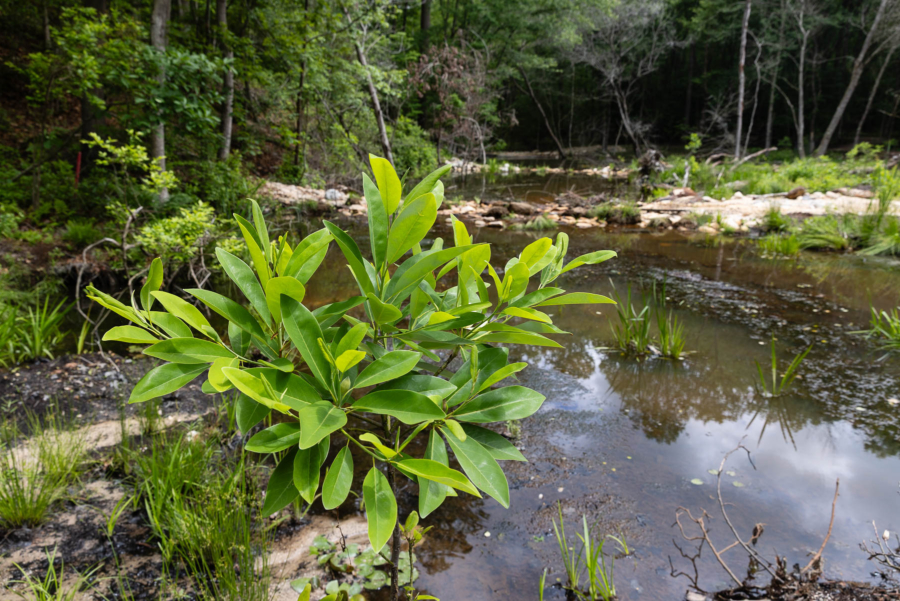
Healthy streams play a big role in protecting the Chesapeake Bay, helping reduce pollution like nitrogen, phosphorus and sediment before it reaches rivers and the Bay. While healthy streams are important for a healthy Bay, restoring them isn’t always simple. In some cases, projects can temporarily disrupt stream life, which has led to debate about how and where restoration should happen.
Because stream health played a role in several outcomes in the 2014 Chesapeake Bay Watershed Agreement and continues to be reflected in the revised Watershed Agreement, the Chesapeake Bay Program’s Science and Technical Advisory Committee (STAC) brought together scientists, planners and restoration experts for a workshop earlier this year. Their goal was to better understand what makes stream restoration successful and how future projects can be improved.
This group of experts identified opportunities to better align and clarify current stream restoration goals and expectations. By improving how stream restoration is planned and measured, projects can deliver better results for both local streams and in turn, the Bay as a whole. The workshop led to several key findings and recommendations.
Key findings from the workshop
Set clear goals
Many stream restoration projects are designed with broad or multiple goals, which can make it hard to tell whether a project was truly successful. The workshop recommended clearly defining the main goal(s) from the start to better align process and monitoring, especially when the intended outcome is improvement(s) in ecosystem function, such as cleaner water or a restored habitat. For example, if the goal is to improve habitat for fish or insects, those outcomes should be clearly stated so projects can be designed to achieve them.
Focus on ecological benefits
Most restoration projects in the Chesapeake Bay watershed focus on reducing nitrogen, phosphorus and sediment in order to meet the goals of the Chesapeake Bay Total Maximum Daily Load (Bay TMDL), but also provide co-benefits, such as improving the stream’s natural functions, supporting wildlife or maintaining healthy flow patterns. Oftentimes, funding is not prioritized for projects that only seek to improve local stream ecosystems, even though these actions can provide long-term benefits both upstream and downstream.
Avoid causing harm
Projects should focus on the most damaged streams to avoid disturbing healthier ones. Restoring heavily degraded areas may improve nearby waterways and reduce the need to disturb high-quality stream corridors.
Address regulatory challenges
Federal floodplain regulations, especially those tied to flood insurance, can limit restoration efforts. Rules from the Federal Emergency Management Agency (FEMA) often discourage changes that would allow floodplains to hold more water naturally. Updating these regulations could help restoration projects reduce flooding, improve water quality and restore more natural stream systems.
Measure success in multiple ways
Measuring success in more than one way is critical towards understanding all of the indicators of a healthier stream. The workshop recommended looking at several indicators, including fish and insect populations, streamside vegetation, natural stream processes and even how people use and enjoy restored streams. Using multiple measures provides a fuller picture of stream health.
Understand what’s harming the stream
Before restoring a stream, it’s important to understand what’s causing the damage, whether it’s polluted runoff, erosion or loss of vegetation. Knowing the causes from their roots helps planners choose the right solutions and avoid unnecessary or harmful actions.
Find the right balance
Streams naturally change over time, shifting their channels and floodplains. More research is needed to understand how much change is healthy and when intervention is needed. Finding this balance can help create streams that are stable, resilient and supportive of wildlife.
Looking Ahead
Stream restoration is a powerful tool for cleaning up the Chesapeake Bay and protecting local communities, but true success means more than stopping erosion. Creating streams where wildlife can thrive and people can enjoy healthy, living waterways should be the end goal of stream restoration.
With clearer goals, better planning and stronger monitoring, stream restoration can better serve the Bay and the many communities connected to its streams. To learn more, read the full STAC Workshop Report on stream restoration outcomes.
Comments
There are no comments.
Thank you!
Your comment has been received. Before it can be published, the comment will be reviewed by our team to ensure it adheres with our rules of engagement.
Back to recent stories