
Old chemicals and new concerns
Toxic contaminants persist in the Bay, but so do the efforts of the Bay Program to understand and reduce them
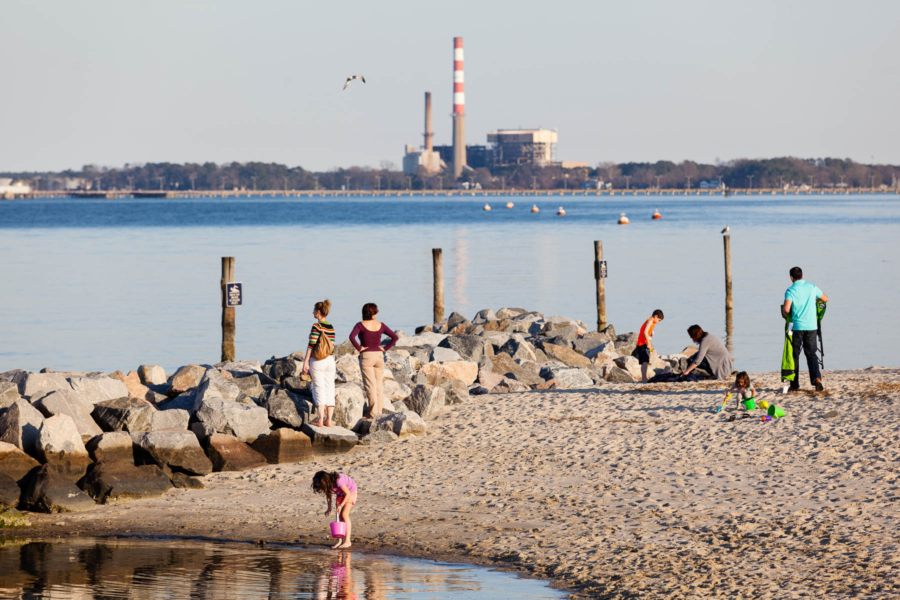
While nitrogen, phosphorus and sediment are the pollutants most often linked to the Chesapeake Bay’s water quality—largely because of their connection to the Chesapeake Bay Total Maximum Daily Load —the Chesapeake Bay Program also works to reduce toxic contaminants.
In the 2014 Chesapeake Bay Watershed Agreement, the partnership established the Toxic Contaminants Policy and Prevention Outcome, with a focus on continually improving practices and controls so toxic contaminants are reduced to levels that no longer harm people or aquatic life. The Chesapeake Bay Program tracks two main classes of contaminants—metals and organic chemicals—to assess progress toward this outcome.
Mercury is the most common metal pollutant found in the watershed, but others include aluminum, chromium and iron. Organic chemicals found throughout the region include:
- Polychlorinated biphenyls (PCBs): These chemicals accumulate in fish tissues and are the main reason local fish consumption advisories are issued.
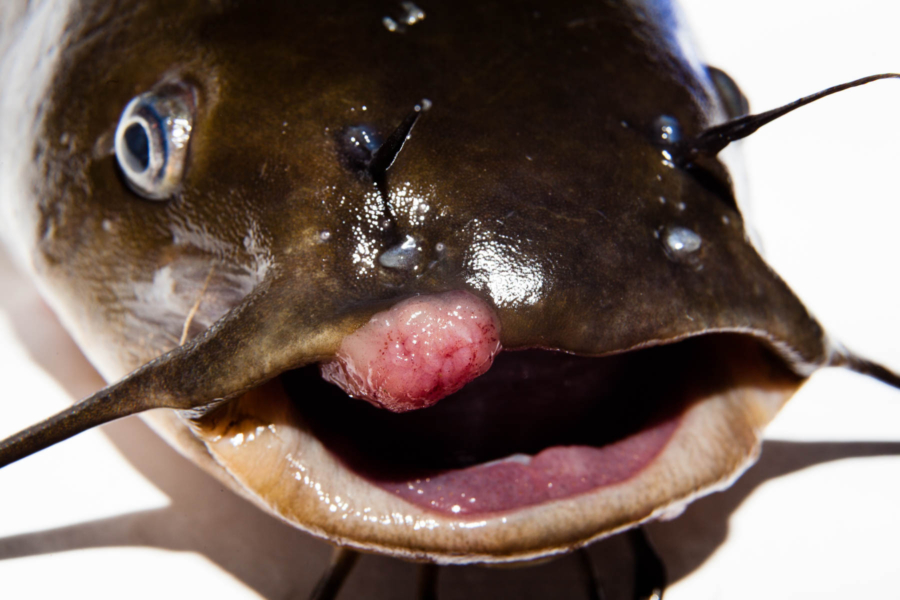
- Polycyclic aromatic hydrocarbons (PAHs): These chemicals are often linked to tumors in fish found in local waterways.
- Pesticides: When used improperly or overapplied, these chemicals have led to fish kills and increased nitrogen pollution in local waterways and the Bay.
- Per- and polyfluoroalkyl substances (PFAS): These chemicals are linked to many similar health impacts in animals and humans, including lowered reproductive success, tumors, cancer, and liver and thyroid problems.
- Unknown and emerging toxic contaminants.
The Chesapeake Bay Program assesses progress toward this outcome with data from the Environmental Protection Agency (EPA)’s 303(d) List of Impaired Waters. Every two years, the states and the District of Columbia report their impaired waterways to EPA using a variety of data points.
The most recent data, from 2024, show that 80% of tidal waters in Delaware, Maryland, Virginia and the District of Columbia are impaired or partially impaired by toxic contaminants. In comparison, about 66% of tidal waters were listed as impaired in 2006. Between 2014 and 2024, this percentage has fluctuated between 78% and 82%.
Experts divide the tidal Chesapeake into 92 segments, in order to better understand Bay water quality at a finer scale. While PCBs continue to be the most widespread contaminant of concern, found in 91% of Bay segments found to be impaired or partially impaired, in 2024, five segments had improved their PCB concentrations enough to be delisted.
There are several suggestions as to why these contaminants persist. Some, like PCBs, are widespread, expensive to clean up and come from many sources, meaning that different management strategies, which may not be known yet, are needed. PCBs have been found in materials such as paint and fluorescent light ballasts in older school buildings, meaning additional research is still needed to fully understand where they remain and how to best clean them up.
Over the last two decades, PFAS has become a widespread concern. In 2020, some Bay jurisdictions reported PFAS data for the first time, and by 2024, many had increased their monitoring and reporting of PFAS, providing the partnership with a greater picture of where these contaminants exist throughout the watershed.
Efforts to advance the Toxic Contaminants Policy and Prevention Outcome have identified and built upon existing PCB reduction programs across the watershed, while researching the potential impact of implementing additional policies, programs and practices to reduce other contaminants. Since 2014, the Toxics Contaminants Workgroup has established and strengthened regional collaboration on PCB reduction, supported research on contaminants in places like agricultural lands and helped jurisdictions explore different approaches for removing PCBs.
The revised Chesapeake Bay Watershed Agreement, approved by the Chesapeake Executive Council in December 2025, includes an updated Toxic and Emerging Contaminants Outcome. This revised outcome emphasizes the Bay Program’s role as a convener—bringing together scientific and technical experts to share information, close knowledge gaps, and improve understanding of how toxic contaminants affect the watershed and what mitigation options exist.
You can also help limit the toxic contaminants that end up in the Chesapeake Bay and in the waters of your community. Use natural herbicides and toxic-free paints, properly clean up pesticide spills and safely dispose of mercury-free thermometers. Check out additional tips and tricks for helping to protect the Chesapeake Bay!
Comments
There are no comments.
Thank you!
Your comment has been received. Before it can be published, the comment will be reviewed by our team to ensure it adheres with our rules of engagement.
Back to recent stories