
Oyster farmers sell surplus oysters for Bay restoration
Partners are ensuring there’s always a market for oysters in the Chesapeake
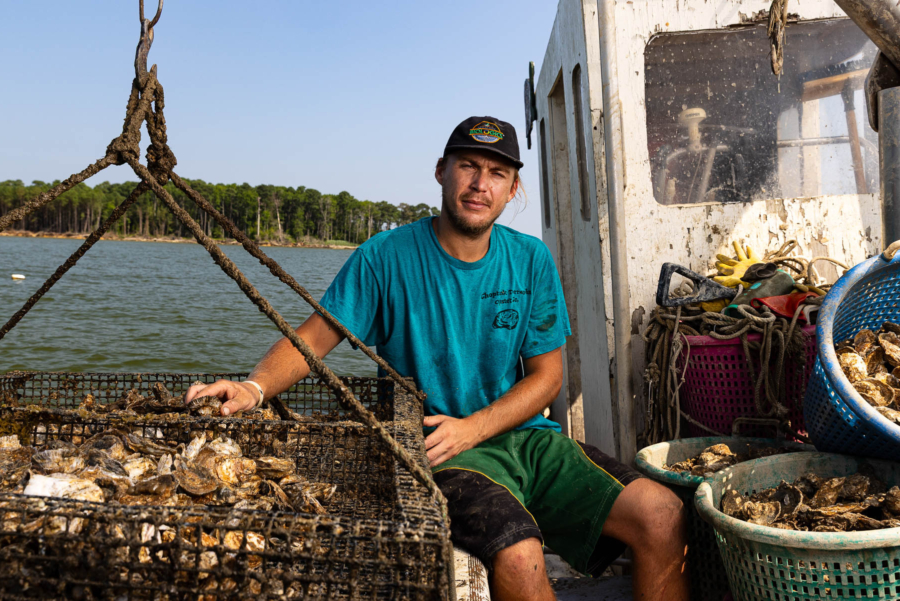
From a boat launch off Crab Alley Bay in Chester, Maryland, Jerry Sturmer drops off bushels of oysters grown in cages at his Choptank River farm.
As the owner of Choptank Terrapin Oyster Co., Sturmer typically sells his oysters to restaurants on Saint Michaels and Tilghman Island—a style of oyster he says is the perfect middle ground between sweet and salty. But today, he’s offering oysters that have become too large for the seafood market to a restoration effort on the Chesapeake Bay.
“I brought 30 bushels of giant triploid oysters covered with wild diploid spat,” Sturmer said, explaining how the sterile triploid oysters frequently grown for aquaculture can support wild, naturally reproducing juvenile oysters.
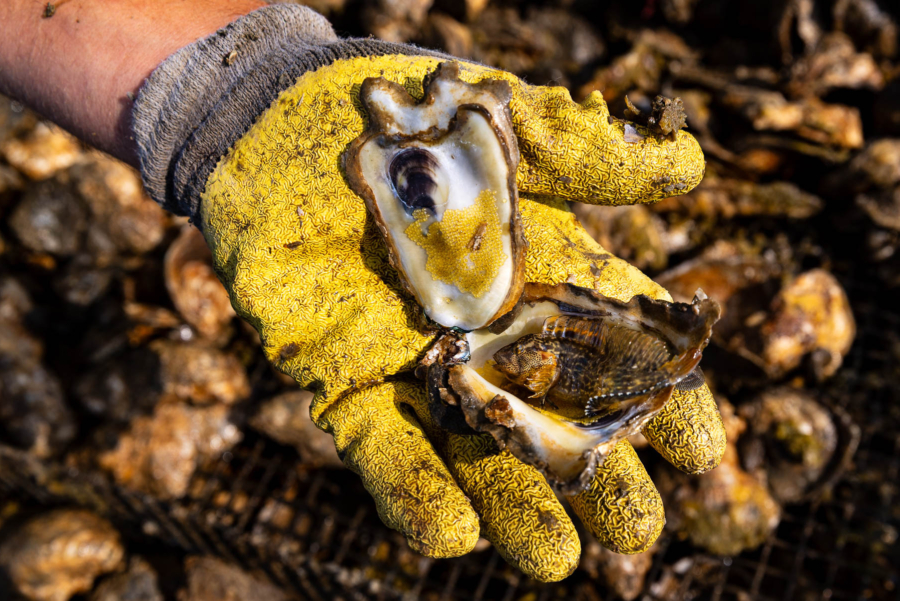

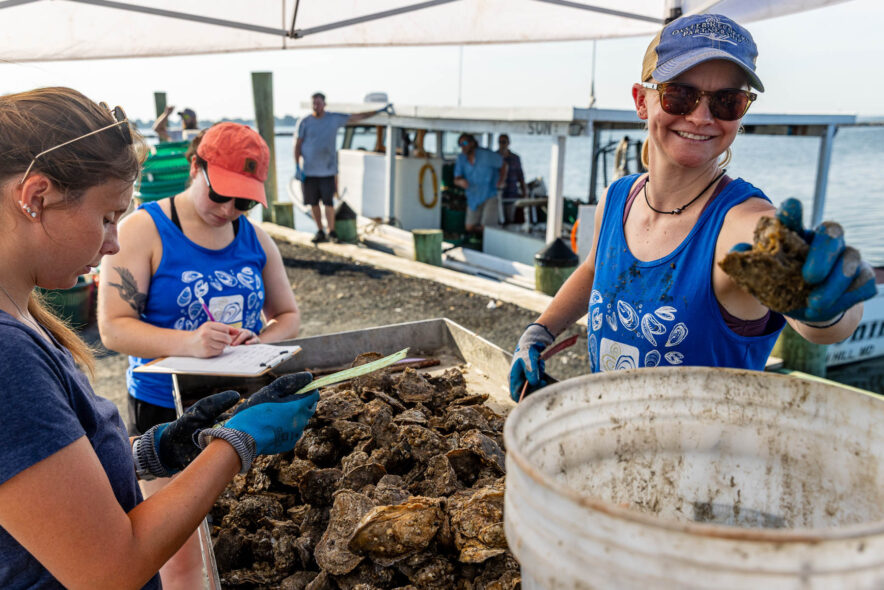
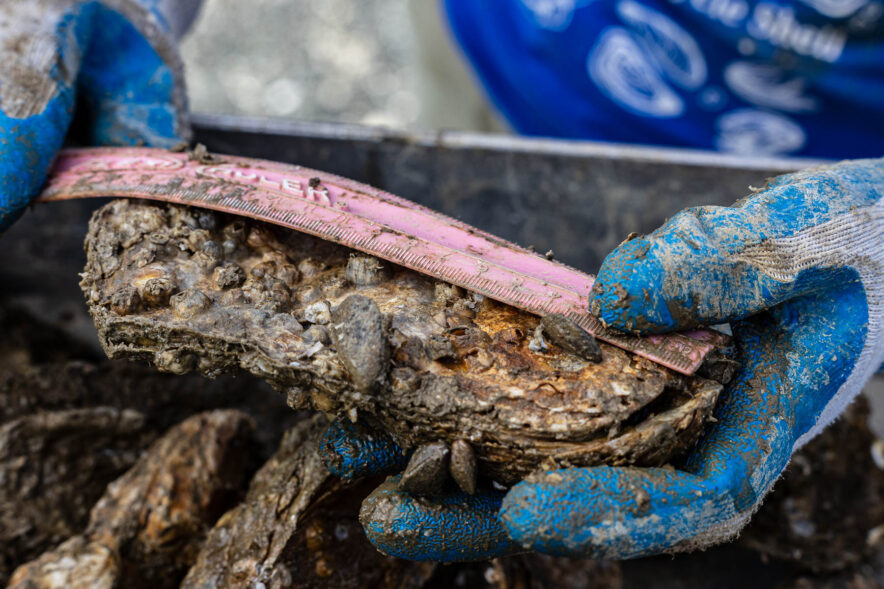
On a hot summer morning, Sturmer participated in The Nature Conservancy's Supporting Oyster Aquaculture and Restoration (SOAR) program, which purchases oysters that are too big for market standards (typically over three inches) and plants them in target locations on the Chesapeake Bay.
“It's making use of a product that might not have much of a use otherwise,” said David King, director of operations with Oyster Recovery Partnership, a partner in this effort.
TNC held two oyster plantings in June of 2025, one on the Eastern Bay with support from the Oyster Recovery Partnership (ORP), and another a few days later on the St. Mary’s River. Alongside two other farmers, Sturmer attended the Eastern Bay outing, where partners deployed over 67,000 oysters onto a 900-plus acre sanctuary established by the Maryland Department of Natural Resources (Maryland DNR).
According to TNC, the global nonprofit partnered with Maryland DNR and other local groups to pick these two sanctuaries based on the needs of the existing oyster population. They worked with six oyster farmers in total and planted roughly 92,969 oysters during their two June plantings.
As filter feeders, oysters remove sediment and organic material from the water, making it cleaner for other wildlife. The reefs that oysters form are also important habitat for smaller fisher, and slow down wave energy which decreases shoreline erosion.
Centuries ago, the Chesapeake Bay was replete with oysters, but lost a significant amount of the population due to overfishing, disease and poor water quality.
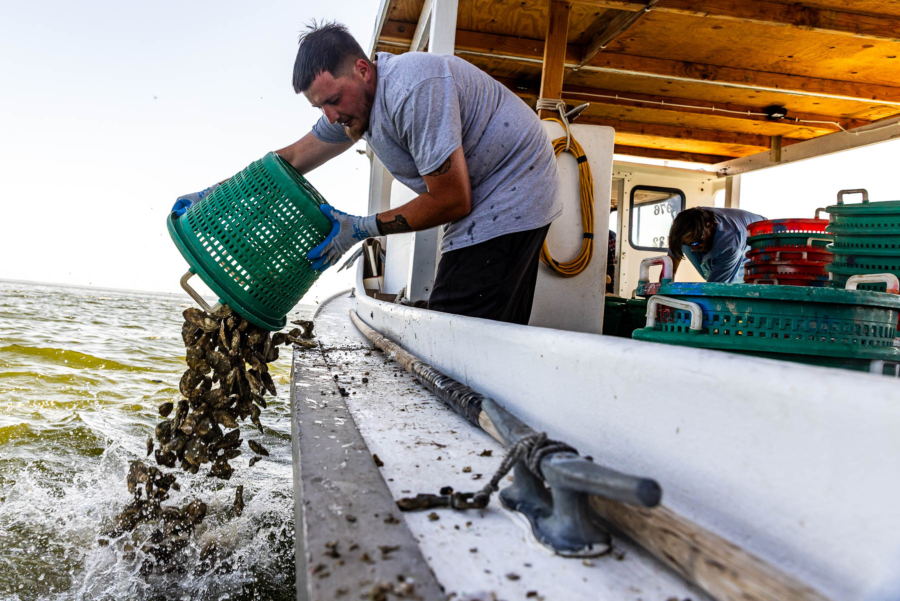
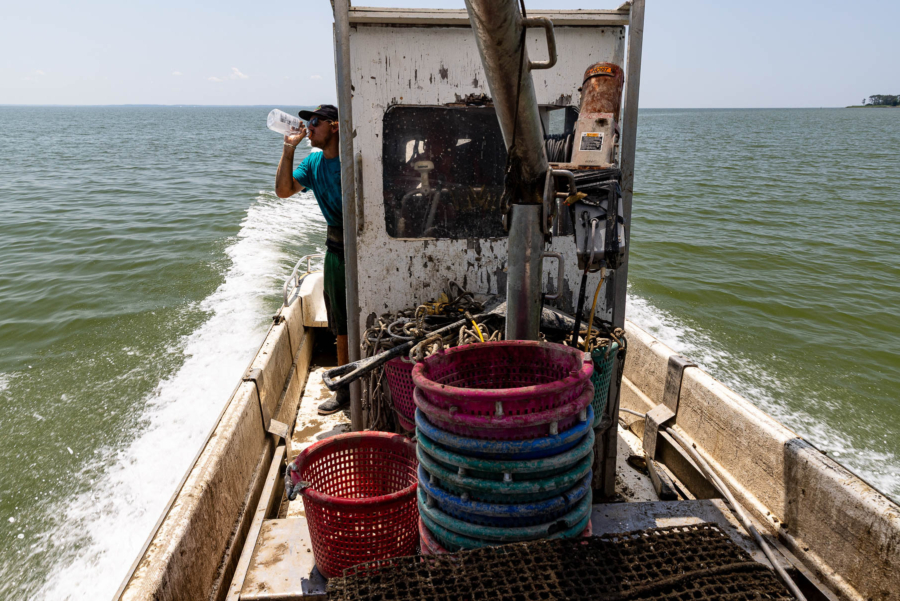
The Oyster Recovery Partnership is one of many organizations dedicated to the revival of oysters in the Bay. Their work includes constructing reefs, planting new oysters, and supporting people who make their living off growing or harvesting oysters.
“At ORP we have this dual mission to support the oyster industry—so aquaculture, waterman, commercial fishing—and then also support the ecological value of oyster restoration,” said Olivia Carettie, Coastal Restoration Program Manager at ORP.
The SOAR program was developed in 2020 to support farmers unable to sell their oysters during the COVID pandemic, and has operated every year since except for 2022. According to TNC, the program has planted roughly 1.5 oysters to date, adding healthy adult oysters to the water while giving farmers a market for their product.
Oyster farming, or oyster aquaculture, is the process of growing oysters in floating cages in the water, as opposed to harvesting wild oysters from the bottom of the Bay. It is a demanding job that requires farmers to be constantly moving cages and tending to the fast-growing bivalves.
“These bad boys are always growing,” Sturmer said. “An oyster that might be a half-inch one month, in a few months from then could be an inch. It could even be two inches.”
Growers like Sturmer get into oyster aquaculture in part because of the positive impact that oysters have on the environment. The SOAR program creates a win-win for restoration groups and growers who end up with oysters that are too large for the seafood market and would otherwise go to waste.
“Opportunities like this working with the Nature Conservancy are awesome because I'm able to do what is best for the oyster,” Sturmer said. “Putting them back into the sanctuary where they'll be able to filter as much water as possible.”
Comments
This is the time! Such hard work for amazing return! Thanks to all the farmers and workers who make this happen. I am encouraged!
Thank you!
Your comment has been received. Before it can be published, the comment will be reviewed by our team to ensure it adheres with our rules of engagement.
Back to recent stories