
Protecting local waterways starts at home—and these programs are here to help
Many nonprofits, and state and local government agencies offer financial and technical assistance for stormwater projects
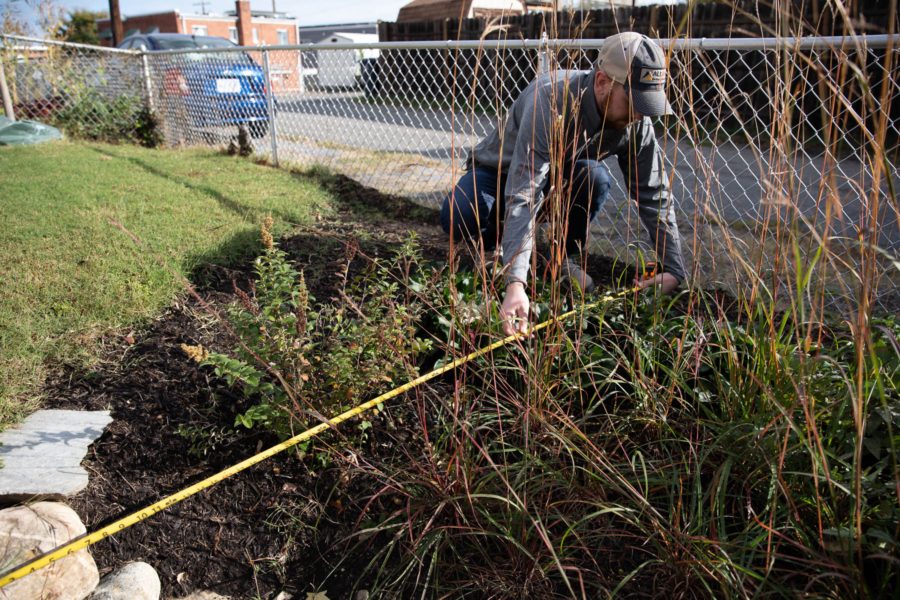
Stormwater runoff from roads, rooftops and parking lots can negatively impact your local rivers and streams. But the solutions to runoff like rain barrels, rain gardens and trees can be costly.
To help combat this problem, many nonprofits, and state and local governments are providing financial and technical support for landowners to address stormwater concerns. Taking advantage of these programs can not only help you protect local waterways, but also beautify your yard and address poor drainage and flooding issues. All without breaking the bank! .
Take a look at some of the different programs available across the Bay watershed.
Install stormwater-friendly infrastructure on your property
District of Columbia Department of Energy and Environment’s (DC DOEE) Riversmart HomesThe Riversmart Homes program is available to property owners in Washington, DC. This program focuses on mitigating stormwater runoff by installing a variety of stormwater reduction features on properties throughout the city at a reduced cost to the homeowner. DC DOEE installs about 1,500 features each year to reduce stormwater runoff and has installed more than 20,000 features since the program started in 2009. The main features installed on properties include rain barrels, shade tree plantings, rain gardens, BayScaping, permeable pavers and re-vegetation. Riversmart homes is funded by the U.S. Environmental Protection Agency’s Chesapeake Bay Implementation Grant. A similar program, RiverSmart Communities, is available for nonprofits and houses of worship to install stormwater management practices.
Virginia Conservation Assistance Program
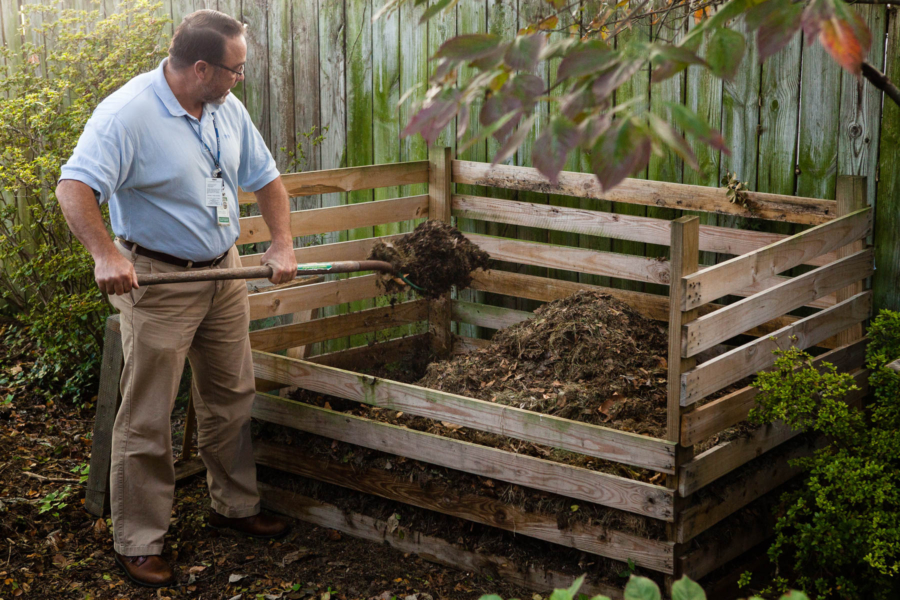
The Virginia Conservation Assistance Program is administered by local soil and water conservation districts. The program is focused on improving water quality and specifically seeks to fix issues related to erosion, poorly vegetated cover and excess runoff. The program requires an application and sometimes a site visit to determine eligibility and to identify which practice(s) would best address the problem(s) for that property. Homeowners need to pay for the upfront cost for the project and will be reimbursed after a soil and water conservation district representative verifies the practice was installed correctly. The homeowner is responsible for maintaining the practice, and soil and water conservation district staff may periodically inspect the practice to make sure it is being maintained.
Delaware Community Conservation Assistance Program
The Delaware Community Conservation Assistance Program (DeCAP) is a cost-share program for homeowners interested in installing pollution reducing practices known as best management practices (BMPs) on their property. Eligible BMPs include conservation landscaping, constructed wetlands, rain gardens, rainwater harvesting, stormwater facility enhancements, tree planting, urban forest buffers and urban nutrient management. Homeowners need to apply for assistance and have their application marked as eligible. After that, a local conservation district staff member will visit the property to determine what BMPs will work best and the landowner can have a contractor create a design plan which will be approved by the DeCAP. The BMP must be maintained for at least five years.
Lynnhaven River NOW Pearl Yard Program
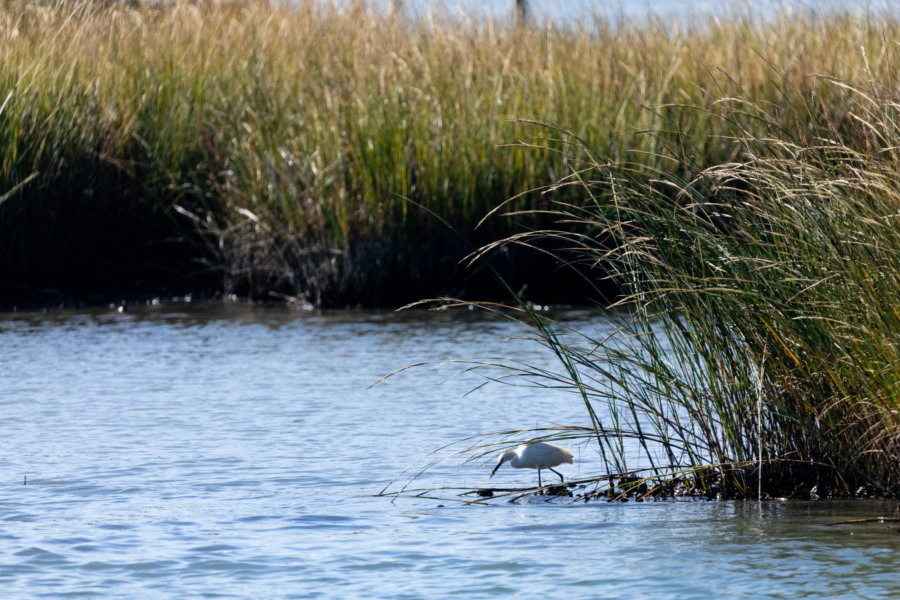
The Lynnhaven River NOW Pearl Yard Program is available to homeowners in Virginia’s Lynnhaven River watershed. This program focuses on installing stormwater management practices at a reduced cost to the homeowner. The practices provided include rain barrels, rain gardens, infiltration trenches and conservation landscapes. Only one feature can be implemented on a property per contract. Lynnhaven River Now also offers recognition programs including the Pearl Faith program for religious institutions, Pearl Business for local businesses, Pearl Home for homeowners and Pearl School for schools providing outstanding environmental education.
Save money on your stormwater utility bill
Many cities and towns with a stormwater utility fee will provide a decrease in the fee to homeowners that install stormwater reduction infrastructure on their property. If there is not a stormwater fee, there might be a rebate or tax incentive for participating. The practices covered include things like rain barrels, cisterns, rain gardens, conservation landscaping, urban tree canopy, pavement removal, permeable pavement and green roofs.
A few programs in the Bay watershed include: City of Alexandria, Virginia Stormwater Utility Fee Residential Credit, Howard County, Maryland CleanScapes, Prince George’s County, Maryland Rain Check Rebate and Prince George’s County, Maryland Rain Check Rebate.
Receive free trees to plant
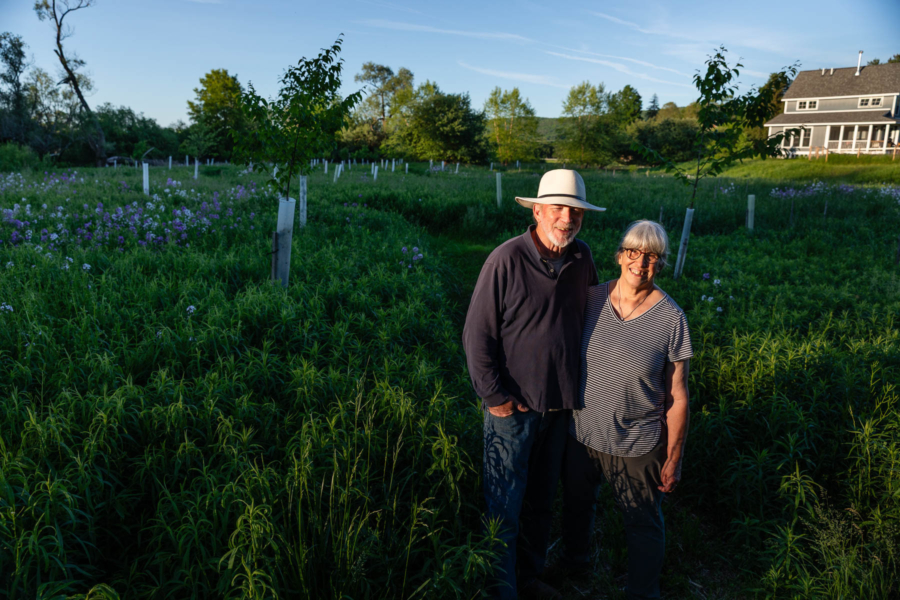
Planting trees is a great way to stabilize soil, reduce runoff and keep neighborhoods and waterways cool. Both the state of Maryland’s Backyard Buffers Program and New York’s Trees for Trib Program offer 20 to 30 tree and shrub seedlings per landowner to a select number of landowners each spring. Landowners must have property that is near a waterway to qualify for the buffers program.
Many cities also offer urban tree canopy programs to provide free or discounted trees to residents. Meanwhile, organizations like EcoAction Arlington, Fairfax ReLeaf and Blue Water Baltimore also provide free trees to residents.
Add a rain barrel to your home
Rain barrels reduce stormwater runoff by capturing rainwater from your roof. Homeowners often love rain barrels because they can reuse the rainwater to water their plants. Many communities in the Bay help homeowners setup their rainbarrels. The Pennsylvania Resource Council, Penn State Extension and the Lebanon County Conservation District offer classes to teach residents how to build rain barrels, while local governments such as the City of Clarksburg, West Virginia offer rebates for installing them.
Community-scale programs
There are even more programs for community-scale projects. If you don’t find something for private homeowners in your city, check with your local department of environment to see if there are any programs for multi-family properties, neighborhoods or Homeowners Associations, like the Montgomery County, Maryland RainScapes Rewards Rebate.
Finding the right program for your property
Be a leader in your community and show that your landscape is part of a bigger picture. When you’re ready to make changes to your property, reach out to your state’s environmental agencies, state extension program and your local conservation district to see if there are resources available to help improve your property.
Are there any other programs similar to these in your community? Let us know!
Comments
There are no comments.
Thank you!
Your comment has been received. Before it can be published, the comment will be reviewed by our team to ensure it adheres with our rules of engagement.
Back to recent stories