
Shenandoah County landowner turns a flooded farm field into a thriving wetland
Alliance for the Shenandoah Valley and other partners provide support along the way
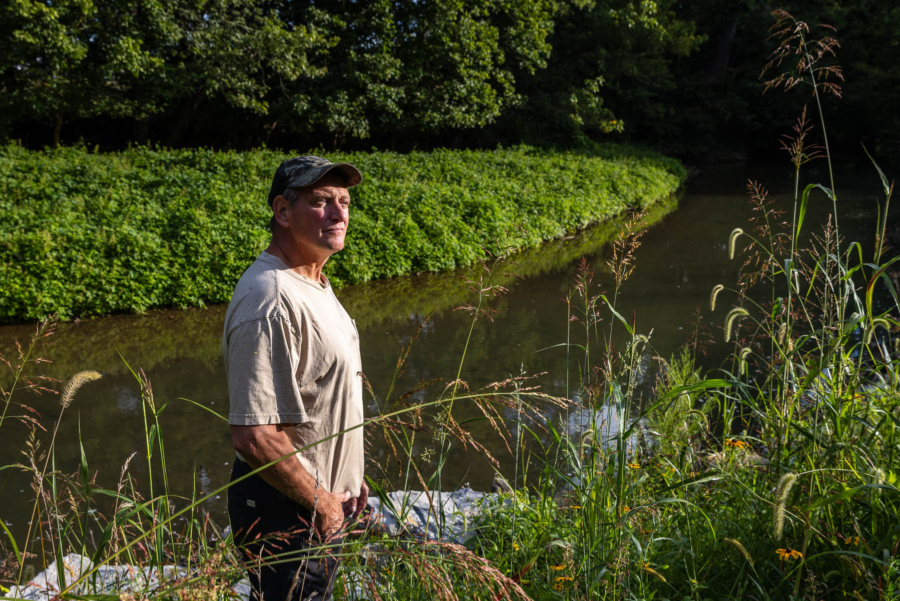
For years, Mike Dorman struggled to get the most out of a cornfield on his property in Shenandoah County, Virginia. Located on the banks of Smith Creek, a tributary of the Shenandoah River, the field regularly flooded, which made it difficult to grow anything.
“It laid so wet that you could only get out there certain times of the year,” Dorman said. “Your vehicle would get stuck.”
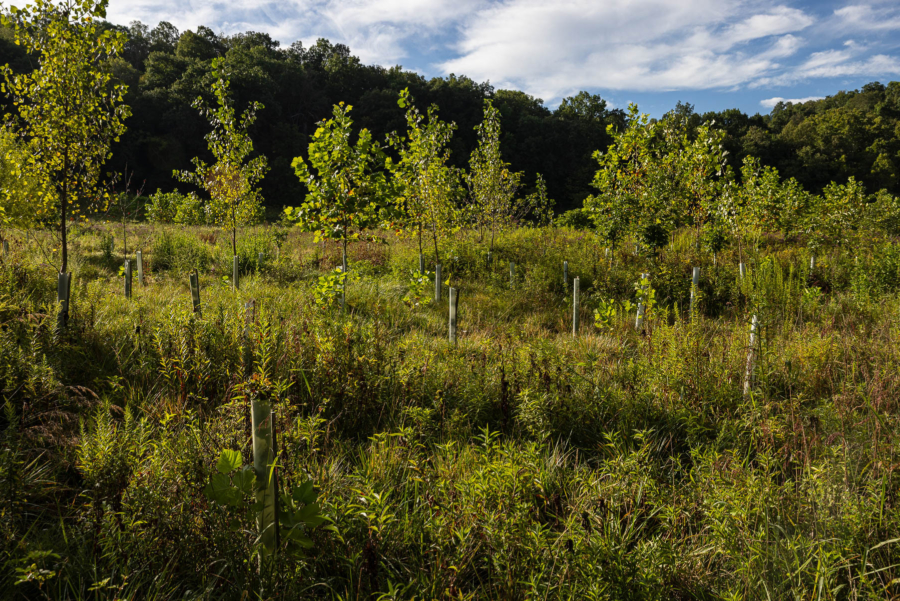
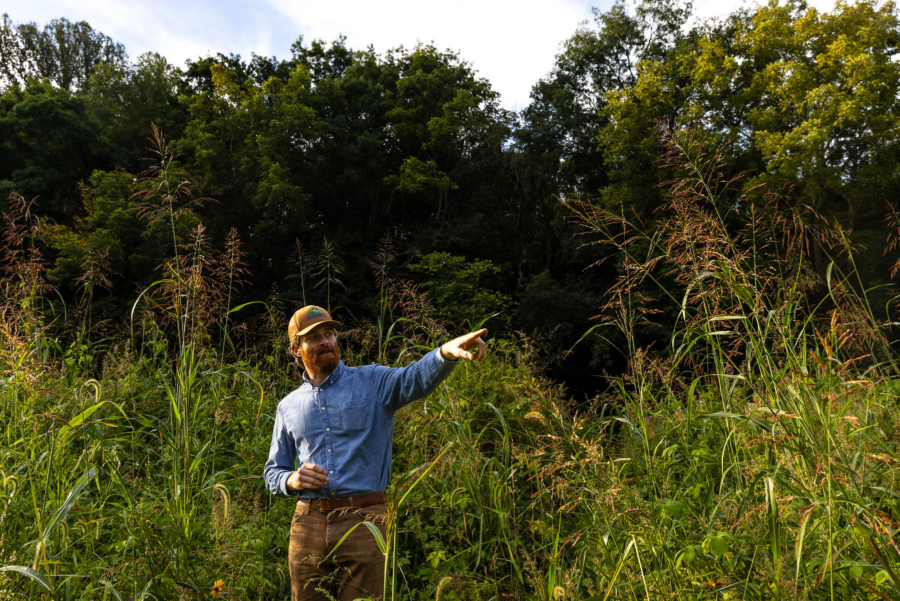
Eventually, Dorman decided to stop fighting the natural hydrology of the field and let it transition into a forested wetland—a critical habitat that protects nearby streams. The property became a Wetland Reserve Easement, a program offered through the U.S. Department of Agriculture Natural Resources Conservation Service (NRCS). The program pays landowners to restore their wetland and keep it in a natural state.
“It’s a great option for a field like Mike’s that wasn’t super productive as a corn field,” said Kevin Tate, director of conservation for Alliance for the Shenandoah Valley.
Through his role at the Alliance for the Shenandoah Valley, Tate helps provide funding and technical assistance to landowners like Dorman. Tate also coordinates a partnership known as the Shenandoah Valley Conservation Collaborative, which encourages collaboration between multiple nonprofits and state agencies working in the Shenandoah Valley.
Once Dorman’s field became a Wetland Reserve Easement, contractors began planting trees and shrubs that would help transition it into a natural wetland. Now, roughly three years later, the field is well on its way to becoming a fully sustainable wetland habitat and is already providing benefits to local wildlife and the nearby creek.
According to Tate, the restored wetland acts as a buffer that absorbs stormwater runoff before it enters the creek. This helps keep excess nitrogen, phosphorus and sediment out of the tributary, thereby improving habitat for fish.
“[The wetland’s] right on the stream bank, in a pretty critical linkage between the stream and the national forest,” Tate said.
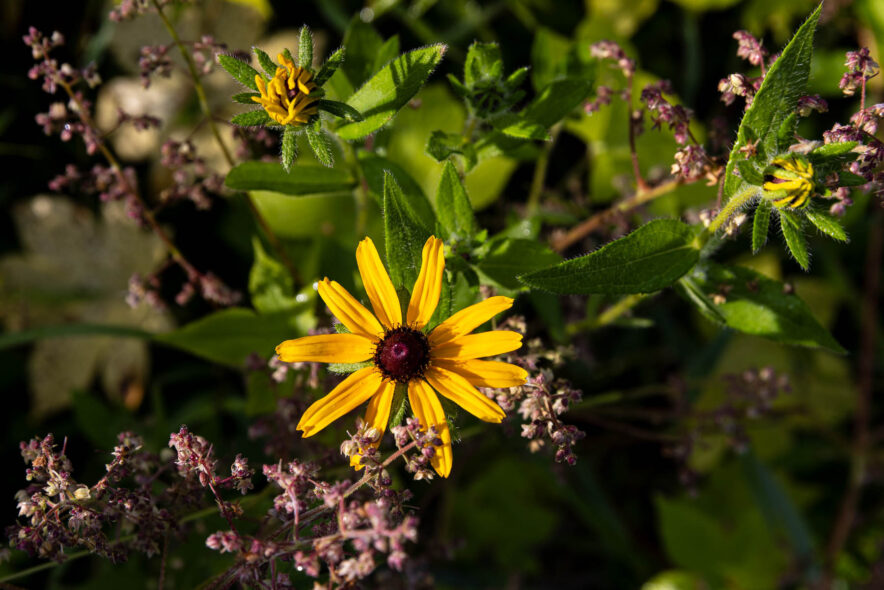
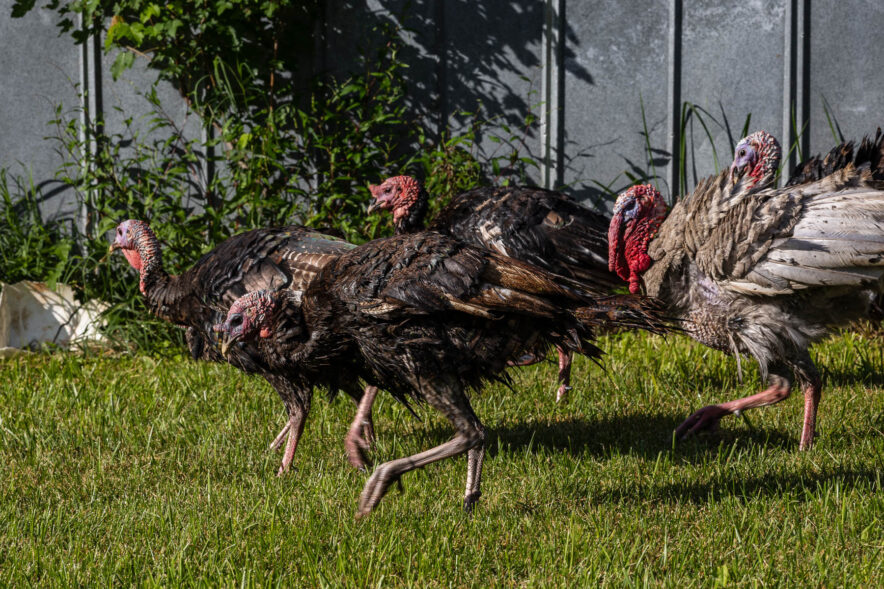
As a wildlife enthusiast, Dorman enjoys walking down to the area at night to look for wildlife among the native trees and grasses that now fill the field, especially when they block his view of the residential development and golf course on the other side of the creek.
“I’ll get my thermal scope at night,” Dorman said. “You’ll see eyes everywhere.”
The Shenandoah Valley Conservation Collaborative has funded maintenance of the wetland to ensure that the habitat is properly developing. As the landowner, Dorman also keeps a close eye on the wetland and the surrounding woods.
“Mike’s done a ton of work to get these trees to where they are now,” Tate said.
Another restoration project happening on Dorman’s property is on the stream itself.
A few years ago, Dorman contacted the county about the stream, which was eroding so much that it was in danger of damaging the road. Partners including NRCS, the Lord Fairfax Soil and Water Conservation District, Trout Unlimited, Alliance for the Shenandoah Valley and the National Fish and Wildlife Foundation (NFWF) all came together to restore the streambank.
However, the project only included the portion of Smith Creek that goes through Dorman’s property, and the streambank next door was just as bad, if not worse, in terms of erosion.
With additional funding from NFWF, the Alliance for the Shenandoah Valley stepped in to help complete the project.
“There was no help for the last 60 yards, so we used a grant with the landowner up there to fix that last section,” Tate said.
Now, this section of Smith Creek is more fully stabilized, especially with the wetland on Dorman’s property growing in.
As time goes on, the wetland will only become more established, providing more protection for the creek and attracting additional wildlife. Dorman will continue stewarding the property and hopes that his grandkids will add to the wetlands and the surrounding woods. Eventually, he wants the area to look similar to what it was hundreds of years ago.
“I would like to see this go back to what it once was,” Dorman said.
Comments
There are no comments.
Thank you!
Your comment has been received. Before it can be published, the comment will be reviewed by our team to ensure it adheres with our rules of engagement.
Back to recent stories