
Skip to content
Chesapeake Bay Program logo, Science. Restoration. Partnership
    • The Watershed
    • Field Guide
    • Bay Facts
    • Bay 101 Videos
    • FAQ
    • Glossary

    Ecosystem

    • Chemical Makeup
    • Dissolved Oxygen
    • Food Web
    • Physical Characteristics
    • Estuaries
    • Water Clarity
    • All Issues

    Threats to the Bay

    • Agricultural Runoff
    • Air Pollution
    • Chemical Contaminants
    • Climate Change
    • Conowingo Dam
    • Invasive Species
    • Nutrient Runoff
    • Population Growth
    • Sediment Runoff
    • Stormwater Runoff
    • Wastewater

    What's at Risk?

    • Blue Crabs
    • Forest Health
    • Groundwater
    • Oysters
    • Rivers and Streams
    • Stream Buffers
    • Underwater Grasses
    • Wetlands
    • Help Protect the Bay
    • Find a Bay Organization
    • Celebrate Chesapeake Bay Awareness Week
    • Press Center
    • Recent Stories
    • Videos

    Browse Our Stories

    • Chesapeake Stewardship
    • Partnership News
    • Restoration Spotlight
    • Travel, Recreation and Culture
    • Watershed Science
    • Wildlife
    • Office Staff
    • Our Partners
    • Partnership Directory
    • How We’re Organized
    • Organizational Chart
    • Our History
    • Our Funding
    • Contact Us

    Work With Us

    • Internships
    • Career Development
    • Career Opportunities
    • Meetings Calendar
    • Our Accomplishments
    • Grants & RFPs
    • Publications
    • Monitoring and Modeling Data

    What Guides Us

    • Chesapeake Bay Watershed Agreement

    Programs & Projects

    • Bay TMDL
    • Monitoring
    • Modeling
    • BMP Verification
    • Quality Assurance
    • Data Governance
  1. Recent Stories

Tagged Stories: "Environmental Protection Agency"

Browse Our Stories

Chesapeake Stewardship Partnership News Restoration Spotlight Travel, Recreation and Culture Watershed Science Wildlife

Far from the shores of the Chesapeake, organizations are recognized for their efforts to keep the Bay healthy

September 16, 2024

Seneca Rocks rises above the North Fork of the South Branch of the Potomac River in Monongahela National Forest in Pendleton County, W.Va., after sunset on April 28, 2017. The peak is popular with rock climbers but a walkable trail of steps and switchbacks will get you to a nice overlook of the river valley. (Photo by Will Parson/Chesapeake Bay Program)

Read story‍
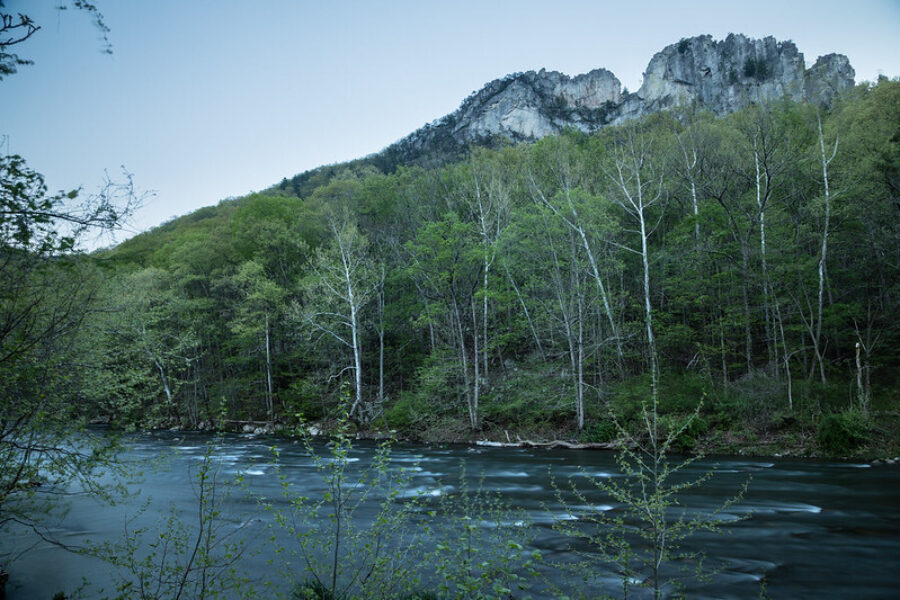
Craggy rocks rise above a stream with trees.

My Clean Water Story: Keith Bollt

August 23, 2024

How my love for all things fish keeps bringing me back to the Bay

Read story‍
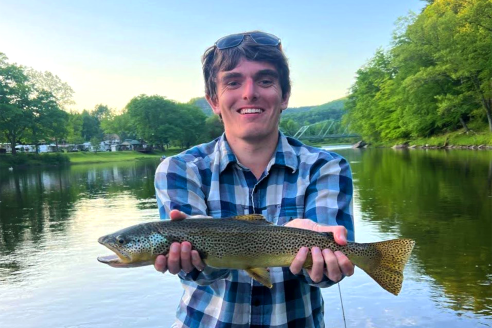
Keith is a white man wearing a blue shirt holding a fish.

Why conserving existing forest buffers is just as important as planting new ones

June 12, 2024

Chesapeake Bay Program announces progress toward Forest Buffer Outcome

Read story‍
Aerial view of trees between two field during fall.

EPA Chesapeake Bay Program awards historic amount of funding to grant programs guiding Bay restoration

March 28, 2024

Additional $35 million awarded to watershed organizations through Chesapeake Stewardship Fund for on-the-ground projects.

Read story‍
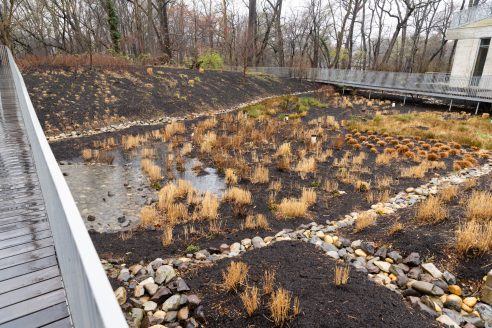
Looking to the future, the Chesapeake Executive Council begins to set a plan to reach 2025

October 11, 2022

Annual meeting hears messages of inspiration amid recent mixed results of progress

Read story‍

Administer Regan hits the gavel to end the Chesapeake Executive Council Meeting.

Connect with us. Stay informed on our work.

Follow us on these social networks.

Sign up for one of our newsletters.

Subscribe
Chesapeake Bay Program logo, Science. Restoration. Partnership

The Chesapeake Bay Program is a unique regional partnership that has led and directed the restoration of the Chesapeake Bay since 1983. The content on this website does not necessarily reflect the views or positions of the federal government.
 

Tel: (800) YOUR-BAY (968-7229)
Fax: (410) 267-5777

© 2025 Chesapeake Bay Program All Rights Reserved

  • Contact Us
  • Terms of Use
  • Privacy Policy