
Skip to content
Chesapeake Bay Program logo, Science. Restoration. Partnership
    • The Watershed
    • Field Guide
    • Bay Facts
    • Bay 101 Videos
    • FAQ
    • Glossary

    Ecosystem

    • Chemical Makeup
    • Dissolved Oxygen
    • Food Web
    • Physical Characteristics
    • Estuaries
    • Water Clarity
    • All Issues

    Threats to the Bay

    • Agricultural Runoff
    • Air Pollution
    • Chemical Contaminants
    • Climate Change
    • Conowingo Dam
    • Invasive Species
    • Nutrient Runoff
    • Population Growth
    • Sediment Runoff
    • Stormwater Runoff
    • Wastewater

    What's at Risk?

    • Blue Crabs
    • Forest Health
    • Groundwater
    • Oysters
    • Rivers and Streams
    • Stream Buffers
    • Underwater Grasses
    • Wetlands
    • Help Protect the Bay
    • Find a Bay Organization
    • Celebrate Chesapeake Bay Awareness Week
    • Press Center
    • Recent Stories
    • Videos

    Browse Our Stories

    • Chesapeake Stewardship
    • Partnership News
    • Restoration Spotlight
    • Travel, Recreation and Culture
    • Watershed Science
    • Wildlife
    • Office Staff
    • Our Partners
    • Partnership Directory
    • How We’re Organized
    • Organizational Chart
    • Our History
    • Our Funding
    • Contact Us

    Work With Us

    • Internships
    • Career Development
    • Career Opportunities
    • Meetings Calendar
    • Our Accomplishments
    • Grants & RFPs
    • Publications
    • Monitoring and Modeling Data

    What Guides Us

    • Chesapeake Bay Watershed Agreement

    Programs & Projects

    • Bay TMDL
    • Monitoring
    • Modeling
    • BMP Verification
    • Quality Assurance
    • Data Governance
  1. Recent Stories

Tagged Stories: "nutrient pollution"

Browse Our Stories

Chesapeake Stewardship Partnership News Restoration Spotlight Travel, Recreation and Culture Watershed Science Wildlife

Seven Chesapeake farmers who make conservation a priority

March 18, 2025

Sustainable farming reduces runoff to the Bay and creates habitat for wildlife

Read story‍
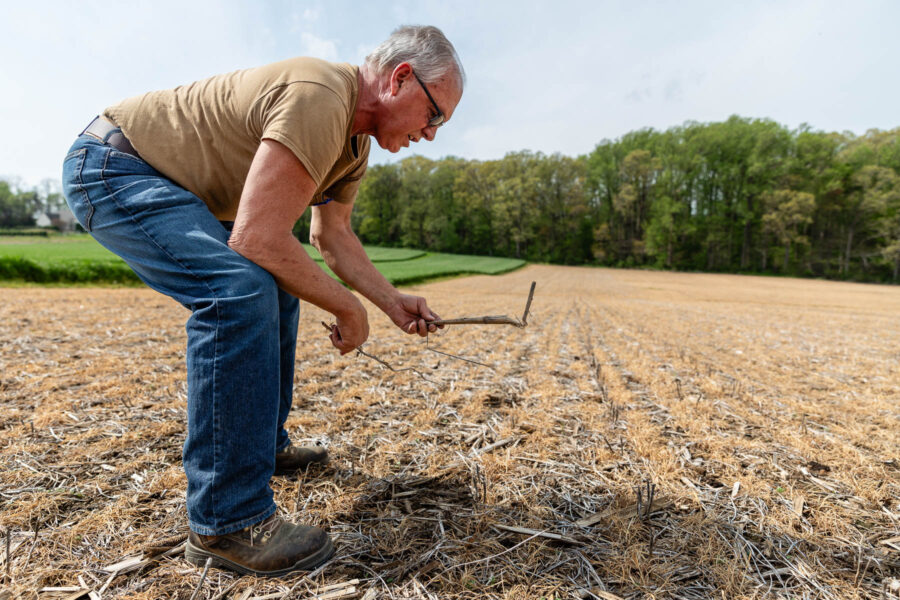
Roger bends down to observe part of his farm.

Bay water quality continued to decline in 2018-2020

September 14, 2022

Watershed tributaries see mixed results when it comes to pollution levels

Read story‍
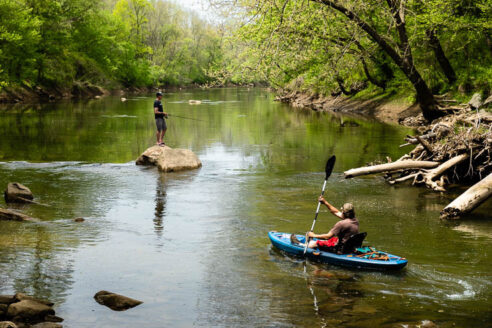
Two kayakers paddle down a forested river

Twenty years later, the restoration efforts on a New York farm help secure its future

January 7, 2021

The Otsego County Soil and Water Conservation District goes virtual to tour impactful conservation practices

Read story‍
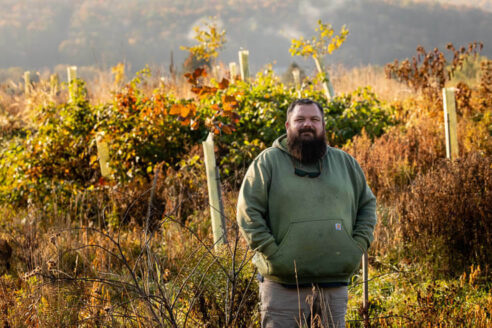
Helping farmers help our waterways

January 30, 2019

The new federal Farm Bill supports Chesapeake farmers and conservation

Read story‍
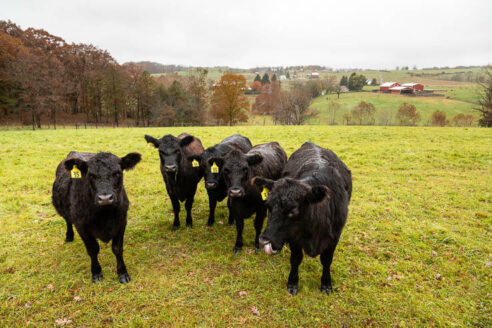
Water quality in the Chesapeake approaches record high

December 14, 2017

Conservation practices are having a positive effect on pollution even as agricultural and urban runoff remain a challenge

Read story‍
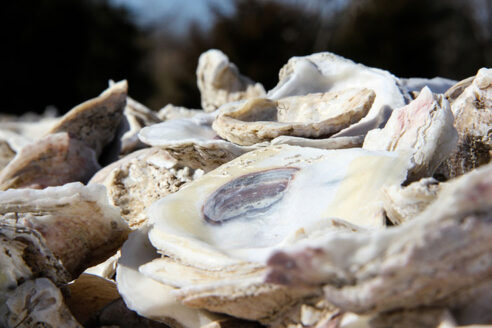
Oyster shells show evidence of early human pollution of Chesapeake Bay

April 24, 2017

Humans have dramatically increased nitrogen in the estuary since the early 19th century, study finds

Read story‍
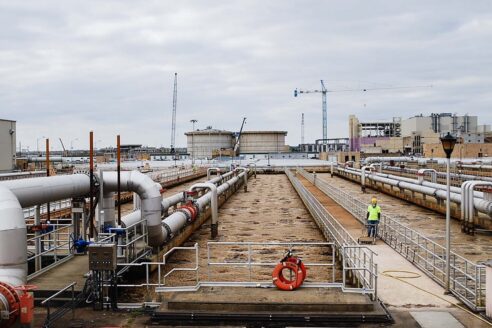
Wastewater sector meets nutrient goals of ‘pollution diet’ a decade early

June 14, 2016

Improvements significantly reduced nitrogen, phosphorus entering Bay

Read story‍
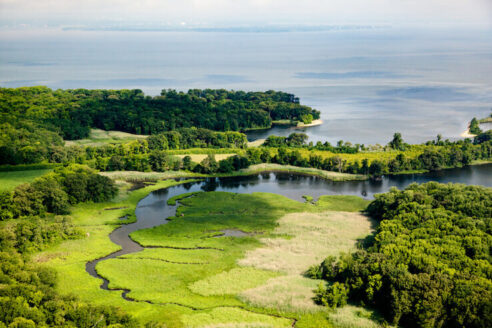
Chesapeake Bay dead zone measures slightly below average in 2015

November 24, 2015

Maryland's low-oxygen zone ranks as 13th smallest in 31 years of reporting

Read story‍
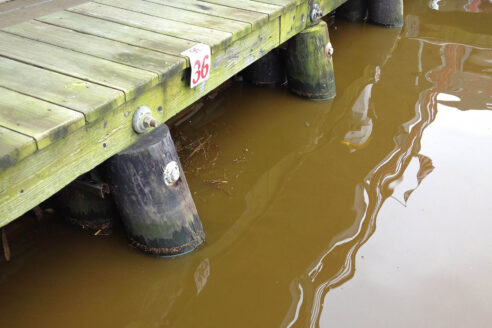
Scientists predict smaller than average dead zone for Chesapeake Bay

June 23, 2015

Low spring nutrient loads should lead to improved summer water quality

Read story‍
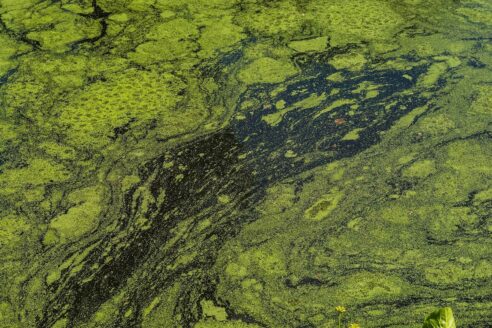
Report recommends model better account for influence of urban streams, trees on nutrient pollution

April 10, 2015

Improved simulations could allow better targeting of pollution reductions

Read story‍
Connect with us. Stay informed on our work.

Follow us on these social networks.

Sign up for one of our newsletters.

Subscribe
Chesapeake Bay Program logo, Science. Restoration. Partnership

The Chesapeake Bay Program is a unique regional partnership that has led and directed the restoration of the Chesapeake Bay since 1983. The content on this website does not necessarily reflect the views or positions of the federal government.
 

Tel: (800) YOUR-BAY (968-7229)
Fax: (410) 267-5777

© 2025 Chesapeake Bay Program All Rights Reserved

  • Contact Us
  • Terms of Use
  • Privacy Policy