
The decades-long effort to restore brook trout habitat in the Kettle Creek watershed
A network of local and national nonprofits restore and reconnect vital habitat
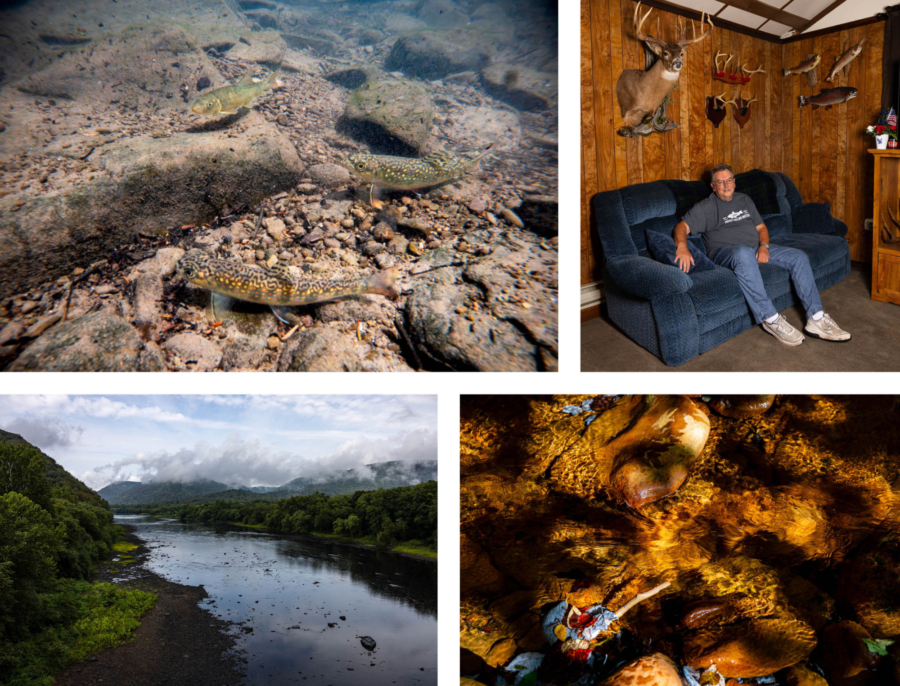
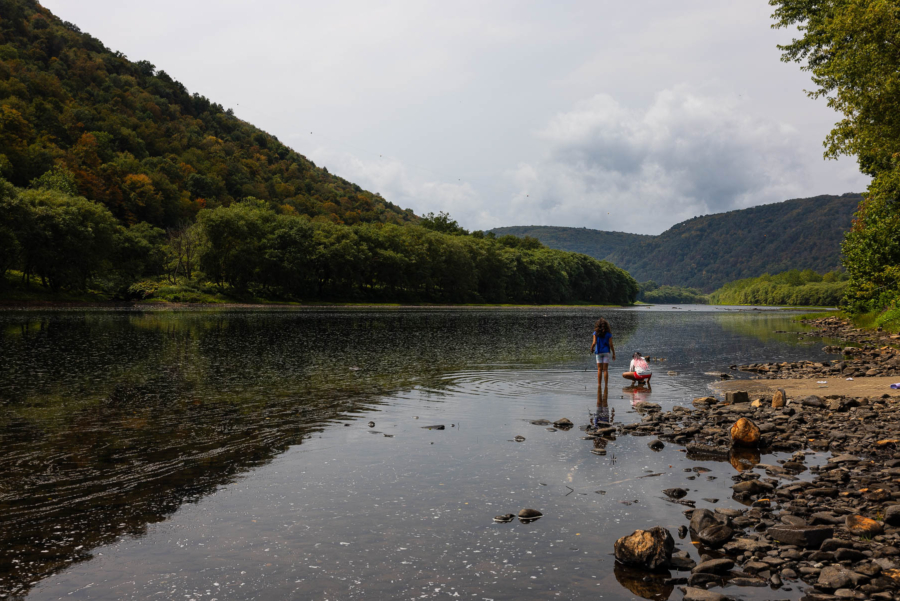
Nestled in the forests of northcentral Pennsylvania, the upper Kettle Creek watershed is famous for its pristine streams and fly fishing hotspots. But in the lower watershed, the lasting legacy of uncontrolled coal mining has left many waterways devoid of life.
Caught in the middle are freshwater fish like brook trout. Sensitive to warm, dirty or acidic water, these fish thrive in the upper part of the watershed but find less and less sustainable habitat as they migrate downstream. As the region’s only native trout, brook trout are an iconic species that attract anglers from all across the Eastern U.S.
In the late 1990s, a volunteer group known as the Kettle Creek Watershed Association (KCWA) formed to try and remedy these deep-seated issues. The organization has worked closely with groups like Trout Unlimited, a national nonprofit focused on improving habitat for trout and other freshwater fish. Together, these leaders have spent the past decades cleaning up the watershed.
While challenges still remain, the Kettle Creek watershed has seen significant improvements. Streams that were once on Clean Water Act’s impaired streams list are bouncing back, and a partnership of nonprofits, state and federal agencies, and community groups are committed to the watershed's restoration.


Vital industries leave their mark
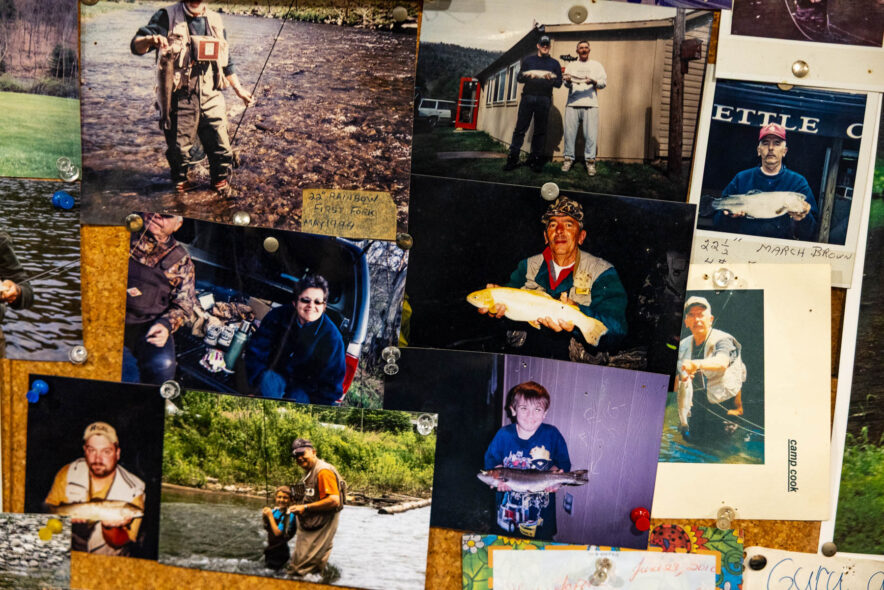
Perched along Kettle Creek’s banks is Cross Fork, a quaint town with a fire station, two restaurants and a handful of homes owned by residents who have been there for generations. Three state forests are within an hour's drive of the town, with their campsites and hiking trails scattered throughout the nearby hills.
“There's a rich history of land and people here,” said Scott Koser, program manager for Trout Unlimited’s Pennsylvania Coldwater Habitat Program. “It has to start with the history of resource extraction and logging—that's what these mountains are known for.”
From the late 19th to the early 20th century, the area flourished during the prime of the logging industry. Residents went to work for companies harvesting lumber from the forested hills of northcentral Pennsylvania. Beneath the surface, neighboring communities in the lower part of the watershed dug deep into the earth to mine for bitumen coal.
“It’s where their economics came from, and that's what got us through the Industrial Revolution,” Koser said. “Unfortunately, we're left with the legacy.”
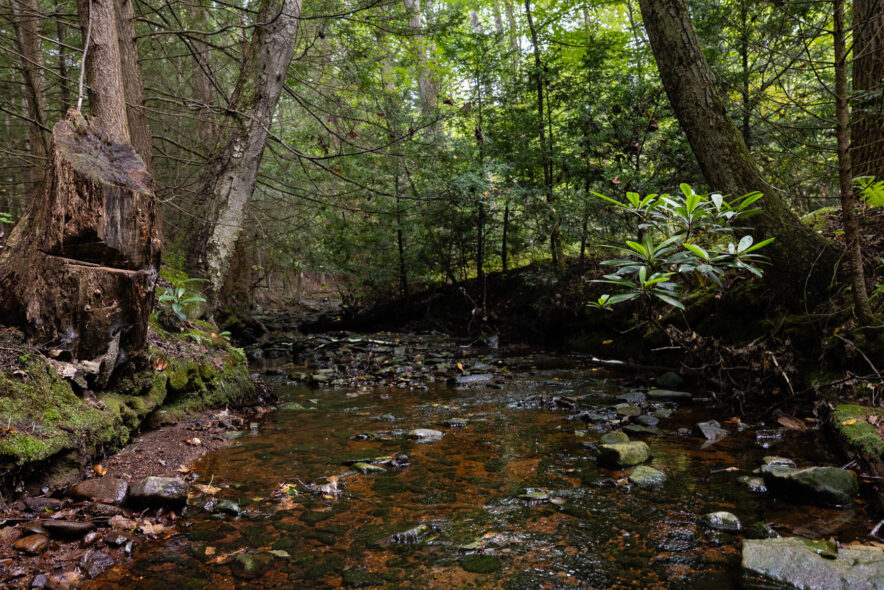
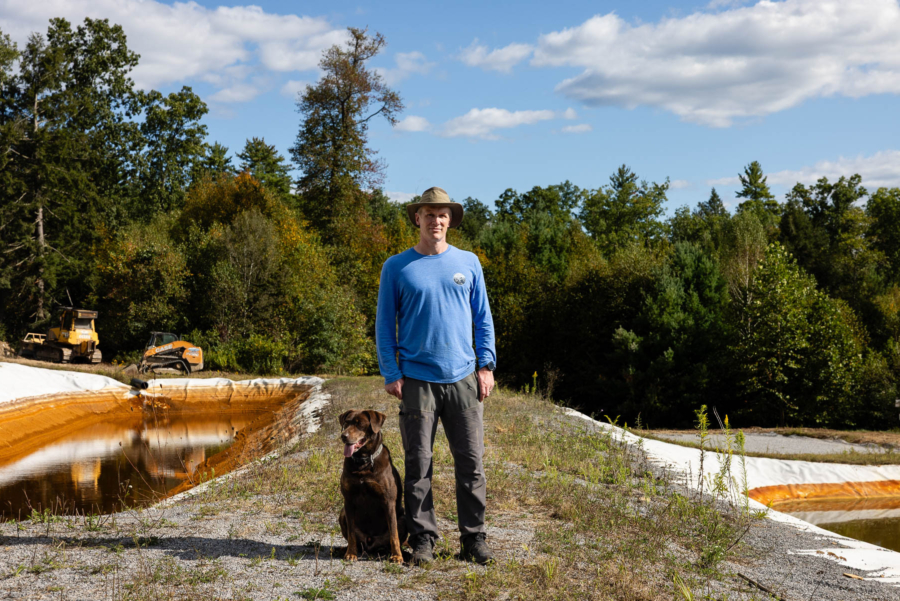
Once the logging industry closed in 1913, most of Cross Fork’s residents moved out and there was little to no industry left for workers to support their families. In the industry’s wake came long-term damage to the streams, as deforestation heightened levels of erosion and sent sediment runoff into waterways once lined by trees, and rain flowing through abandoned mineswashed highly acidic water into streams. Acid Mine Drainage (AMD) is an issue that plagues the lower Kettle Creek watershed, as well as the waters it drains into: the West Branch of the Susquehanna River.
“When I first came to the region in the early 1990s, I was really shocked that this big, beautiful river, the West Branch of the Susquehanna, was almost completely devoid of life at the time,” said Amy Wolfe, Trout Unlimited’s Northeast regional director.
Throughout the 2000s, KCWA and Trout Unlimited conducted AMD remediation projects throughout the lower Kettle Creek watershed. This included significant restoration along Twomile Run, a severely impaired stream near Westport, Pennsylvania. Located at the lower part of the watershed, Twomile Run isolates populations of brook trout at the headwaters, keeping them from reaching new habitat. The organizations installed nine different treatment systems within the stream that raise the water’s pH to levels that fish can tolerate.
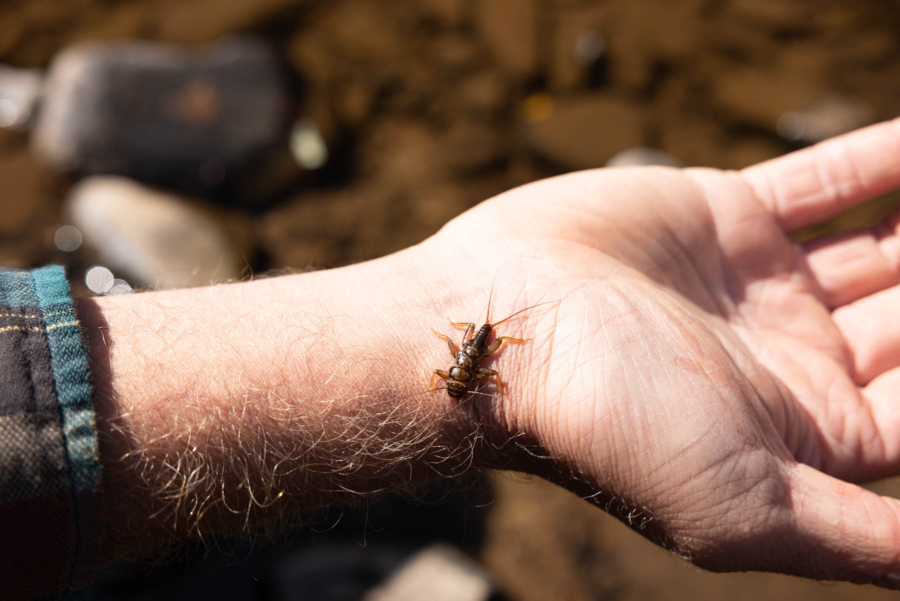
By 2013, brook trout and macroinvertebrates had recovered in most of Twomile Run due to AMD treatment systems. Today, the pH level in most of Twomile Run is around a 7, which is high enough to support aquatic life.
“Before the treatment system, it had an instream pH in the low threes,” said Wolfe. “But now the stream is teeming with brook trout and aquatic insects.”
Improving fish passage to reconnect streams
In addition to AMD, another issue plaguing Kettle Creek was connectivity. Dams and undersized culverts blocked fish from safely migrating through the watershed, sometimes preventing them from habitat and food they need to survive.
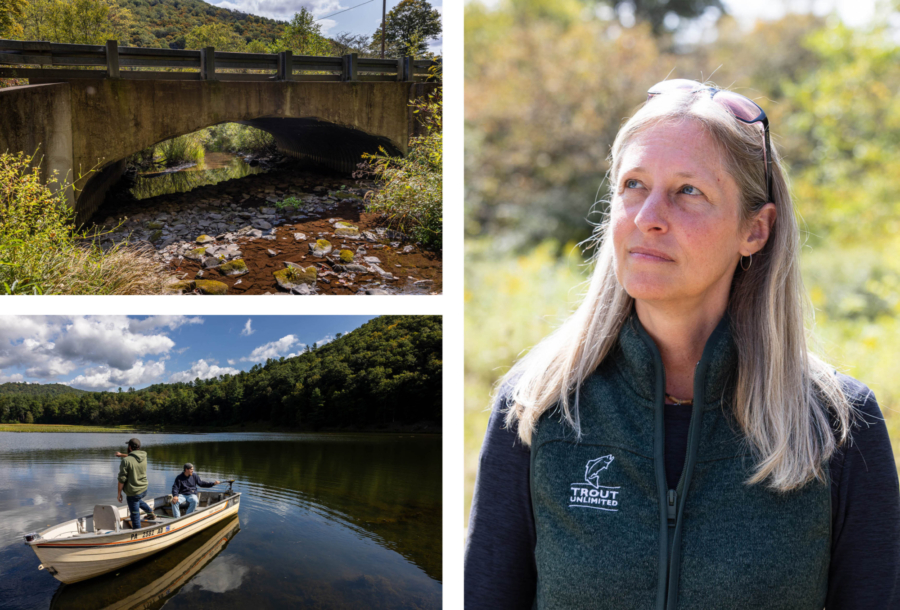
One example was in the Little Lyman Run, a tributary that crosses under Cross Fork Creek Road. A 60-inch culvert was located there, allowing water to flow from one side of the road to the other. Due to erosion, the pipe acted as a barrier for brook trout about 98% of the time. Brook trout need to travel upstream for cooler water temperatures in the summer and to reach their historic spawning sites.
“There was no way for fish to cross, especially in low flow,” Wolfe said. “What ends up happening when the stream is higher, is the pipe ends up like a firehose, and the fish can’t make it upstream.”
In 2016, Trout Unlimited received funding from a number of organizations including the Pennsylvania Fish and Boat Commission, National Fish and Wildlife Foundation, Richard King Mellon Foundation and Orvis to upgrade the culvert. Trout Unlimited installed a 24-foot open-bottom arch to ensure full fish passage, reconnecting both sides of Little Lyman Run.
Reconnecting both sides of the previous culvert reconnected nearly eight miles of stream in the watershed, doubling the number of spawning sites per kilometer upstream. The project also prevents issues like flooding and road failures, which are caused by poorly maintained culverts.
“When you replace it with a structure like this, it provides for full passage, and it is designed to be virtually maintenance-free for at least 50 years,” Wolfe said.
Restoring streams throughout the watershed
Decades of stormwater runoff and timber harvesting has left many streams in the Kettle Creek watershed with eroded banks and widened channels. To resolve this issue, Trout Unlimited and KCWA have worked across the watershed restoring impaired streams and planting trees to protect them.
In 2023, at their Oxbow project site in Clinton County, Trout Unlimited and KCWA installed a feature known as a log vane within the stream to push water away from the banks, as well as a series of strategically placed logs and rocks, known as a mud-sill, to narrow the streambank. Then, in spring 2024, they planted a forest buffer to help reduce erosion, filter water and provide shade.
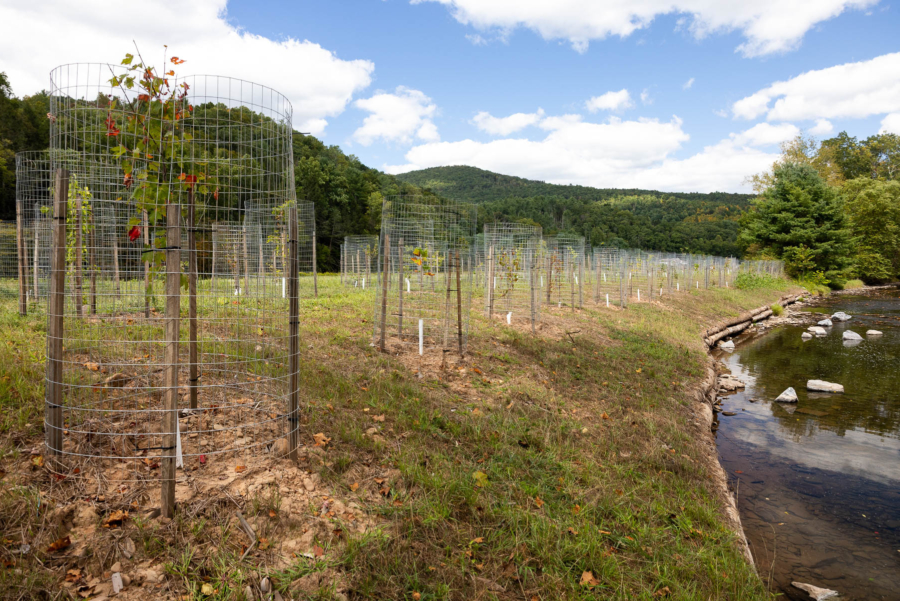
“[The log vane] protects the toe of the slope so it doesn't erode anymore and now there's vegetation growing,” Koser said.
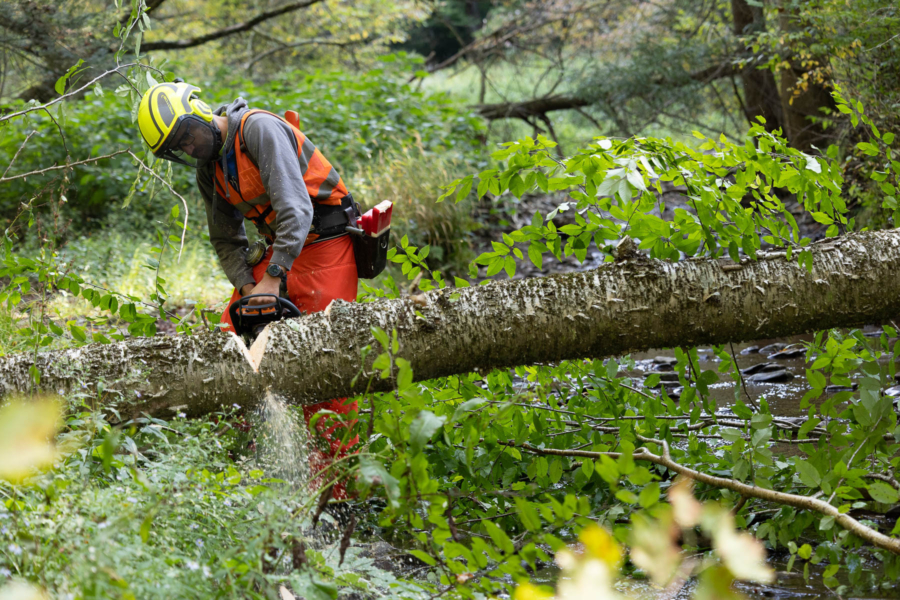
In addition to stabilizing the streambank,Trout Unlimited has also been adding woody structures into the streams to reduce erosion and flooding downstream over the last six years. In a natural setting, trees regularly die and fall into a stream, which slows down the velocity of the water and makes flooding less likely. Without as many trees around, Trout Unlimited must add logs and tree limbs into the streams to mimic this system.
Biologists who conduct this work either move a tree that’s died in a nearby forest or cut down one that is already showing signs of decay. The foresters then move pieces of the tree and strategically cut it before placing it in the river.
“We have one shot,” said Phil Thomas, stream restoration specialist with Trout Unlimited. “There's a lot of stuff that comes into play with the wedging, [cutting], and knowing tree species.”
Building a community around a watershed
Decades of work have helped form strong partnerships between KCWA, Trout Unlimited and residents living in Cross Fork and other surrounding towns. Together, these stakeholders will continue working toward healthier stream habitats for fish and other wildlife.
Looking into the future, AMD treatment systems will continue to be monitored and updated. The riparian buffers along the streambanks will grow, providing more shade for the brook trout to enjoy the cool waters. With the help of the community, Trout Unlimited will continue to develop strategies to prevent streambank erosion as landowners seek to restore their land.
All of this work will help secure safe habitat for brook trout, the species that is in many ways the driving force behind the restoration of Kettle Creek.
“The strongest strongholds of native brook trout populations are found in the tributaries of the Kettle Creek watershed,” Wolfe said. “It's very rural here, and the community has come to rely on each other and I think that goes along with the resiliency of the watershed.”
Comments
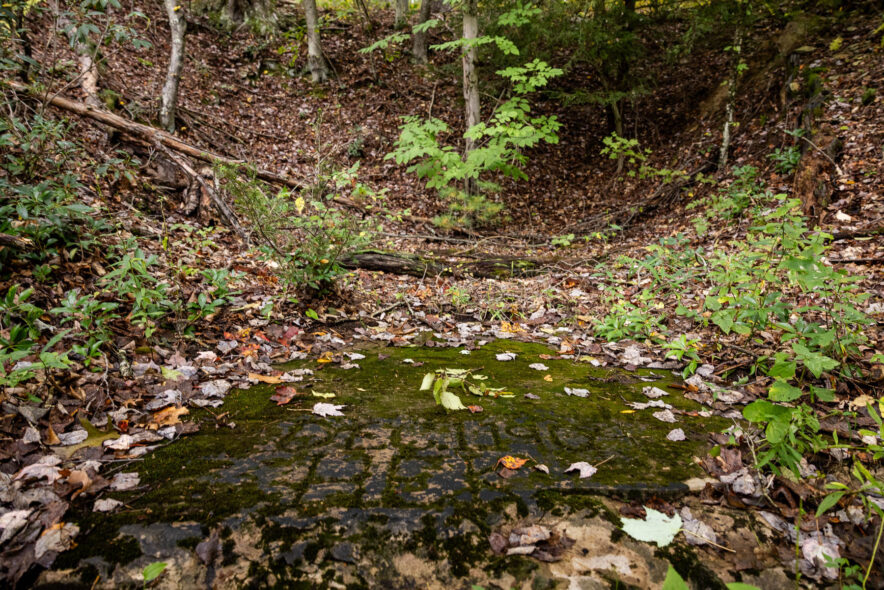
That date carved in stone is at the site of the Kettle Creek #1 underground mine. I'm the one who uncovered this from years of mud, moss, and debris so it could be seen. Just in front of this flat surface slab is a piece of mine rail driven vertically into the ground. I enjoy going out there regularly and explore the areas of the mines. My Uncle grew up in Bitumen and my Great Grandfather worked at those mines.
Thank you!
Your comment has been received. Before it can be published, the comment will be reviewed by our team to ensure it adheres with our rules of engagement.
Back to recent stories