
Three late-season blooms bring color to the Chesapeake
Keep an eye out for these vibrant native flowers
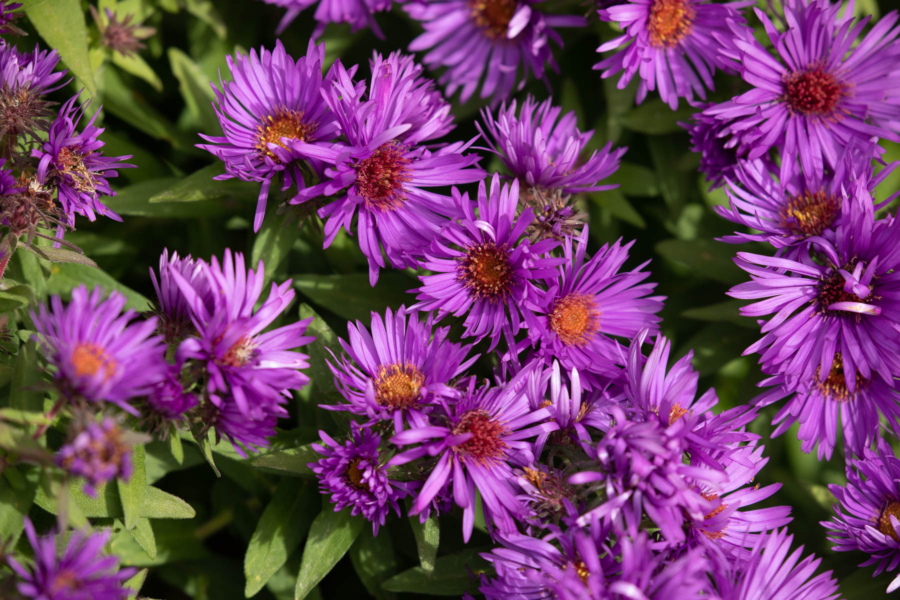
As late summer turns into early fall across the Chesapeake region, a handful of native flowers are just hitting their stride. While many native perennials have already reached peak bloom, flowers like asters, goldenrod and mountain mint are in bloom, providing a late-season source of nutrition to local pollinators.
The perks of native plants
Native plants are species that naturally evolved in a specific ecosystem—in this case, the Chesapeake Bay region—over thousands of years. They have adapted to the region’s climate and soil conditions, which means they require less fertilizer and watering than most non-natives. Native insects and bird species have also co-evolved with these plants and in many cases rely on them as sources of food and habitat.
Three blooms for late summer to early fall
The flowers below are groups of plants comprised of several different species that grow in different parts of the Bay watershed. Make sure to look up which species is native to where you live!
Mountain mint (Pycnanthemum spp.)
Blooming from August to September, mountain mint is frequently ranked as one of the single best native plants for attracting a wide array of beneficial bees, wasps and butterflies. The plant produces dense clusters of tiny white flowers that give off a minty aroma.
Goldenrod (Solidago spp.)
Found in both coastal areas and the mountains, goldenrod is a popular wildflower that is hard to miss. Bursts of tiny yellow flowers grow in dense clusters at the top of long stems, usually growing in patches in full sun. The plant attracts all sorts of native butterflies, bees and other insects preparing for winter.
Aster (Symphyotrichum spp.)
Providing the perfect color contrast to goldenrod's yellow, asters display daisy-like blooms ranging from deep violet and magenta to soft blue and white. These tough, reliable perennials keep flowering right up until the first heavy frost, ensuring local pollinators have access to late-season forage.
Do you know of any other late season wildflowers to add to the list? Let us know in the comments!
Comments
There are no comments.
Thank you!
Your comment has been received. Before it can be published, the comment will be reviewed by our team to ensure it adheres with our rules of engagement.
Back to recent stories