
Meet Seneca Creek, a freshwater trout stream at the base of a “true peak”
There aren't many rock "peaks" in the Bay watershed; this creek runs by an impressive one!
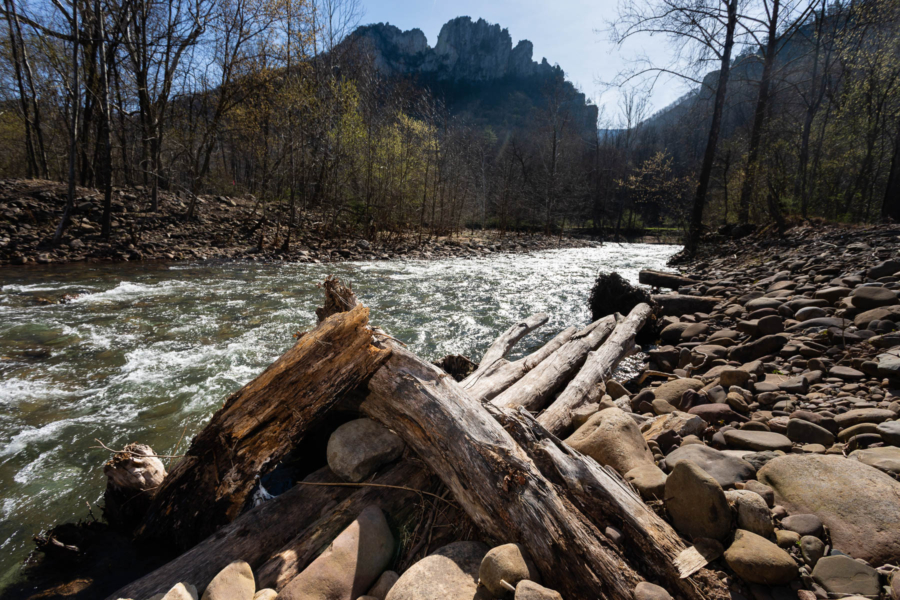
If you make your way to Seneca Creek in Pendleton County, West Virginia, someone might just ask if you’re there for rock climbing or trout fishing.
Rising high above 19-mile-long Seneca Creek, Seneca Rocks is considered the only “true peak” in the Eastern U.S., meaning its summit can only be reached using technical climbing. Climbers flock to this formation year-round for its stunning, panoramic views. Hikers visit too, taking a 2.7-mile round-trip trail to an observation deck near the summit.
At the base of this West Virginia landmark, Seneca Creek is best known for another pursuit: trout fishing. Flowing through miles of heavily forested land and into the North Fork of the South Branch of the Potomac River (which winds its way east into the Chesapeake Bay) Seneca Creek maintains cool, shaded waters ideal for freshwater species like the eastern brook trout.
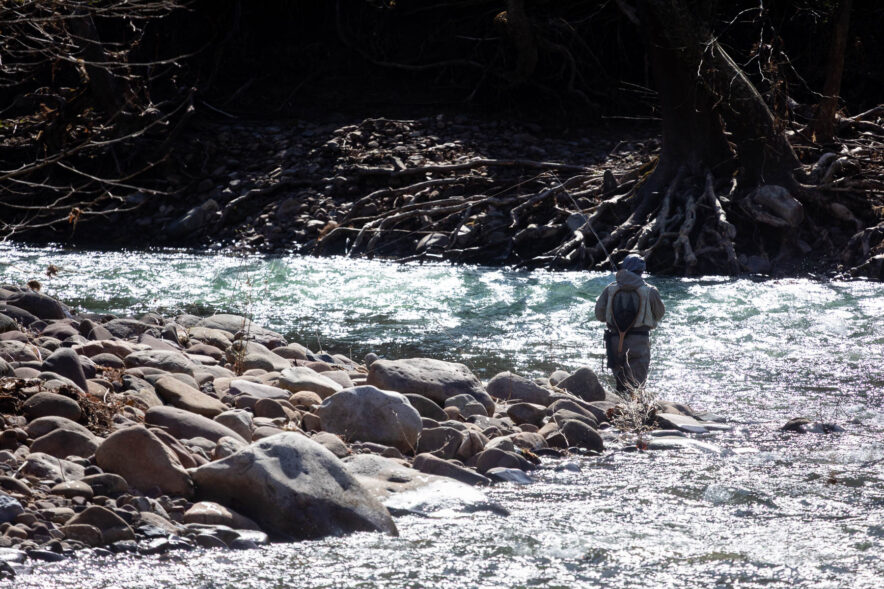
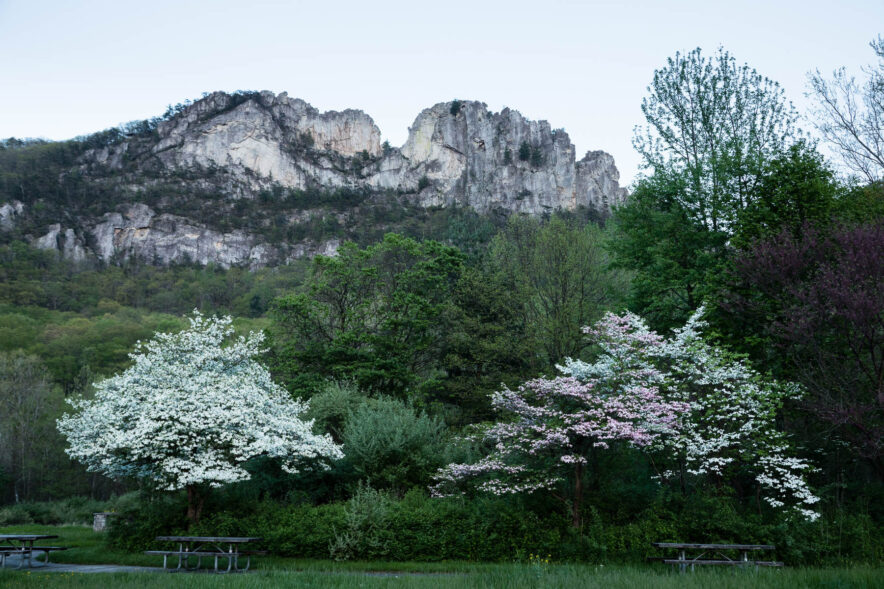
Because of its surroundings, Seneca Creek and the Potomac River headwaters it feeds are among the most robust brook trout strongholds south of Maine. Part of the reason for the creek’s health is that it is surrounded by the Spruce Knob-Seneca Rocks National Recreation Area in the Monongahela National Forest, a 24,000-acre landscape that has remained largely protected from development.
In recent years, TU and other state and federal partners, including the Chesapeake Bay Program, have focused their work in and around Seneca Creek to keep these waters accessible to brook trout. Through the Potomac Headwaters Home Rivers Initiative, TU and the U.S. Fish and Wildlife Service (USFWS) have restored streambanks damaged by erosion and heavy storms, installed crossings that improve fish passage and worked with nearby farmers to reduce their nutrient and sediment runoff through sustainable land management practices.
For all these reasons, Seneca Creek is one of the most unique and coveted waterways in the Chesapeake Bay watershed, and stands as an example of what’s possible when partners align to achieve a restoration goal.
Comments
This really wowed..
Thank you!
Your comment has been received. Before it can be published, the comment will be reviewed by our team to ensure it adheres with our rules of engagement.
Back to recent stories