
Estuaries
Estuaries are areas of transition between the land and the sea, where fresh water and salt water meet.
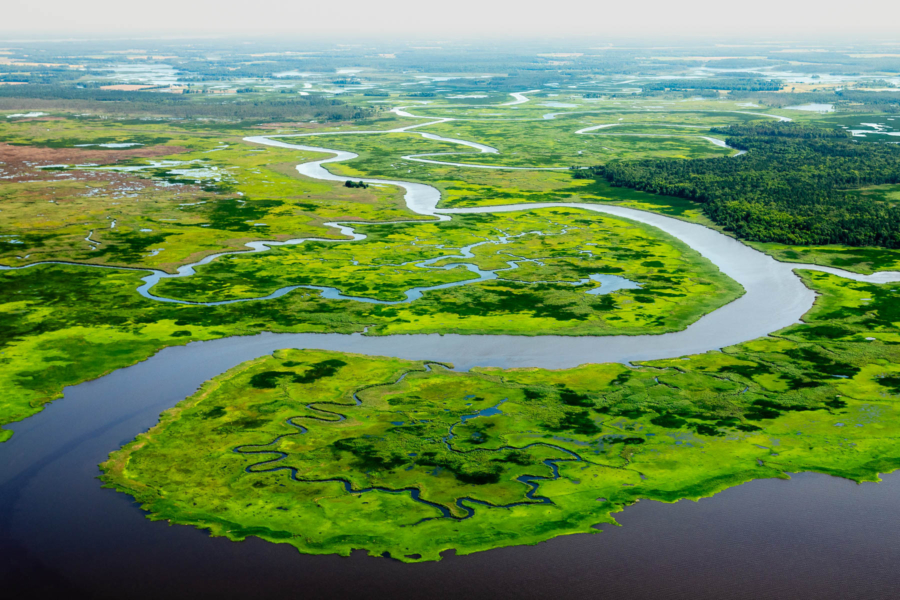
An estuary is a partially enclosed body of water where fresh water from rivers and streams mixes with salt water from the ocean. The resulting water is called brackish, and has salinity levels that change with the tide, weather and season. The Chesapeake Bay is the largest of more than 100 estuaries in the United States, and provides important habitat to fish, shellfish, birds and mammals.
Why are estuaries important?
Estuaries are dynamic environments that provide habitat to fish, shellfish, birds and mammals, including shallow water, open water, marshes, wetlands, beaches, mud flats and reefs. In the Bay, underwater grasses that are adapted to life in brackish water protect young fish and molting blue crabs from predators. The Bay’s open waters, shallow waters, marshes and wetlands provide feeding grounds for waterfowl during their seasonal flights along the Atlantic Flyway. And the watershed’s rivers and streams allow fish to migrate from the sea to freshwater spawning grounds.
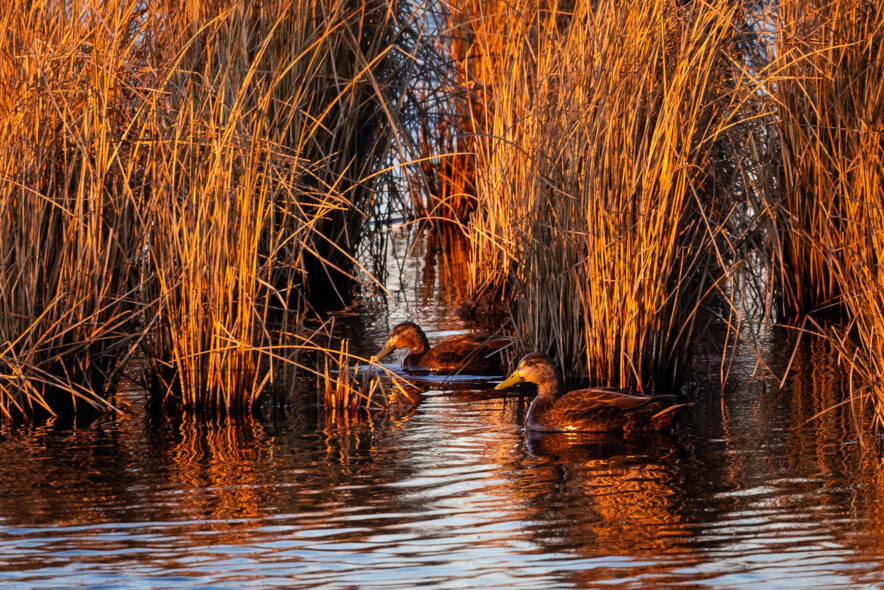
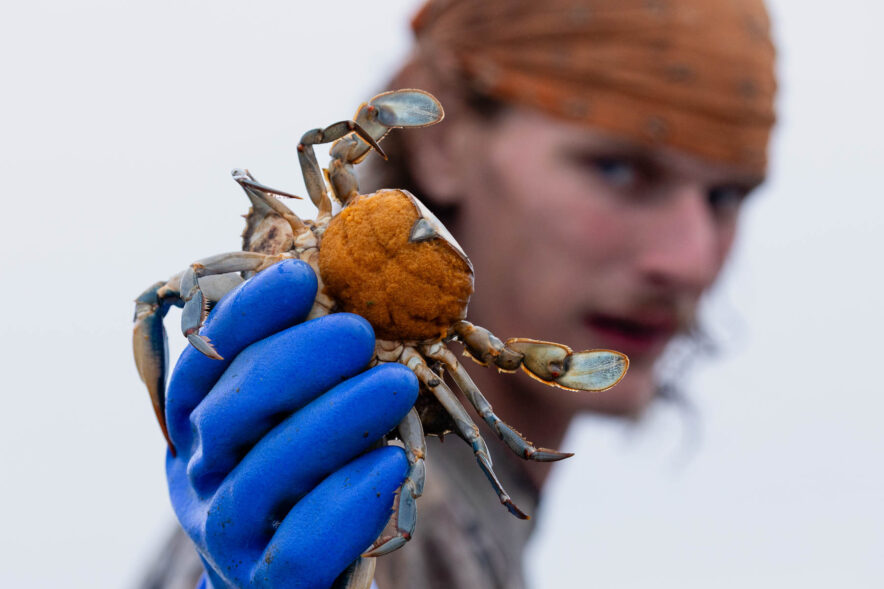
Estuaries also serve as buffers that protect upland areas from strong waves and soak up excess water from floods and tidal surges. And as the center of many coastal communities, estuaries provide people with opportunities for on-the-water recreation, such as sailing, fishing, swimming and birdwatching.
How do human activities affect the Bay estuary?
The Bay faces complex problems, from the excess nutrients that pollute its waters to the changing climate affecting its land, air and water.
Nutrient pollution
While nutrients are a natural part of the Bay ecosystem, excess nutrients enter the water from wastewater treatment plants, urban, suburban and agricultural runoff, and air pollution. When too many nutrients enter the Bay, its phytoplankton population can grow too large. When these algae blooms die, they can lead to low-oxygen dead zones that suffocate marine life. Plants and animals can’t survive low-oxygen environments.
Climate change
The Bay is one of the most vulnerable regions in the nation to the effects of climate change. Rising water temperatures, rising sea levels and more extreme weather events can damage and destroy wildlife habitat and make it more difficult to reduce pollution.
How are estuaries protected?
More than one million acres of estuaries across the United States are currently protected under the National Estuarine Research Reserves program. This network of coastal sites was established to conduct research, keep estuaries healthy and support hands-on learning. The Chesapeake Bay-Maryland National Estuarine Research Reserve was designated in 1985, protects 6,249 acres, and includes sites like Otter Point Creek, Jug Bay Wetlands Sanctuary and Monie Bay. The Chesapeake Bay-Virginia National Estuarine Research Reserve was designated in 1991, protects 3,072 acres, and includes four sites along the York River.
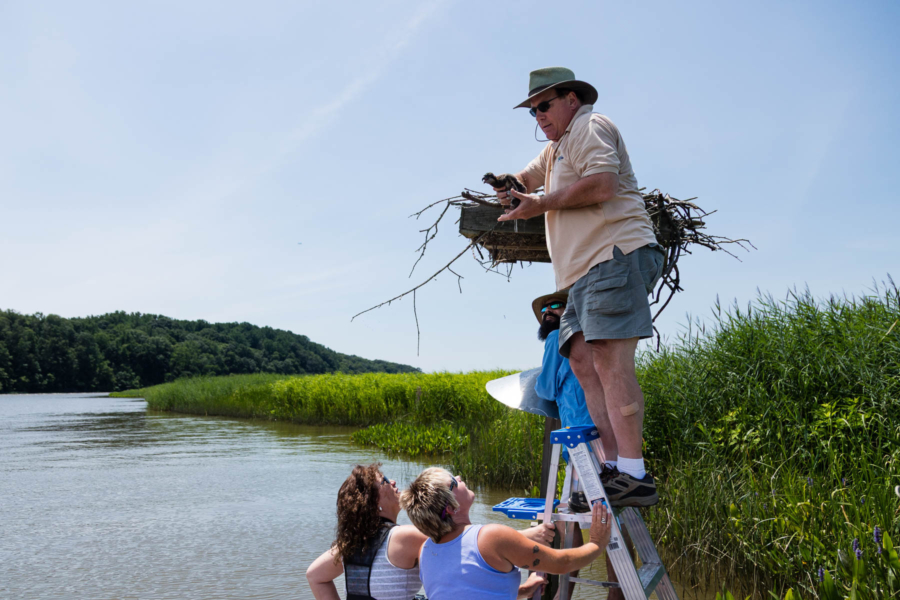
Regional partnerships such as the Chesapeake Bay Program can help establish long-term protection plans for estuaries like the Bay. In our watershed, we bring together federal, state and local leaders, academic institutions and community groups to accelerate progress toward science, restoration and conservation, and to preserve the Bay’s ecological, cultural, economic, historic and recreational value for the people who live, work and play in the region.
How can you help?
To protect the Bay estuary, consider reducing the amount of pollutants that can run off your property: install a green roof or rain garden to capture and absorb rainfall, spread mulch over bare ground and redirect downspouts onto grass or gravel rather than paved driveways or sidewalks.