
Water Clarity
Clear water helps sunlight reach underwater plants, and strong water clarity is a sign of Chesapeake Bay health.
Overview
Water clarity has two common meanings. First, how cloudy does the water appear to the human eye? And second, how much sunlight is passing through the water? In the Chesapeake Bay, clear water is generally a sign of good health and an indication that pollution-reducing practices are working.
Watch: Bay 101: Water Clarity
Why is water clarity important?
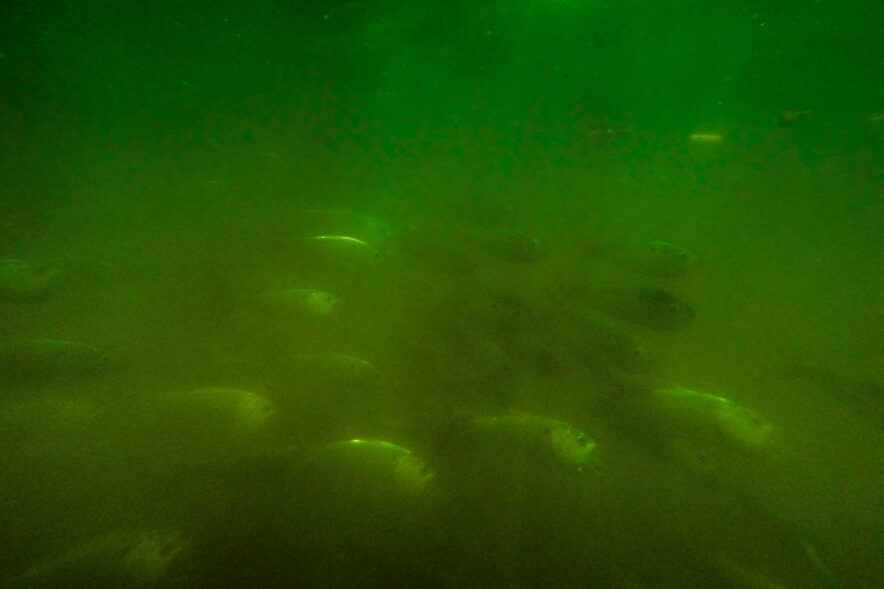
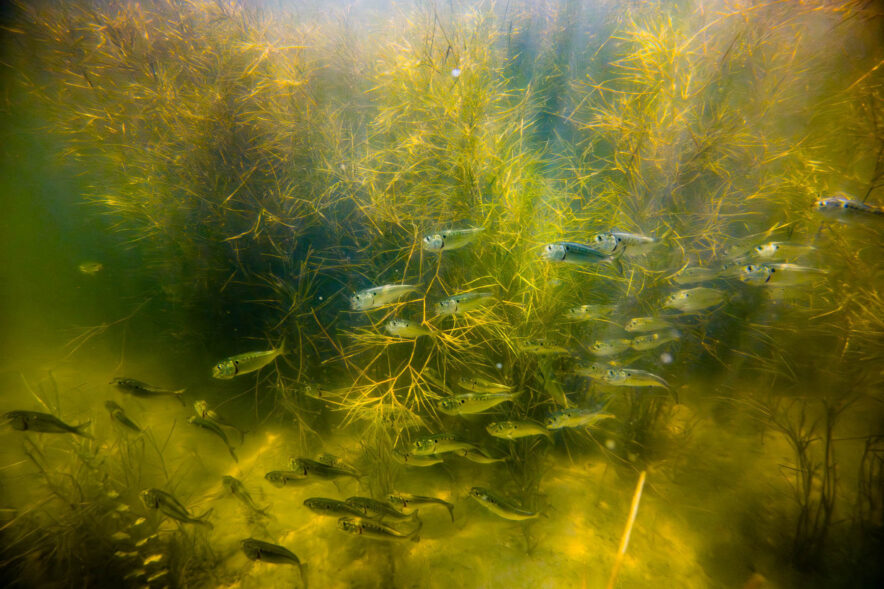
Clear water is essential to the survival of underwater grasses. In fact, sunlight is the single most important factor that determines whether these plants thrive. When the water is clear, sunlight can reach aquatic plants, fueling new growth and the expansion of existing grass beds. When the water is cloudy, these grasses may die, and blue crabs, fish and other wildlife may lose critical habitat. Fish also rely on clear water to find food and avoid predators.
What causes poor water clarity?
In the Bay, poor water clarity is primarily caused by nutrient and sediment pollution. When excess sediment washes into rivers and streams, it can remain suspended in the water, blocking sunlight from reaching underwater plants. Excess nutrients can fuel the growth of algae blooms, which also cloud the water. While algae blooms are short-lived and their effects are often temporary, they can pose a larger problem if they are allowed to appear on a regular basis.
Water clarity is also influenced by the weather. Because strong storms can wash pollutants into the water, waters tend to be clearer during drier periods.
How is water quality measured?
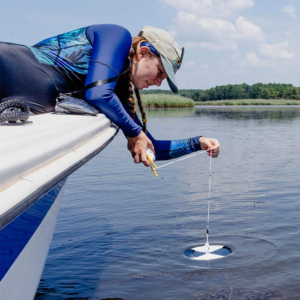
Water quality is measured using a device called a Secchi disc: a simple black-and-white plate attached to a long rope. To take a measurement:
- Lower the Secchi disc into the water until it disappears from view.
- Slowly raise the Secchi disc until it can just barely be seen.
- Mark the water line on the rope, using it to measure the depth at which the disc reappeared.
This measurement indicates how far sunlight is able to penetrate through the water. The larger the number, the better the clarity.
How can you help?
You can help track the Bay’s water clarity and support its underwater grass beds by joining the SAV Watchers Program, coordinated by our SAV Workgroup. This volunteer-based program gives participants hands-on experience monitoring ecosystem health, and contributes valuable data to our understanding of underwater grass habitat.