Chesapeake Bay Watershed Agreement
Our partnership is guided by a voluntary agreement that prioritizes clean water, healthy landscapes, thriving habitat, fisheries and wildlife, and engaged communities across the watershed.
The Chesapeake Bay Watershed Agreement is a collaborative commitment to restore, conserve and protect the nation’s largest estuary and its surrounding watershed. More than 18 million people live, work and play in the region, whose rivers, streams and lands span six states and the District of Columbia. This voluntary agreement brings local, state and federal leaders together to work toward shared goals for an economically and environmentally sustainable Chesapeake region that all residents can enjoy.
What are the Agreement's goals?
The Chesapeake Bay Watershed Agreement includes four goals designed to achieve clean water, thriving habitat and healthy and productive forests and fisheries across the region. These goals are supported by outcomes that describe the specific and measurable results Chesapeake Bay Program partners are working toward.
View the Watershed Agreement [PDF, 10.4MB]
Thriving Habitat, Fisheries & Wildlife
Protect, restore and sustain fisheries and wildlife, as well as the network of land and water habitats they depend on, to promote a balanced and resilient ecosystem and support local economies and recreational opportunities.
View goal and outcomes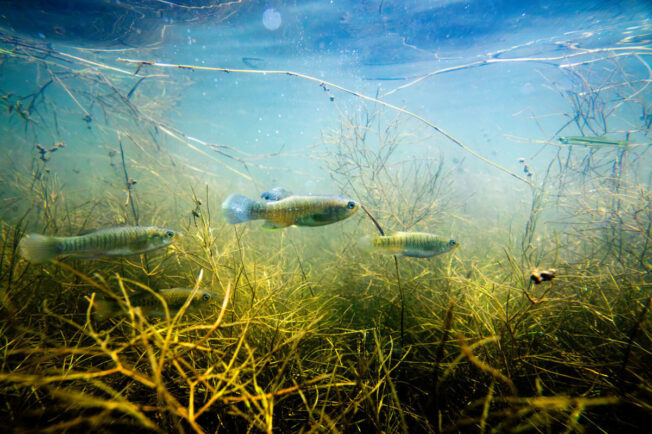
Clean Water
Reduce pollutants entering the Bay and its rivers to achieve the water quality necessary to support aquatic life, wildlife and protect human health.
View goal and outcomes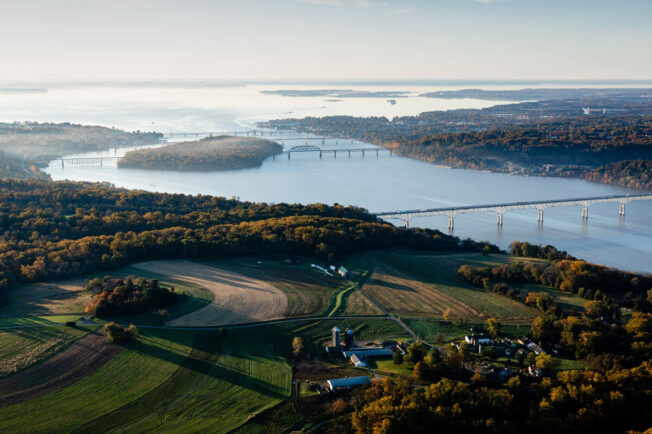
Healthy Landscapes
Conserve, protect, restore and enhance landscapes of ecological, economic, recreational and cultural value to improve water quality, provide habitat for wildlife and increase resilience.
View goal and outcomes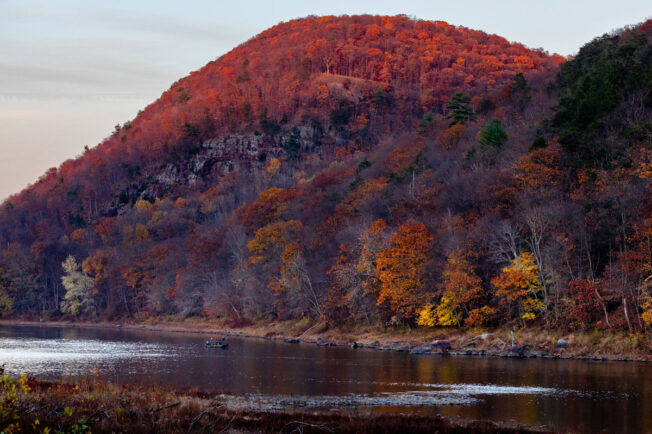
Engaged Communities
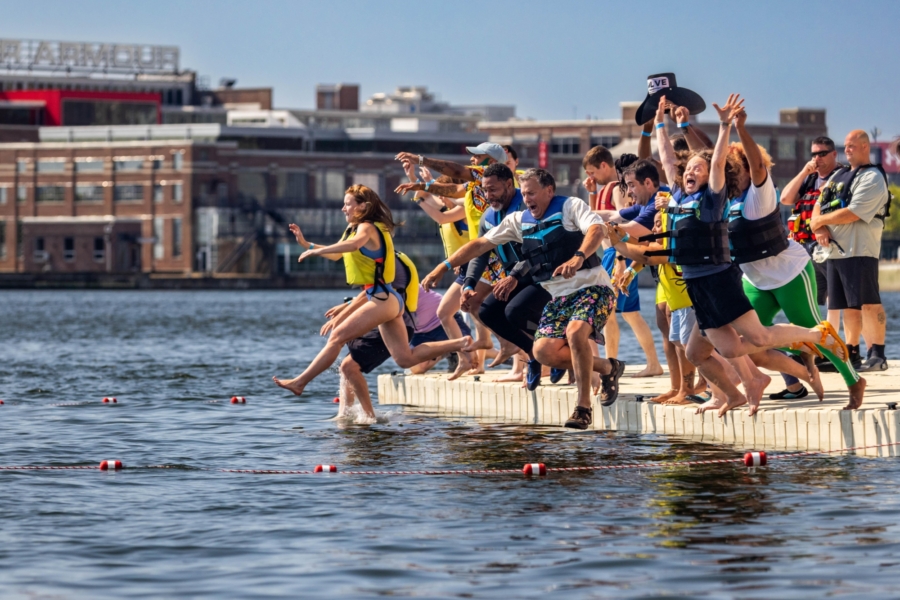
Engage and grow a community of local stewards and leaders through education, recreation and professional opportunities to ensure the long-term success of restoration and conservation efforts.
View goal and outcomes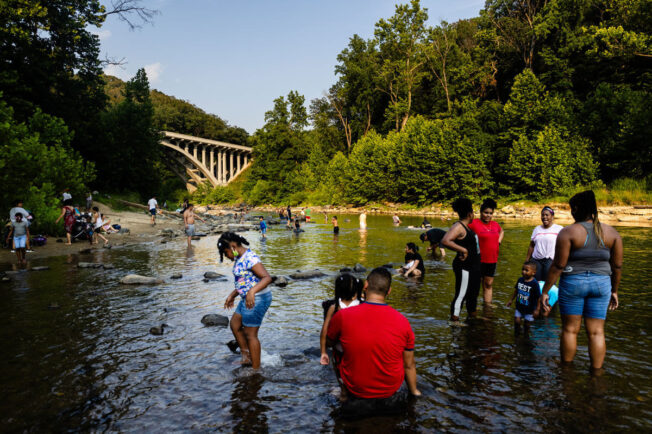
Who signed the Agreement?
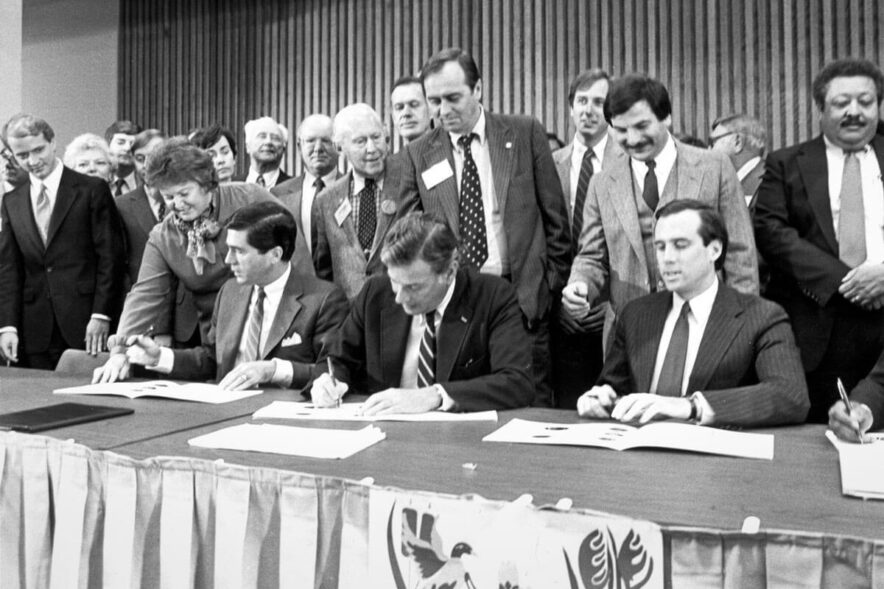
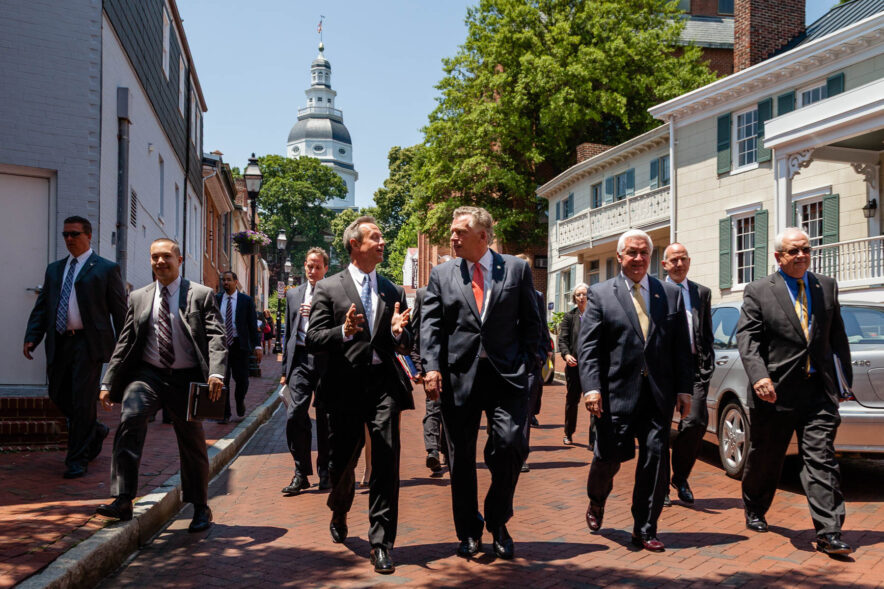
The Chesapeake Bay Watershed Agreement was signed by the governors of Delaware, Maryland, New York, Pennsylvania, Virginia and West Virginia, the mayor of the District of Columbia, the chair of the tri-state Chesapeake Bay Commission and the administrator of the U.S. Environmental Protection Agency (EPA) on behalf of the federal government. Through the Chesapeake Bay Program, these signatories join a network of state and local governments, interstate agencies, federally recognized tribes, academic institutions and nonprofit organizations working to achieve our goals, outcomes and targets.
Because different partners have different priorities, their participation may vary from outcome to outcome. Some partners may share knowledge, data or information. Others may develop legislation. And others may implement programs and practices to restore, conserve and protect land and water.
How has the Agreement changed over time?
Since the Chesapeake Bay Program was established in 1983, several written agreements have guided our work, from a simple, one-page pledge to restore the Bay to the most recent Chesapeake Bay Watershed Agreement revised in 2025. All of these documents emphasize the importance of a collaborative partnership and of treating the watershed as an interconnected system.
1983
On December 9, 1983, the governors of Maryland, Virginia and Pennsylvania, the mayor of the District of Columbia, the chair of the tri-state Chesapeake Bay Commission and the administrator of the U.S. Environmental Protection Agency signed the first Chesapeake Bay Agreement. The simple, one-page pledge established the Chesapeake Bay Program, recognizing a cooperative approach was needed to address the pollution plaguing the Bay.
1987
The 1987 Chesapeake Bay Agreement established the first-ever numeric goals to reduce pollution entering the Bay, aiming to reduce nitrogen and phosphorus loads by 40% over the next 13 years. Agreeing to numeric goals under specific deadlines was unprecedented at the time, but the practice has become a hallmark of the partnership. In 1992, the agreement was amended to target nutrient pollution at its source: upstream tributaries.
2000
Chesapeake 2000 set a clear vision to guide our work through 2010. It established a record-high 102 commitments to reduce pollution, restore habitats, protect living resources, promote sound land use and engage the public in restoration. It also strengthened our partnerships with Delaware, New York and West Virginia, paving the way for these headwater states to commit to our water quality goals and officially join the partnership.
The success of Chesapeake 2000 was mixed. While partners achieved significant gains in certain areas, including land conservation, forest buffer restoration and the reopening of streams to fish migration, limited progress was made toward many other measures, such as increasing oyster abundance and reducing nutrient pollution from agricultural and urban areas.
2014
The original Chesapeake Bay Watershed Agreement established 10 goals and 31 outcomes to restore the Bay, its tributaries and the lands that surround them. The agreement accelerated the pace of restoration and aligned federal directives—such as the Chesapeake Bay Total Daily Maximum Load, established in 2010—with state and local goals for a healthy Bay. For the first time, the headwater states of Delaware, New York and West Virginia committed to goals that reach beyond water quality. This agreement was also the first to include goals related to climate change, environmental literacy and diversity.
2025
The revised Chesapeake Bay Watershed Agreement includes new goals, outcomes and targets related to environmental restoration, protection and conservation. These changes are a result of extensive feedback from partners, stakeholders and residents of the watershed, and are designed to elevate conservation as a key pillar of the program, emphasize measurable, time-bound goals, align our work with the latest science and engage all watershed communities in caring for the Bay.
How can you get involved?
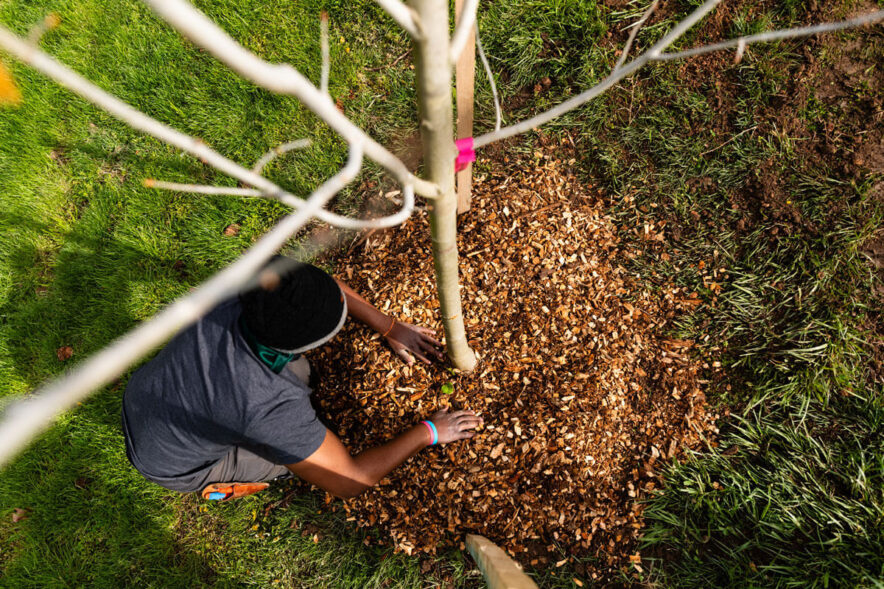
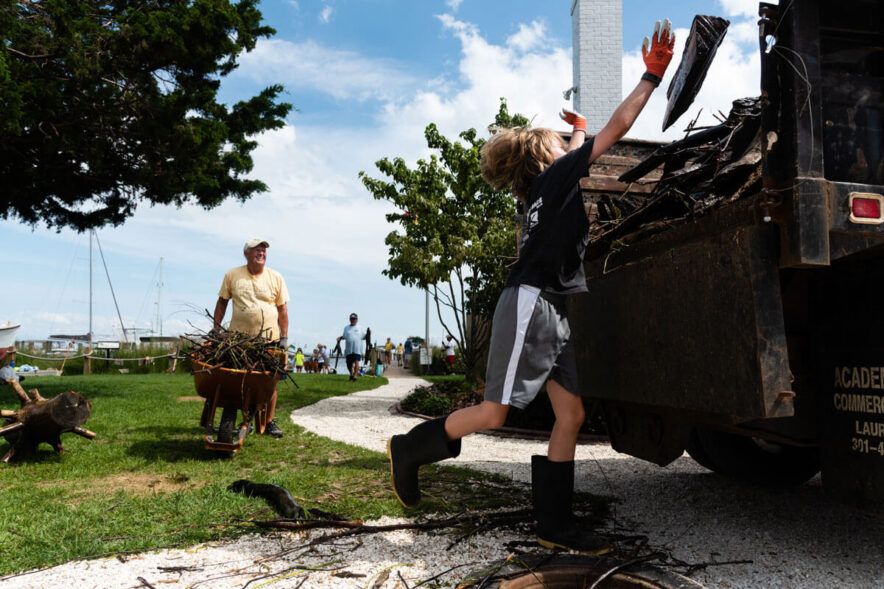
Volunteering with environmental organizations and practicing environmental stewardship will help us achieve the goals and outcomes of the Chesapeake Bay Watershed Agreement. This can include planting native trees, shrubs and flowers on your property, recycling household waste, old electronics, and used vehicles, installing rain barrels and other nature-based solutions for reducing stormwater runoff, and countless other everyday steps to reduce stressors on the Bay.