
A rattlesnake that calls the Appalachian Mountains home
The timber rattlesnake is one of the only venomous snakes found in the Bay watershed
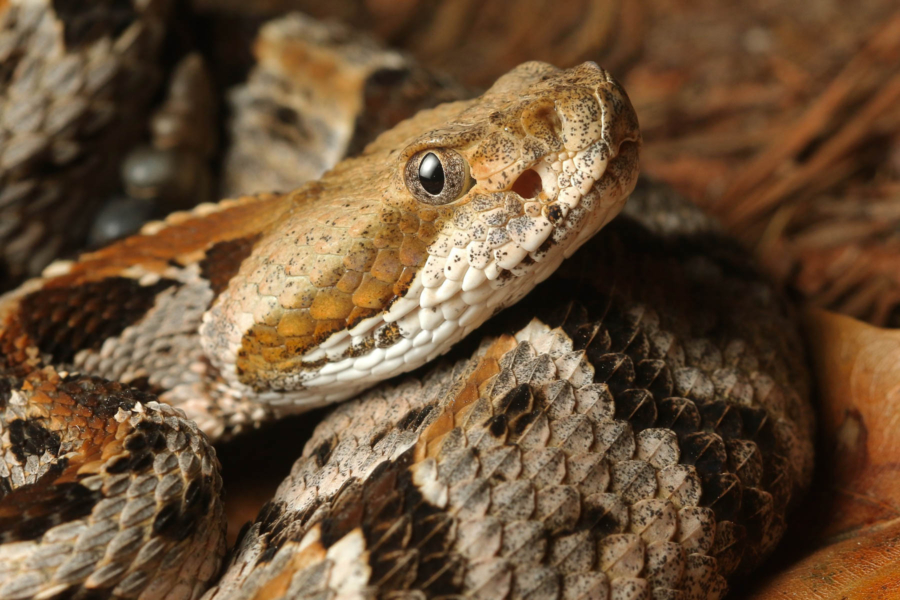
Hearing the word rattlesnake might conjure images of a western diamondback surrounded by cacti in the desert. While old westerns featured these desert icons, the timber rattlesnakes of the East Coast thrive in swamps, riverbanks and forests.
The timber rattlesnake is a pit viper that has a range covering most of the eastern United States. Locals know it by many names, including the black rattlesnake, eastern rattlesnake, timber rattler and canebrake.
Like most rattlesnakes, the timber rattlesnake has a wide, triangular head. Timber rattlesnakes feature a unique chevron pattern that repeats throughout the length of their body with a stripe running from the back of their head to their tails. The coloration of timber rattlesnakes can vary dramatically between two main types known as “yellow phase” and “black phase” with each carrying unique colors. The black phase snake has dark bands against a dark body, and the yellow phase snake has dark bands on a lighter body. Body and band colors vary from snake to snake.
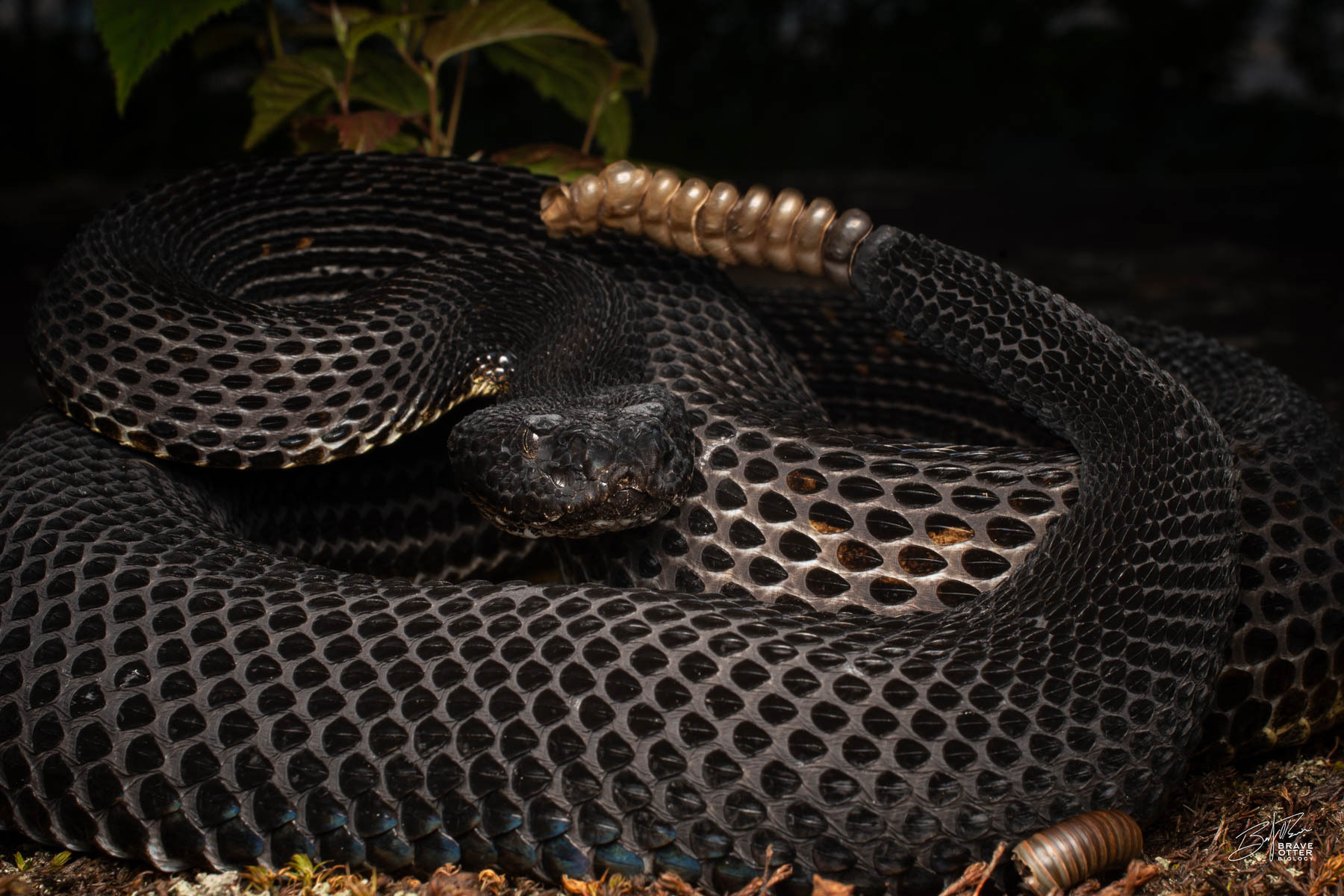
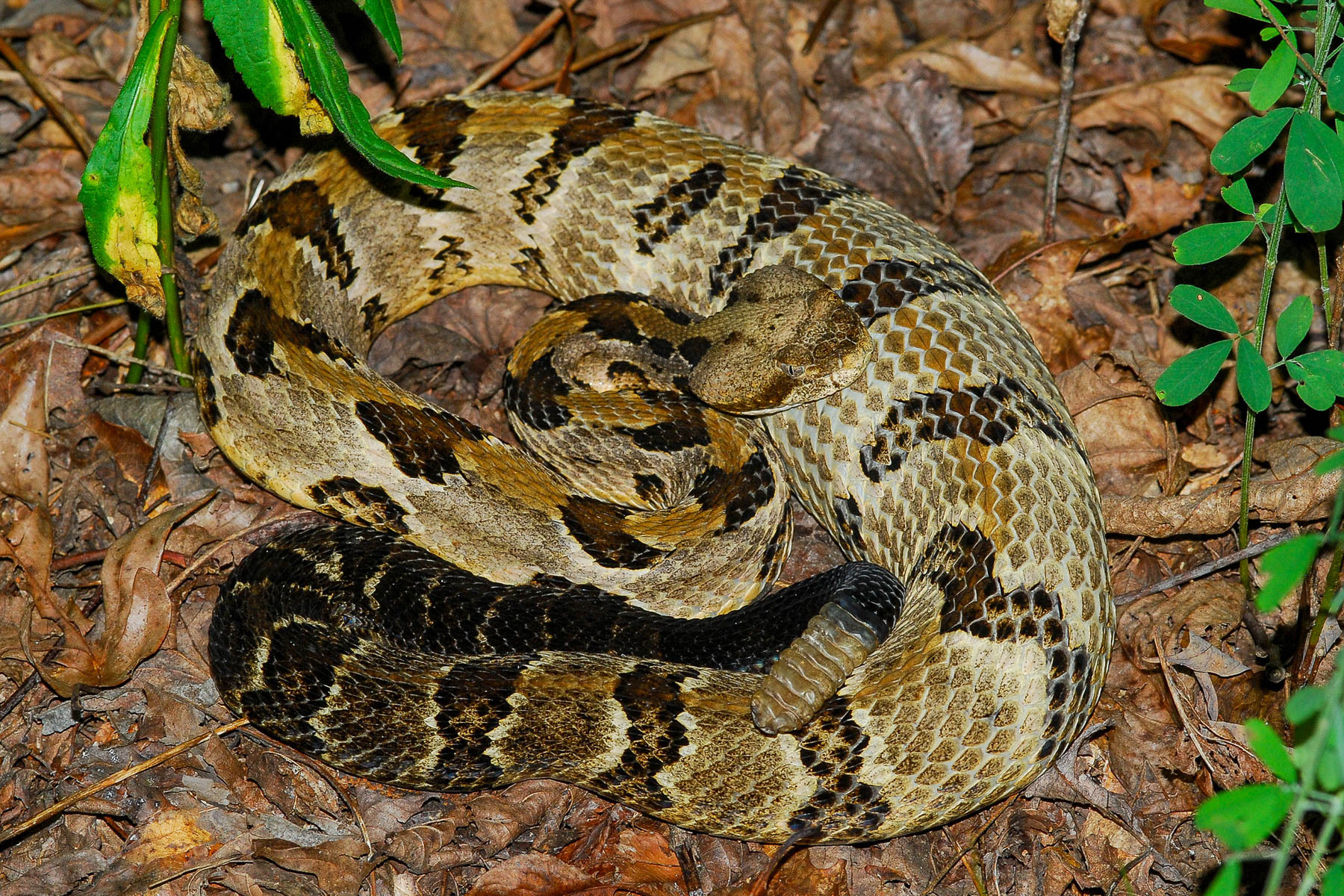
Its most famous feature, of course, is the rattle. The rattle is made up of multiple, interlocking “buttons” fitted on top of each other. When the snake vibrates its tail, these segments strike one another to produce a buzzing sound.
Timber rattlesnakes use the noise from the rattle to warn predators of their presence. In general, the snake prefers to avoid conflict and will retreat when given the opportunity. If you spot one on the trail, give it space and observe it from a safe distance.
Although timber rattlesnakes can live for up to 30 years, females only reproduce three to five times during their lifetime, giving birth to about a dozen live young at a time. Timber rattlesnakes have the odds stacked against them given the time it takes for snakes to reach sexual maturity, a high juvenile mortality rate and habitat loss. Timber rattlesnakes are not listed as endangered at the federal level but have received threatened status from multiple states.
A snake’s rattle might startle you, but spotting a timber rattlesnake actually signals a healthy ecosystem. To protect these unique animals, it is essential to continue to conserve and restore the wetlands, waterways and forests of the Bay watershed.
To learn more about critters that live in and around the Bay, visit our field guide.
Comments
There are no comments.
Thank you!
Your comment has been received. Before it can be published, the comment will be reviewed by our team to ensure it adheres with our rules of engagement.
Back to recent stories