
A small Delaware town reinvents itself around a Chesapeake Bay tributary
Broad Creek is the thriving heartbeat of Laurel
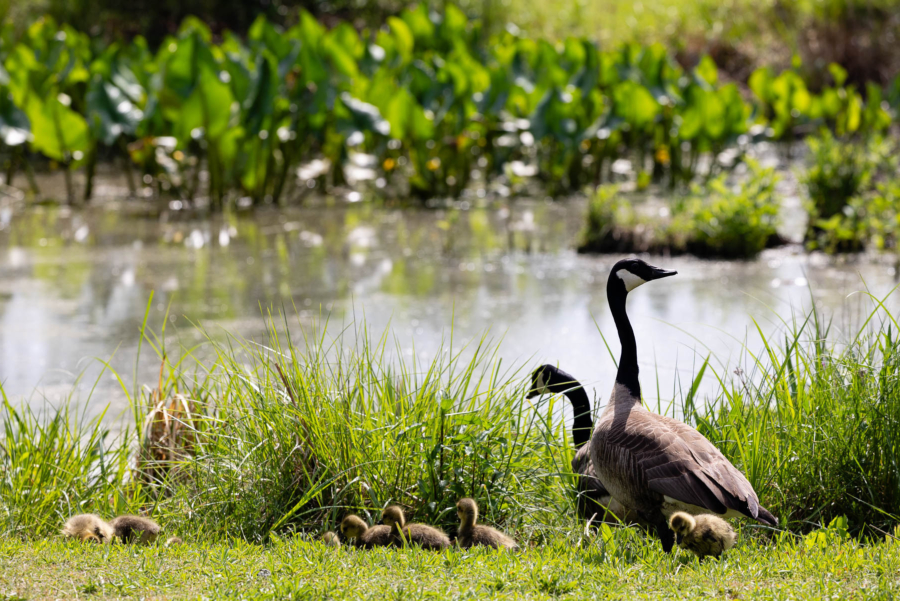
Broad Creek has long been the lifeblood of Laurel, Delaware. Founded in the late 1683, the town soon became a central transportation hub with goods being shipped from the creek, a tributary of the Nanticoke River, all the way down to the Chesapeake Bay. It’s only fitting that several centuries later, the Laurel Redevelopment Corporation (LRC) is making Broad Creek a centerpiece of the community’s future, and is doing so in a way that benefits the Bay.
“The very first meeting we said, ‘what do we have that we can sell to the rest of the world?’” reflected Don Phillips, board vice-president of LRC. “One of the things we have is this Broad Creek. That’s the resource we’ve got.”
Founded in 1991, LRC is a nonprofit dedicated to the revitalization of Laurel. Once a thriving lumber town, Laurel has seen significant economic decline ever since the creation of Route 13, which drew businesses and residents away from the historic town.
As early as 2011, LRC has been working with a wide range of partners to implement a new vision for downtown Laurel that makes the most of its waterfront. Known as The Ramble, this project includes a variety of recreation and business investments, as well as green projects that limit the amount of pollution entering the creek.
An Indigenous playground unlike any other
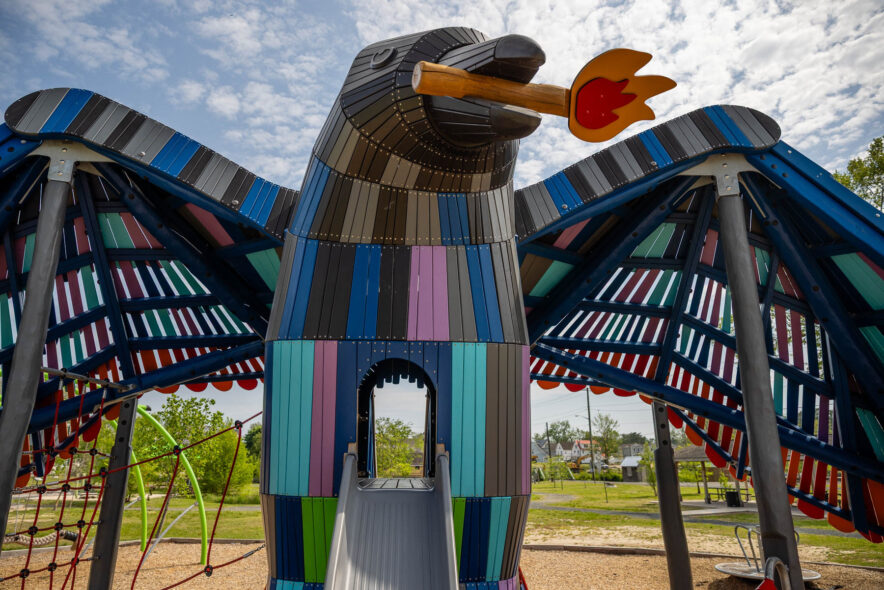
At the center of The Ramble is Tidewater Park—an exciting waterfront greenspace and playground inspired by the area's original inhabitants. With input from the Nanticoke Indian Tribe, the playground features five imaginative playsets that are based on different Nanticoke Indian tribal lore. With QR codes at each set, families can play at Tidewater Park while learning about Nanticoke Indian Tribe heritage and culture.
“There’s not another park like it in the nation that we’re aware of,” said Brian Shannon, LRC’s executive director.
Weaved into the park is a pocket wetland, newly planted trees and a vegetated channel that filters stormwater runoff before it enters the creek.

Waterfront dining and affordable homes
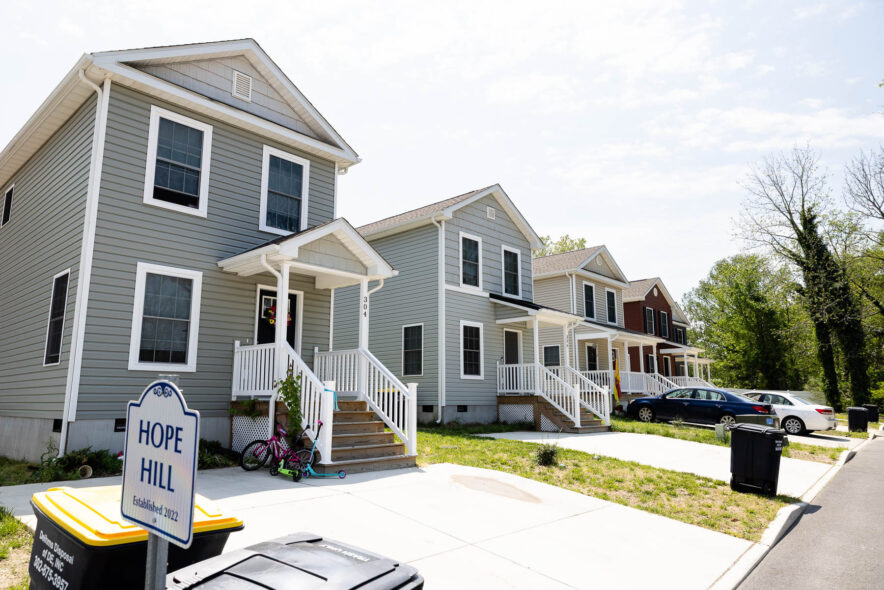
As a nonprofit, LRC owns multiple buildings and parcels of land in Laurel which they have used to bring more residents and businesses to the downtown. The organization transformed an aging building next to the creek, and will soon be leasing the space to Davelli's Bagel Cafe. In 2013, LRC welcomed Abbots on the Creek to a waterfront restaurant that they also helped renovate. LRC has also developed or is in the process of developing both affordable homes and villas on previously abandoned lots, with the goal of attracting new community members to the town.
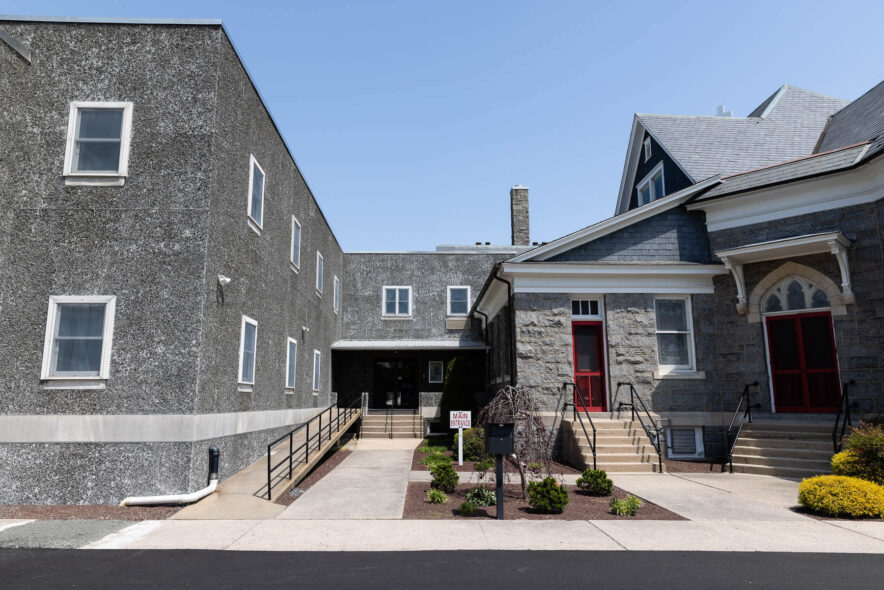
Laurel is also investing in its historic buildings. In 2020, LRC purchased the home of former Delaware Mayor Nathaniel Mitchell, which dates to the 1760s, and restored it with the help of the Laurel Historical Society. LRC says there’s the potential to use the building as an events space, information center and wedding venue. LRC considers its historic architecture a selling point and has worked to restore and preserve other homes and buildings nearby.
“Like with a lot of other towns that were able to reinvent themselves, it’s because they weren’t constantly being redeveloped in the 60s, 70s and 80s,” said Phillips. “We’ve still got old bones that we can build on.”
Kayak, fish and stroll along the creek
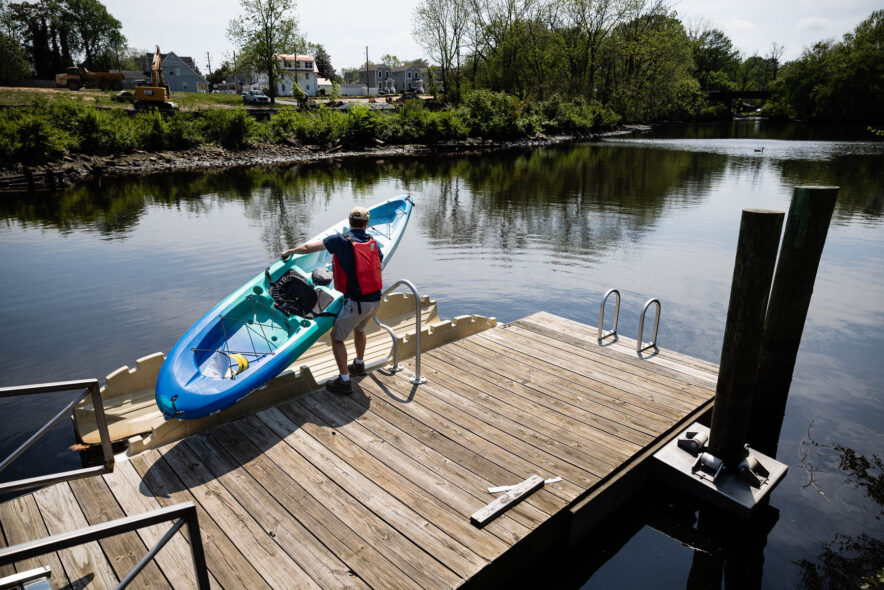
Ultimately, LRC wants community members and visitors to take advantage of Broad Creek’s natural beauty. The organization worked with the Nanticoke Rotary Club to install a kayak launch so people can paddle down Broad Creek. This slow-moving trip offers the chance to see turtles, osprey, bald eagles and some of the East Coast’s northernmost naturally occurring bald cypress trees.
As part of The Ramble, the town of Laurel redid the riverwalk that goes by Tidewater Park, connecting it to an adjacent street. LRC says they will soon be updating a similar path along the creek that runs through Janosik Park. When completed, these walkways will allow people to stroll along Broad Creek as they explore the town.

Bringing it all together
Laurel, Delaware may never become the economic hub that it once was, but the town has already done a lot to reinvent itself and attract both visitors and permanent residents.
Whether it's adding green infrastructure that limits runoff, installing a kayak launch so people can explore the water or giving diners a view of the creek, LRC and its many partners are slowly turning Laurel into yet another small Chesapeake town that’s worth the visit.
“We’re doing our best to make a difference for Laurel and Broad Creek,” Shannon said.
Comments
There are no comments.
Thank you!
Your comment has been received. Before it can be published, the comment will be reviewed by our team to ensure it adheres with our rules of engagement.
Back to recent stories