
Eastern Shore park begins its transformation into a grassland bird refuge
Once slated for development, Oxford Conservation Park is open to the public
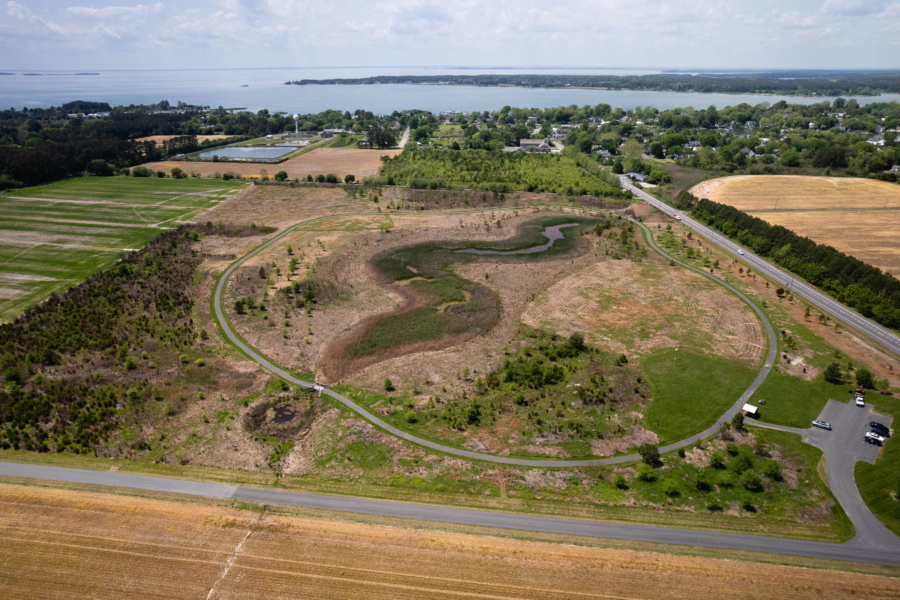
About a mile from the banks of the Tred Avon River is a peaceful park that’s perfect for walking the dog or taking an outdoor stroll. But what the average visitor might not know is that Oxford Conservation Park is a collaborative project aimed at restoring habitat for the Eastern Shore’s fabled grassland birds.
The project started in 2012 when The Conservation Fund and a private donor purchased the property before it could be turned into a housing development.
“A couple years later they sold it to Talbot County with the condition that they develop and open it as a public park,” said Larisa Prezioso, an enhanced stewardship manager with the Eastern Shore Land Conservancy (ESLC).
The park was opened in 2017, though over the years not much was done to diversify the plant life or create habitat for wildlife. Historically, the Eastern Shore has had a plethora of “successional habitat,” which are areas transitioning from bare ground to a mature forest. Grassland birds like sparrows, meadowlarks and bobwhite quail seek out this habitat, using the shrubs and young trees to lay their nests and hide from predators.
But because Oxford Conservation Park was most recently a farm, the area no longer had the right mix of plants growing.
“It wasn’t being maintained as an early successor habitat type,” Prezioso said.
Around 2022, a birding group known as the Friends of Oxford Conservation Park reached out to ESLC to see if they could help enhance the wildlife habitat. ESLC helps manage the conservation easement that keeps the property from being developed, and is connected with various partners who specialize in grassland bird habitat.
“We were like, ‘yes, of course we can help,” Prezioso said.
To start the project, ESLC brought in Dan Small of Washington College’s Natural Lands Project. For nearly a decade, Small has been restoring successional habitats on both former and existing farmland, planting native grasses and shrubs and using controlled burns to thin out larger trees that block these plants from coming up. With funding from Talbot County Parks and Recreation and the Maryland Department of Natural Resources, Small drew up a plan to overhaul parts of Oxford Conservation Park.
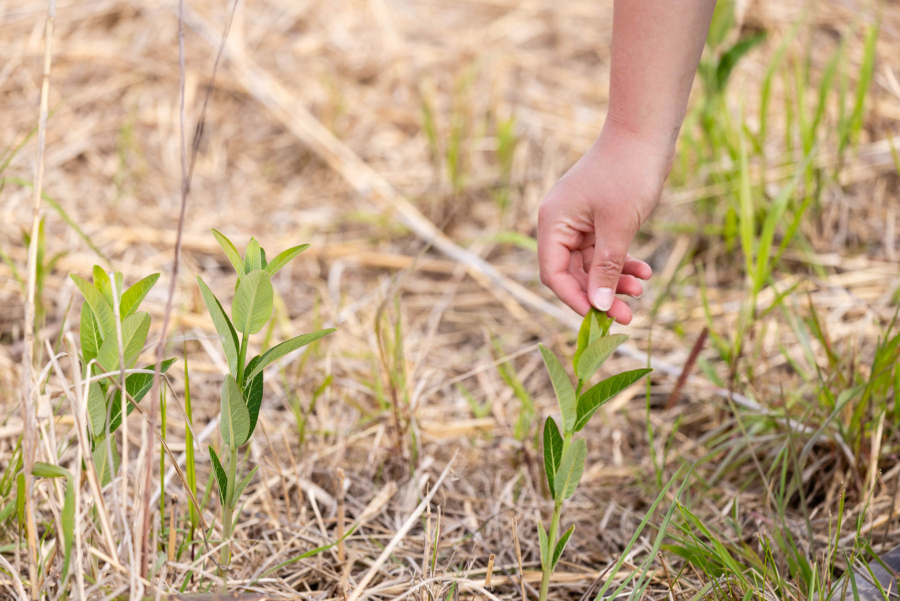
Restoration kicked off in spring 2024. Volunteers from Friends of Oxford Conservation Park, along with members of ESLC and the Natural Lands Project, removed loads of invasive plants and replaced them with the type of plants you’d find in a grassland habitat. Prezioso said they followed “the rule of three”— planting warm season grasses, wildflowers and shrub cover. Instead of mowing over the undesired vegetation, Small and his team conducted a controlled burn, which simulates natural wildfires that actually help fertilize the seedbank and improve the health of the soil.
“Burning is kind of like the standard that we try to replicate with things like mowing,” Prezioso said.
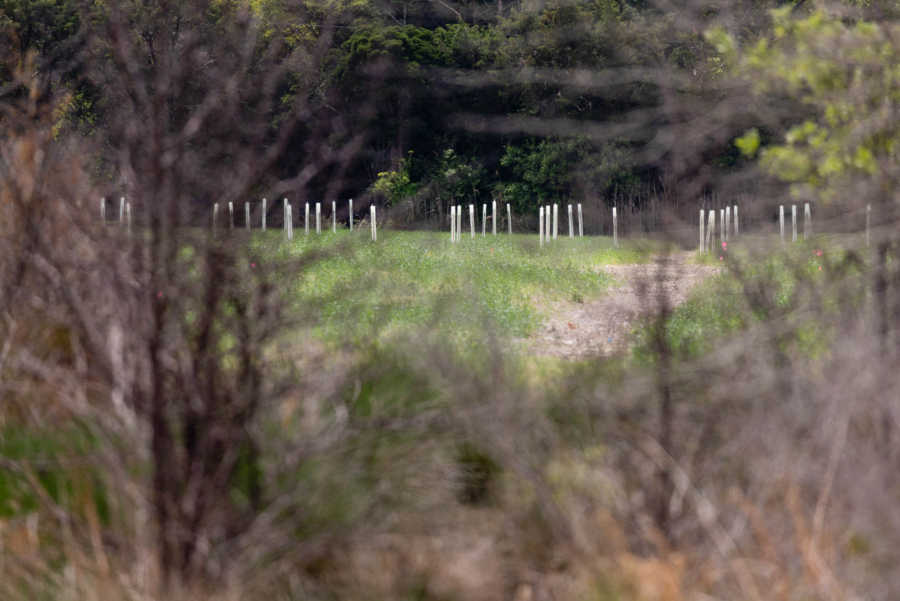
The next year, in spring 2025, ESLC restored 24 acres of meadow and forested 6 acres of farmland. For this tree planting, the organization utilized funding from the Chesapeake and Atlantic Coastal Bays Trust Fund. While grassland birds might not seem relevant to oysters and blue crabs, projects that enhance the quality of the land or introduce healthy forests help to soak up stormwater runoff that would otherwise enter the water. Oxford Conservation Park is bordered by two creeks of the Tred Avon River as well as the river itself.
“We’re basically surrounded by water even if you can’t see it,” Prezioso said.
Collectively, the grassland and forest habitat is still being established, and is far from the bobwhite quail refuge of the past. Still, the restored grasslands, freshly planted trees and bird boxes are attracting more birds to Oxford Conservation Park than before.
“I once counted 33 bird species when I was out here,” Prezioso said.
Over the long term, ESLC and its partners will maintain the habitat through new plantings, invasive plant removals and potentially controlled burns. Not all of the property is grassland: in addition to the newly planted trees and meadow habitat, there is a wetland being preserved and another section that is being left to grow into a mature forest. Prezioso said that having a mix of habitat types is important, though the main section of the park will continue to be grassland habitat.
“We wanted to keep it as grassland because it’s needed so badly,” Prezioso said.
Comments
There are no comments.
Thank you!
Your comment has been received. Before it can be published, the comment will be reviewed by our team to ensure it adheres with our rules of engagement.
Back to recent stories