
Eco-friendly landscaping business gives returning citizens a fresh start
RiverSmart program connects the community to the watershed to help combat stormwater pollution
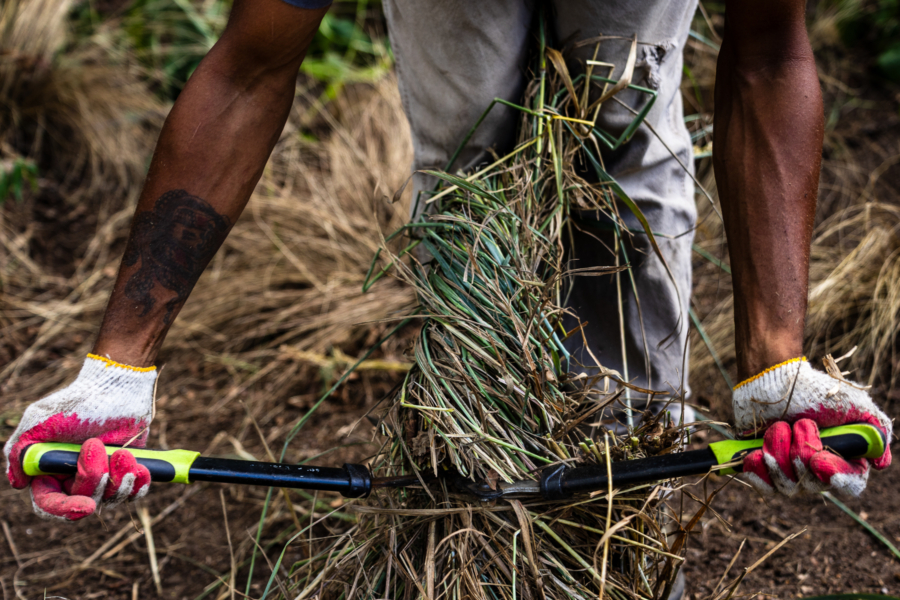
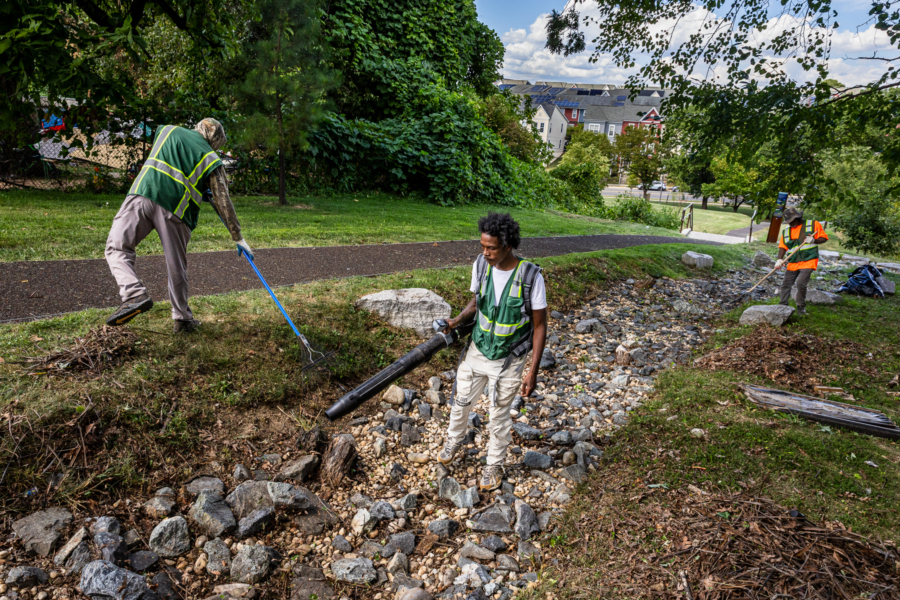
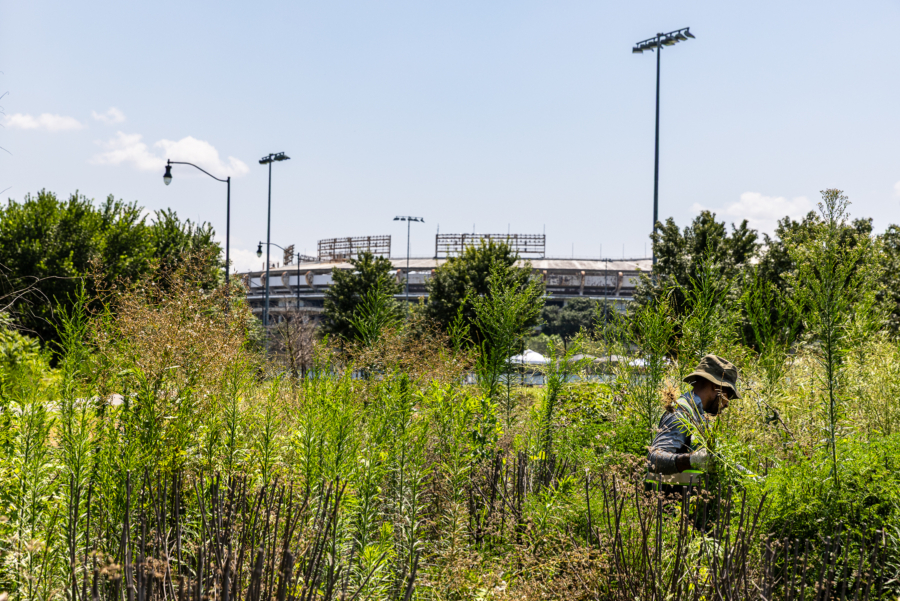
Under the heat of the sun in Southeast Washington, D.C., Earl Charles stands side-by-side with his field crew as they remove non-native plants and excess vegetation from a rain garden at Woody’s Ward Community Center.
Charles is the owner and founder of Ancient Greene, a landscaping business that maintains a variety of green infrastructure projects throughout the Anacostia River watershed and Washington region. And most of Charles’ employees, like himself, have returned from incarceration and found careers providing services that are necessary for the region to meet its environmental goals.
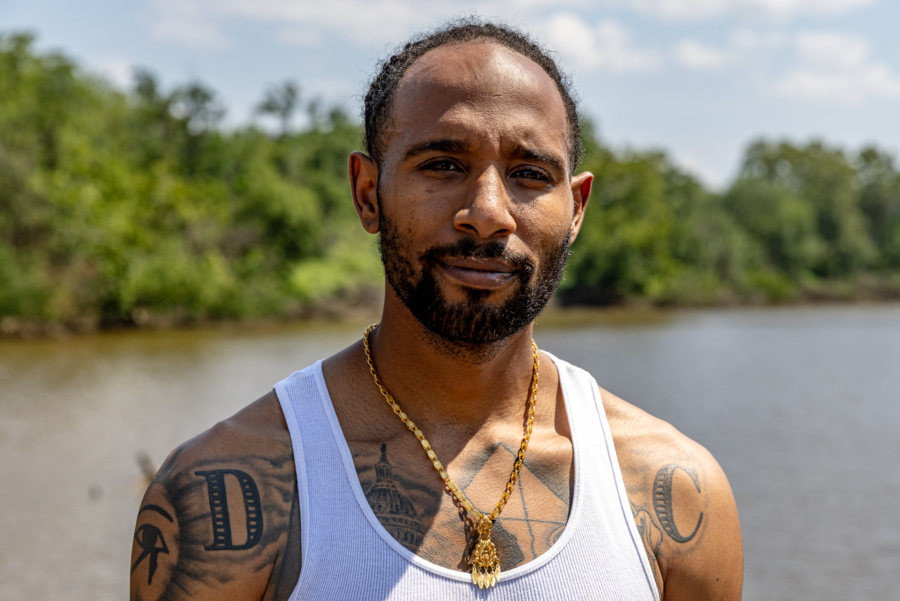
Ancient Greene has partnered with the Alliance for the Chesapeake Bay to install and maintain rain gardens, native plant gardens and other forms of green infrastructure through D.C.’s RiverSmart and Green Stormwater Infrastructure (GSI) Maintenance Program. Ancient Greene is one of the many organizations helping the Alliance to reduce stormwater runoff through green infrastructure, which is one of the leading causes of pollution in the Chesapeake Bay.
When starting Ancient Greene, Charles was inspired by the cultivation of the environment from the ancient Egyptians, who were known for their innovative practices. As a lifelong D.C. resident, he now has the ability to show that same level of dedication to landscapes within his hometown.
“When I was thinking of landscaping, I was thinking of ancient civilizations and the way they grew from the land,” Charles said. “It feels awesome because at the end of the day, what I'm doing is I'm trying to keep life on Earth.”
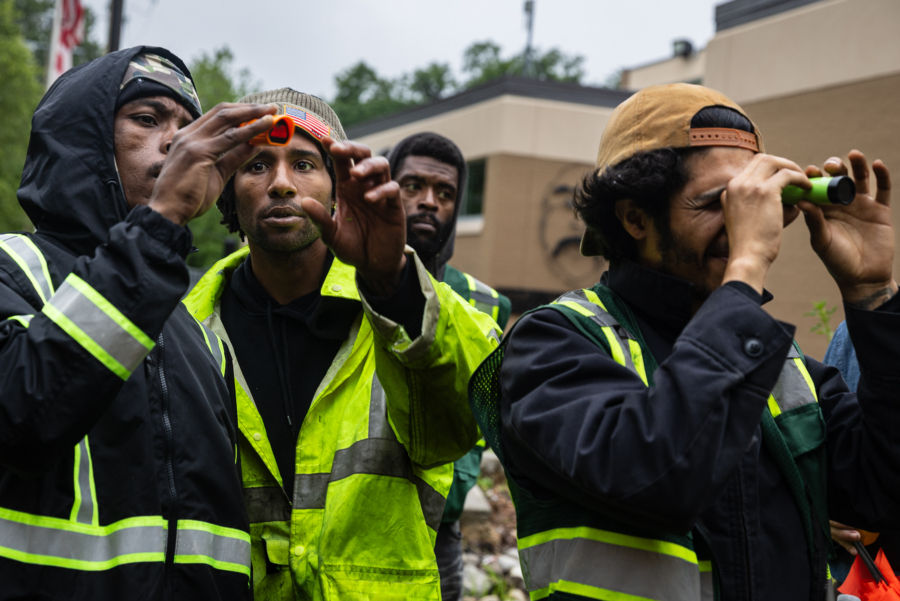
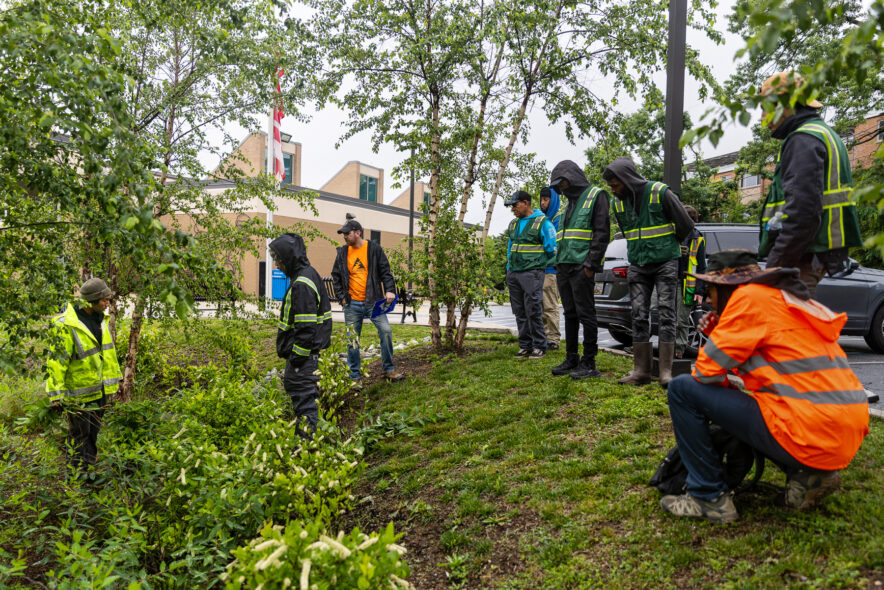
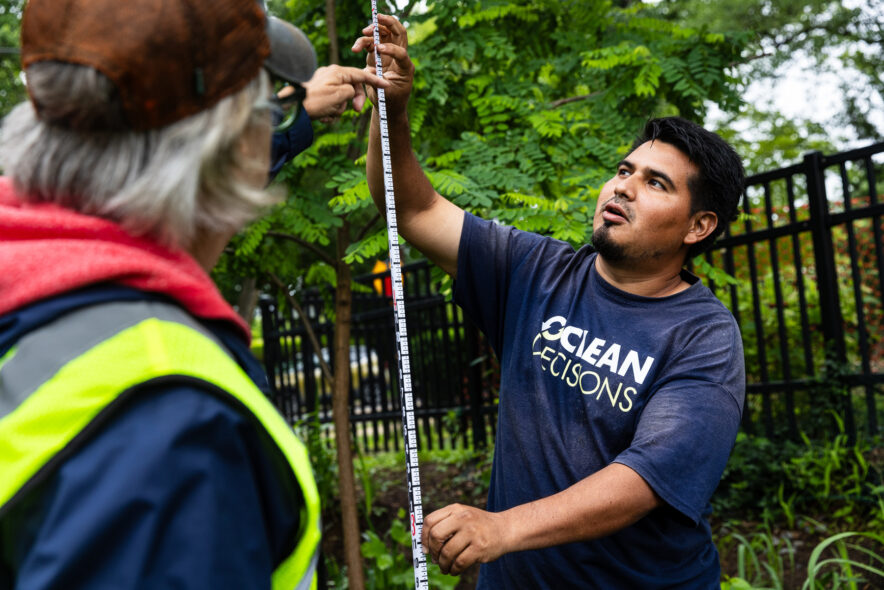
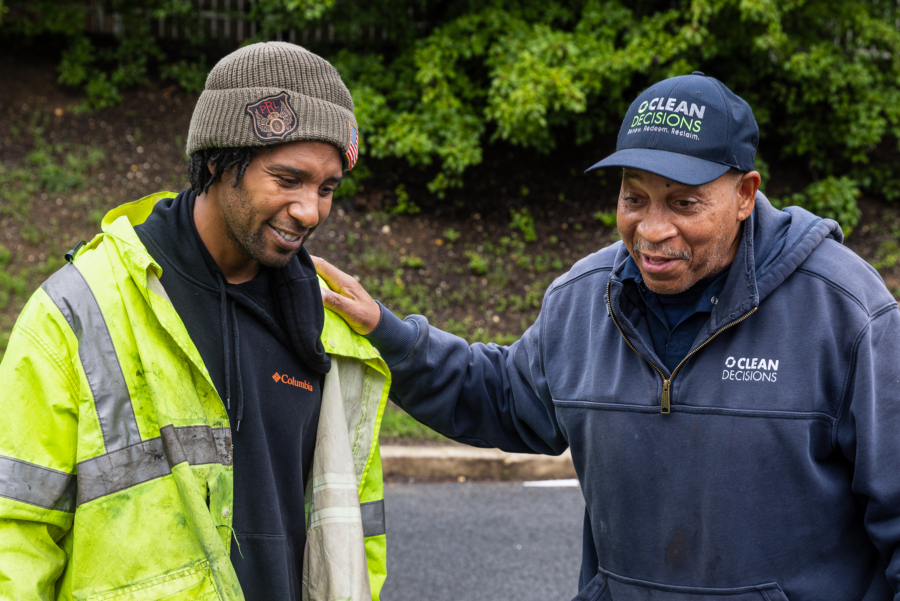
Charles got his start in green infrastructure maintenance when he was first employed by Clean Decisions, an organization owned and operated by returning citizens that provides employment, housing and mental health resources.
As a returning citizen himself, Charles felt like he had two paths he could take after being released from prison: to become a better person or a better criminal. “So, I came out a better person, of course,” Charles said. After working with Clean Decisions, Charles decided to branch off and start a new chapter. “I started Ancient Greene from nothing and now I can say we have over 12 people hired.”
Meeting needs
Due to the lack of resources, many returning citizens face unemployment and homelessness as they try to find a career and get reestablished in their communities.
“That comes from not having a living space, not being able to pay bills. You can't get a job. You need money!” Charles said. “I understand some people have to do what they have to do to survive. I don't judge any man on how he makes his money. I'm judging by how he takes care of his family.”
Similar to Clean Decisions and Ancient Greene, the RiverSmart and GSI programs are designed to offer D.C. residents and returning citizens training and job opportunities. These options not only provide returning citizens with work, but they give them a network of peers who understand their needs and can provide help when it is needed. Charles emphasized that Ancient Greene is like a family—they look out for one another, work together and approach every project like a team.
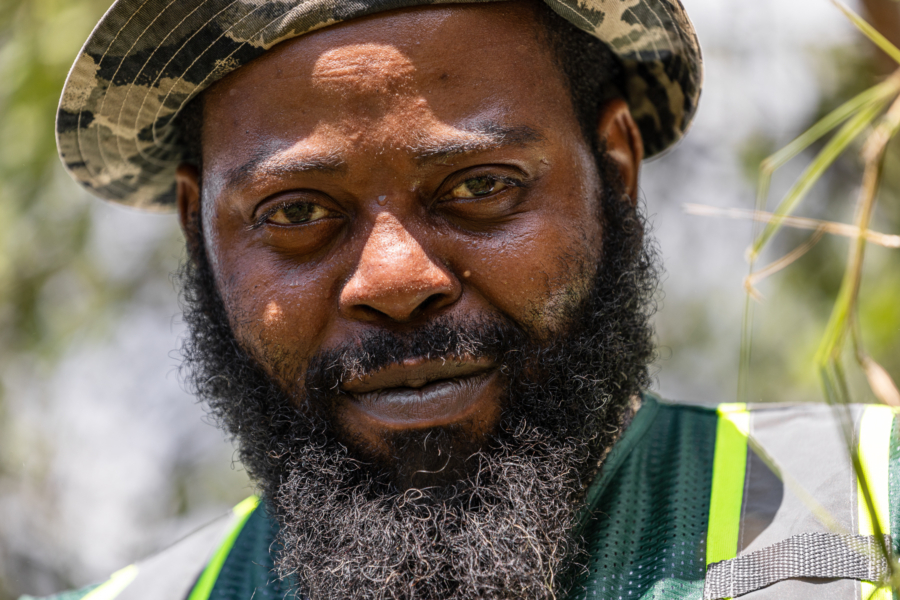
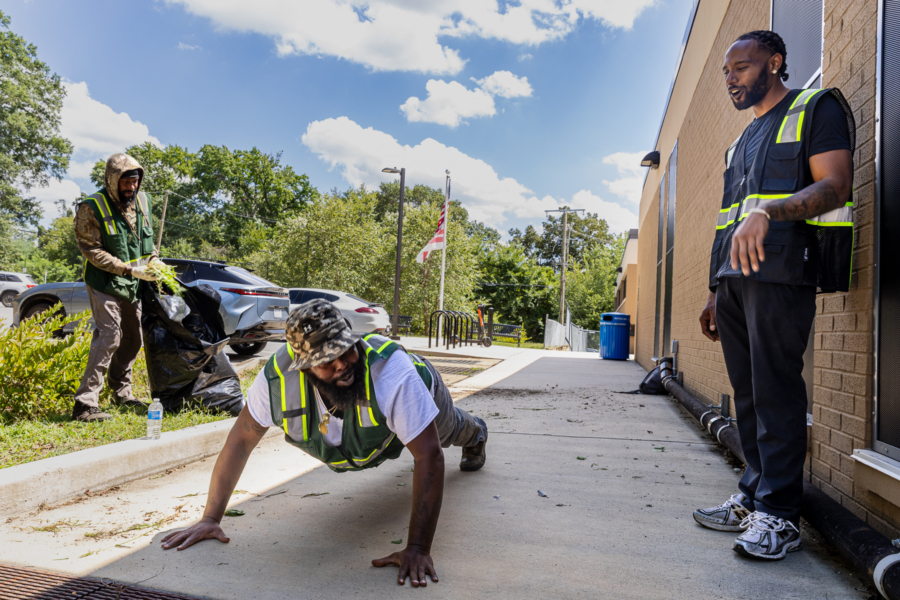
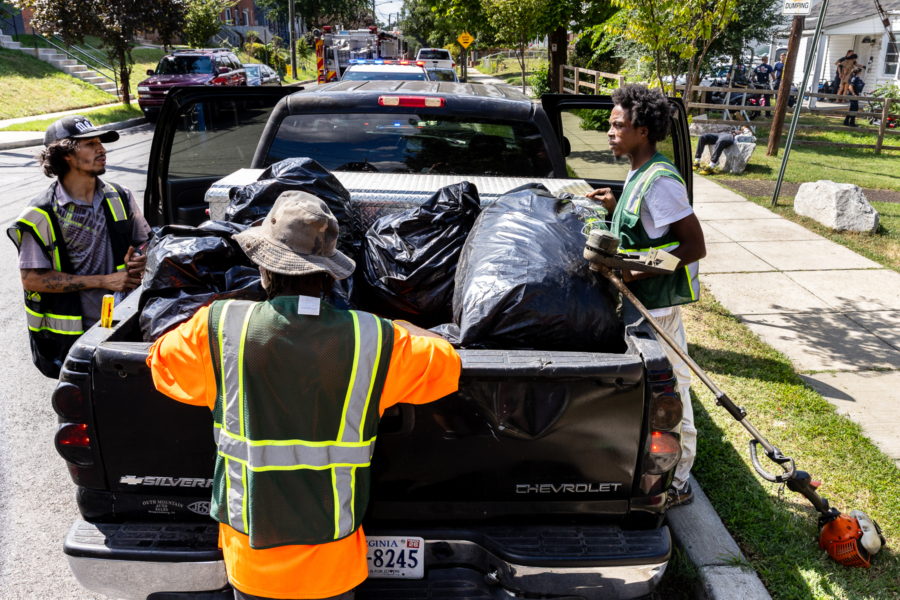

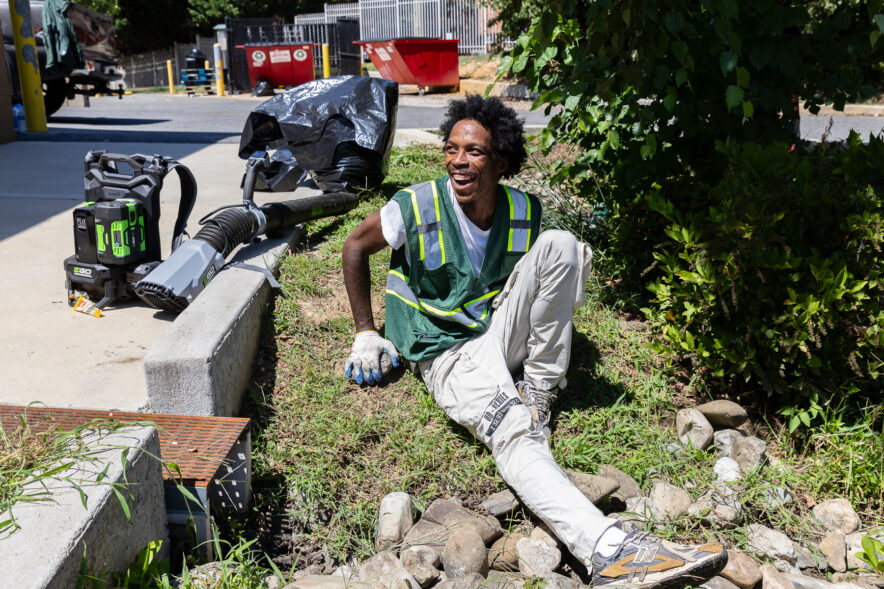
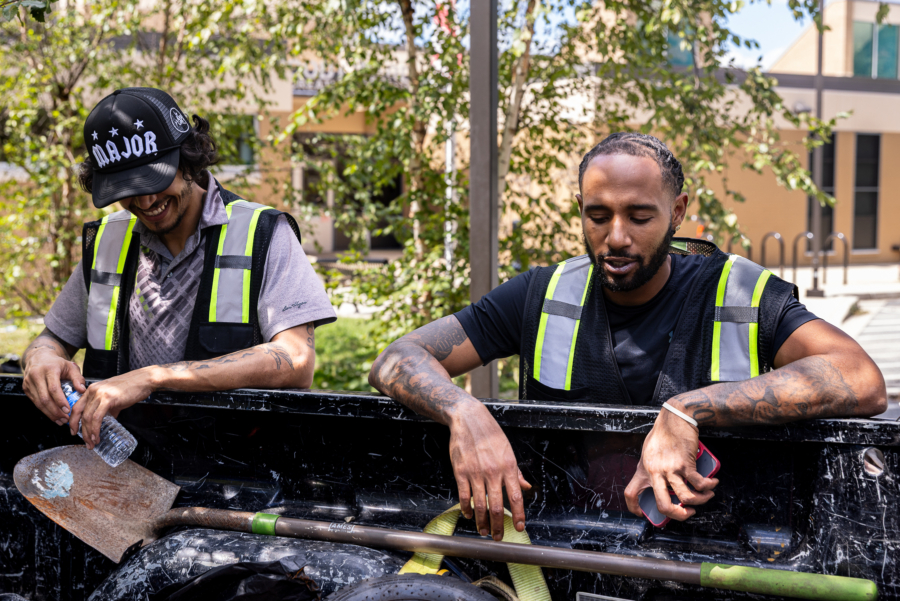
Growing up, Charles was surrounded by sterile, concrete landscapes—not the type of gardens or greenspaces he now provides. When neighborhoods are dominated by roads, parking lots and large developments, untreated stormwater builds up and washes into streams and rivers. These neighborhoods are often hotter than less developed areas and have poorer air quality. By installing green infrastructure, Ancient Greene is helping to mitigate these problems and improve the health of D.C.’s rivers.
“We make sure the neighborhood knows what's going on, and we talk and educate them,” Charles said. “I see the transition and I see where it's going; I want to play a big part in it.”
Through the RiverSmart program, homeowners pay fees that are a small part of the total cost to install rain gardens, rain barrels, shade trees and other forms of green infrastructure. The benefits extend from participants' homes, to their community, including the professionals like Charles and his staff, who have found purpose doing the work.
“The gardens that we put in here, the maintenance, the things the water is doing as far as proper groundwater filtration, it's getting straight back to the Anacostia,” Charles said. “It's giving life to us whether we know it or not.”
Comments
There are no comments.
Thank you!
Your comment has been received. Before it can be published, the comment will be reviewed by our team to ensure it adheres with our rules of engagement.
Back to recent stories