
Six plants to make you fall in love with wetlands
Wetlands across the Chesapeake region are filled with interesting plants and wildlife
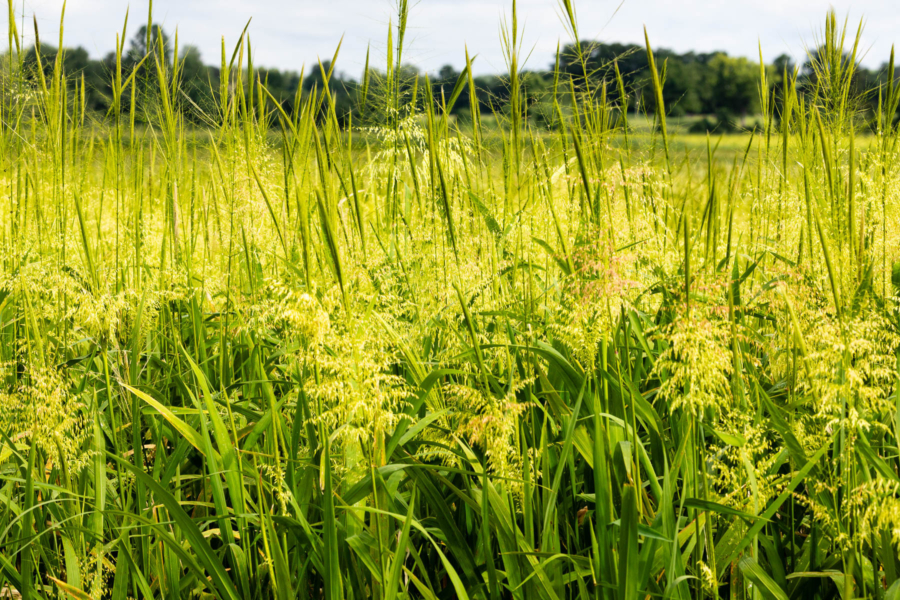
Wetlands are some of the Chesapeake Bay’s most important habitats, providing food and shelter for wildlife, filtering polluted runoff and helping reduce flooding. Found in both tidal and non-tidal areas, these landscapes are made up of a diverse mix of native plants specially adapted to thrive in wet conditions. From towering trees to dense grasses, each plant plays a unique role in supporting local wildlife.
Here are six to know before your next trip to a Chesapeake wetland.
Wild rice
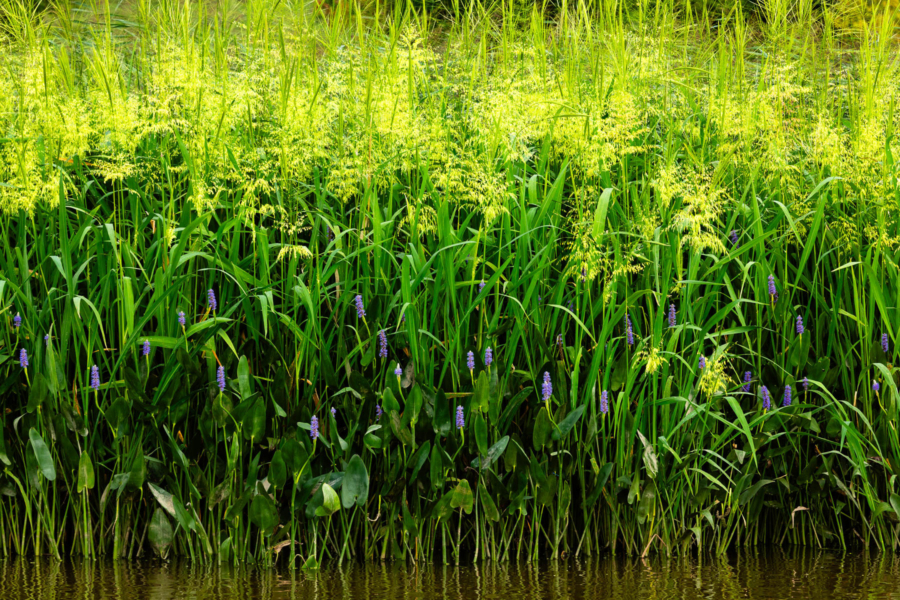
In the summertime, the sight of wild rice’s feathery flowers can fill acres of marshland at parks like Jug Bay Wetlands Sanctuary. By fall, the seeds are an essential food source for a wide variety of migratory birds including waterfowl and grassland birds. Wild rice is also an important plant for many Native American tribes which have a long history of using the rice seeds in a variety of dishes. Wild rice grows throughout freshwater marshes of the Chesapeake region.
Cattails
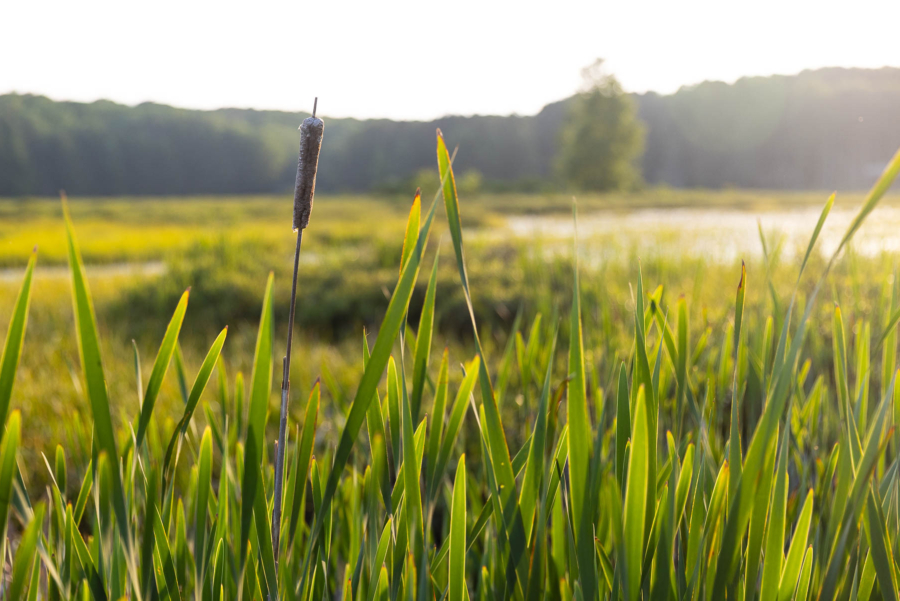
Cattails are most recognized for the brown sausage-shaped seed heads that form in the fall. Cattails provide food and shelter for a variety of animals including waterfowl, songbirds and small mammals. Muskrats use the leaves from cattails to make dome-shaped lodges. Cattails also have a long history of being used by Native Americans for food and building materials. The underground tuber, young shoots, pollen and young seed heads are all edible. Additionally, the leaves and stalks can be woven for baskets and buildings. Cattails often grow in dense stands, filling roadside ditches, lake and pond borders and marshlands.
Arrow arum
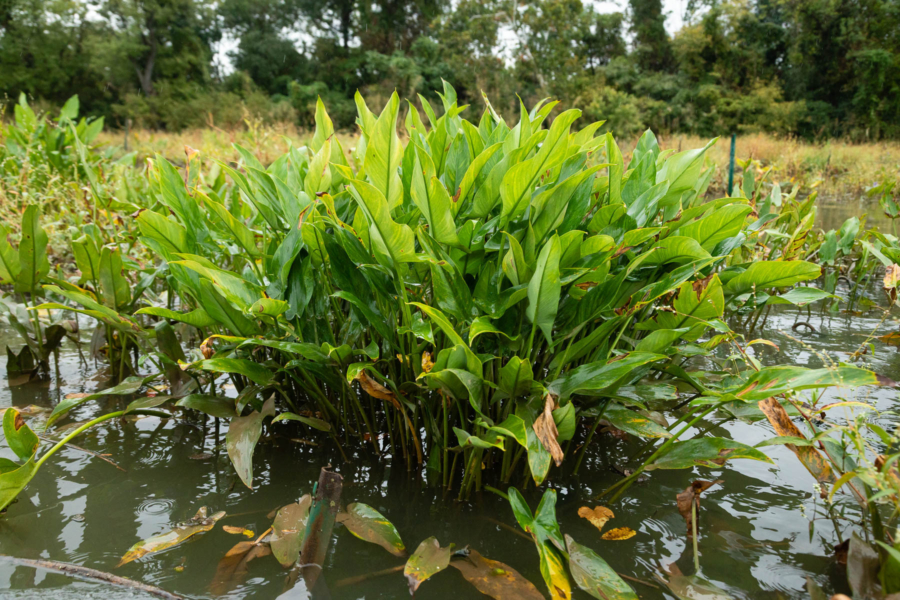
Arrow arum is a 3-foot-tall plant that grows in freshwater and tidal environments. This plant was named for its large arrow-shaped leaves that grow on top of tall stems. Arrow arum is an important food source for rails, muskrats, wood ducks and black ducks. Its seed pods have traditionally been harvested by Native Americans to be ground into flour.
American lotus
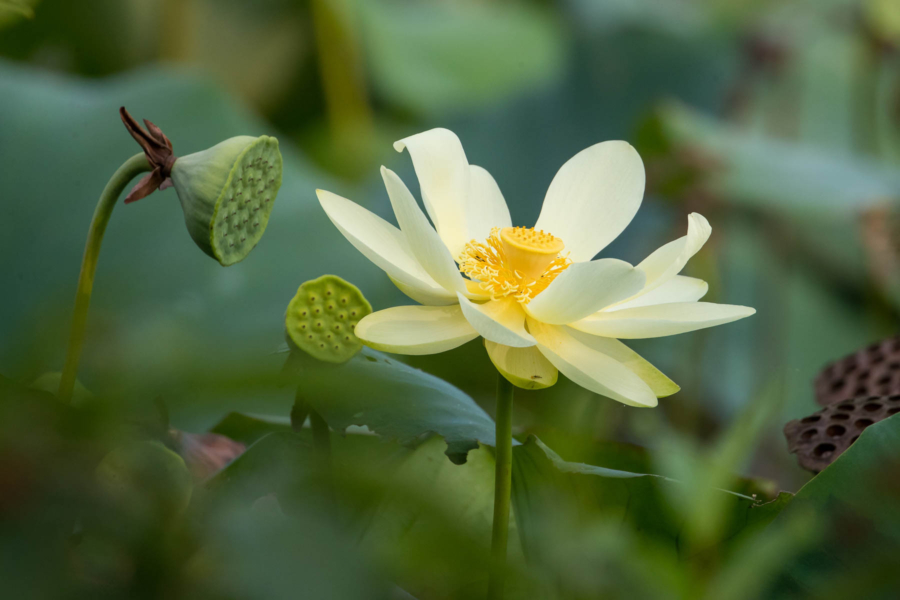
One of the largest native flowers in North America, the American lotus can be easily recognized by its buttery-yellow flowers. The plant also has waxy large round leaves and distinctive seed pods. The large seeds are eaten by waterfowl and the leaves are eaten by mammals including muskrats and beavers. The roots, leaves and seeds are all edible. This and other lotus varieties can be seen every summer at the Kenilworth Park & Aquatic Gardens.
Jewelweed
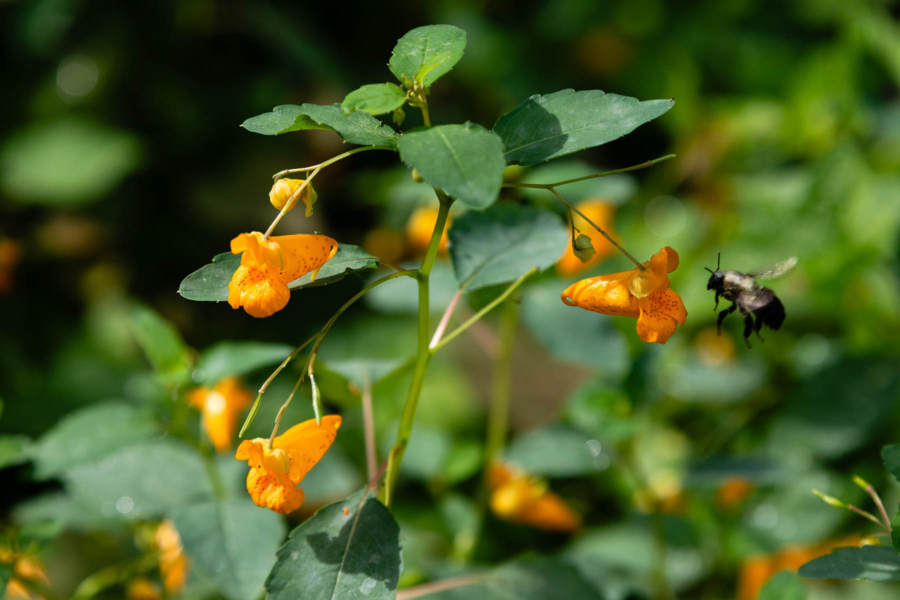
Jewelweed is a native annual plant that can grow up to five feet in height and is covered with bright orange, trumpet-shaped flowers in the summer and early fall. Jewelweed is a critical source of food for ruby-throated hummingbirds during their annual migration as the flower’s nectar contains up to 40% sugar. The flowers also attract swallowtail butterflies, flies, wasps and bees. The plant is commonly known as touch-me-not because the seed pods will split open and propel seeds away from the plant if touched. Northern bobwhites, ruffed grouse and small mammals eat the seeds. Jewelweed has a long history of being used to relieve skin irritation from poison ivy and insect stings.
Bald cypress
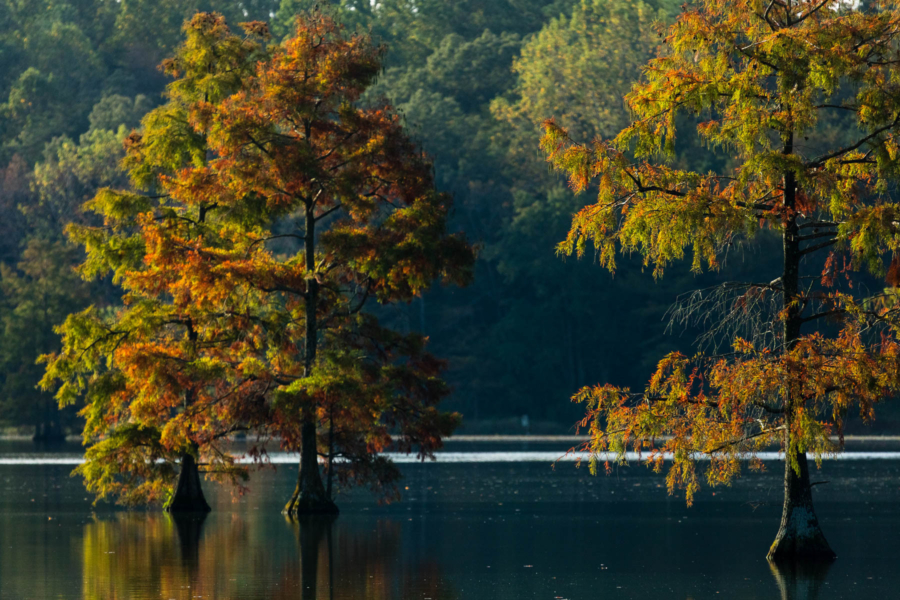
These striking trees can live for hundreds of years. Bald cypress trees are native to the southeastern United States and are well-adapted to growing in wet soil and standing water. These trees have a widened trunk and “knees” which are parts of the root system that rise from the soil and water surrounding the tree. Bald cypress trees are deciduous conifers that are covered in needle-like leaves that turn bright colors in the fall. The seeds are eaten by wild turkey, wood ducks, evening grosbeak, waterbirds and squirrels. Bees, wood ducks and barred owls nest in hollow trunks. Raptors like bald eagles and osprey nest in the trees. Trap Pond State Park has one of the northernmost stands of bald cypress trees in the United States.
Explore our field guide to learn more about the plants and animals that inhabit our marshes and wetlands.
Comments
There are no comments.
Thank you!
Your comment has been received. Before it can be published, the comment will be reviewed by our team to ensure it adheres with our rules of engagement.
Back to recent stories