
Chesapeake plants have deep roots in Indigenous knowledge
Rappahannock tribal chief shares her wisdom on native plants
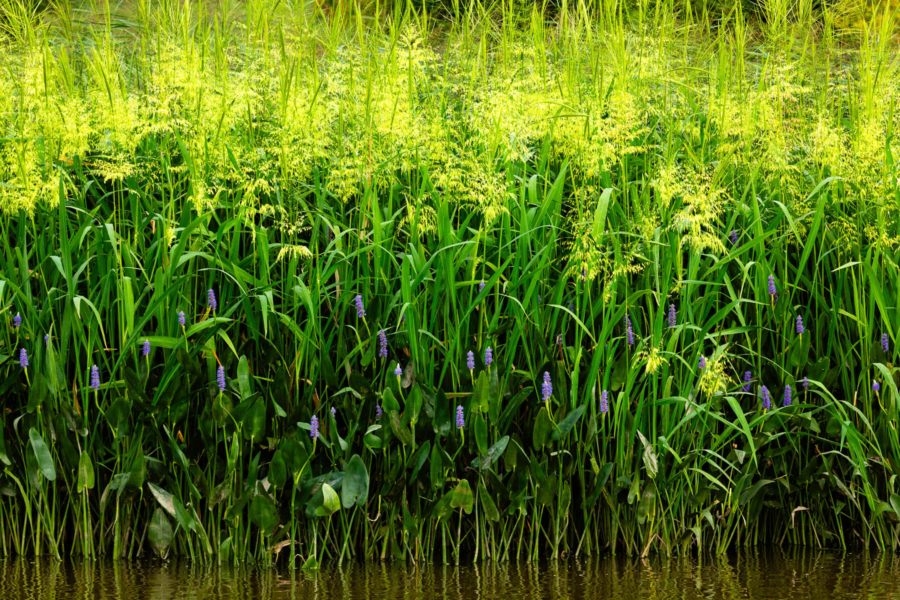
In recent years, many people have discovered the joy of gardening with native plants in order to create backyard habitat for wildlife—seeds for birds and mammals, pollen for bees and stems for a variety of insects. Some have even planted or foraged a favorite edible native treat, like blueberries or ramps. But fewer still might grasp the breadth of uses that Indigenous peoples have found for plants of the Chesapeake Bay watershed.
Since the 1970s, the Native American Ethnobotany database has catalogued nearly 45,000 uses for over 4,000 native plant species, ranging from “drugs, foods, dyes, fibers, and more.” The Rappahannock Indian Tribe in Virginia, for example, has 150 uses documented in the database, including edible species as well as many with medicinal value.
“Today, people are seeking that knowledge because they prefer natural ingredients to address the root causes of diseases rather than treating just symptoms and exposing their bodies to man-made chemicals with unknown side effects,” said Rappahannock Chief Anne Richardson. According to Richardson, many plants associated with the Rappahannock River “were either keystone food sources, used for medicine, or used for weaving or construction.”
Whether you’re looking for food, medicine or raw material for a new craft, finding additional uses for your favorite plant species is surprisingly easy. Chances are good that there are several that have been documented. Below are some additional plants and their indigenous uses, to serve as a mere introduction to the important relationship between people and plants in the Chesapeake Bay region.
Wild rice
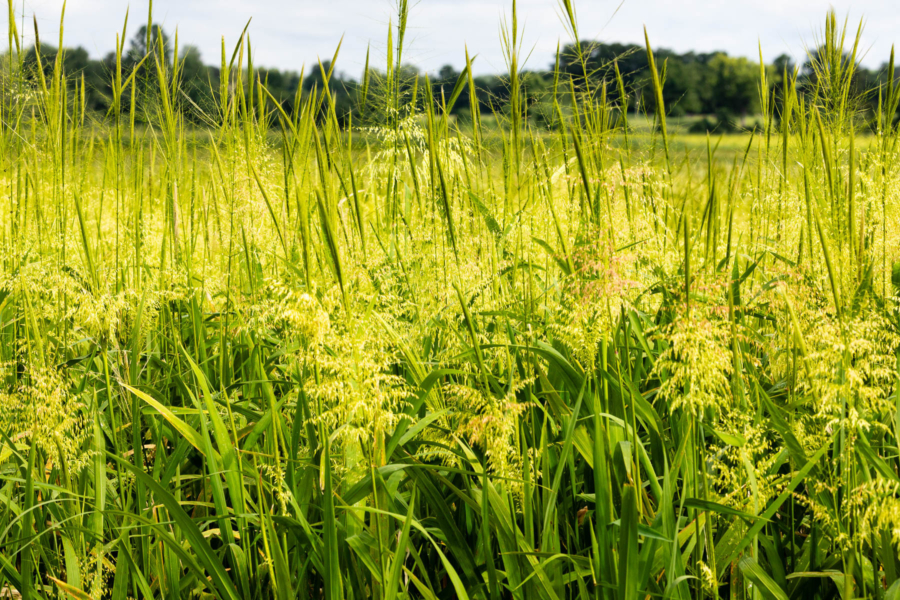
Found in freshwater wetlands, wild rice is a staple for many tribes in the eastern United States. In places like Jug Bay on Maryland’s Patuxent River, the restoration of wild rice has brought waterfowl back to a key stopover on the Atlantic Flyway. And for people, “wild rice has a high content of antioxidants, which protect the body from oxidative stress and prevent chronic diseases.” Richardson said. “It is high in proteins for energy, omega-3s and 6s for brain health, and fiber for digestion and controlling blood sugar levels. It also contains B vitamins and an array of essential minerals such as zinc, phosphorus, magnesium, manganese, potassium and iron.”
Tuckahoe
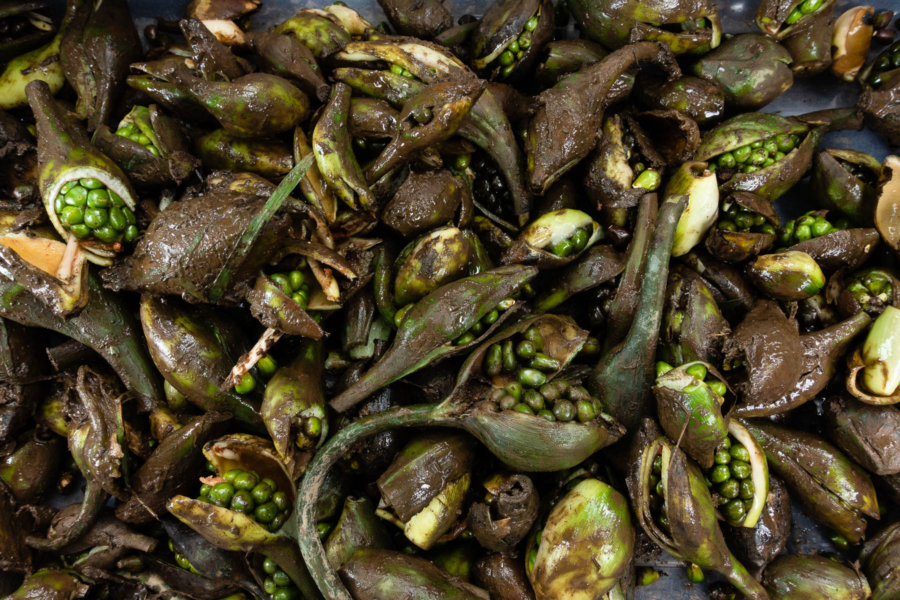
The plant that gives Tuckahoe State Park its name is more commonly known as arrow arum. Found in wetlands, it provides cover for wildlife and produces drooping pods of large, sticky, floating seeds—known as duck corn for their value to wood ducks and other waterfowl. “Tuckahoe was a staple food source for the tribes,” Richardson said. “It was ground into a flour for making bread that contained carbohydrates, proteins, fiber for digestion, and many minerals and vitamins essential to health.”
Willow
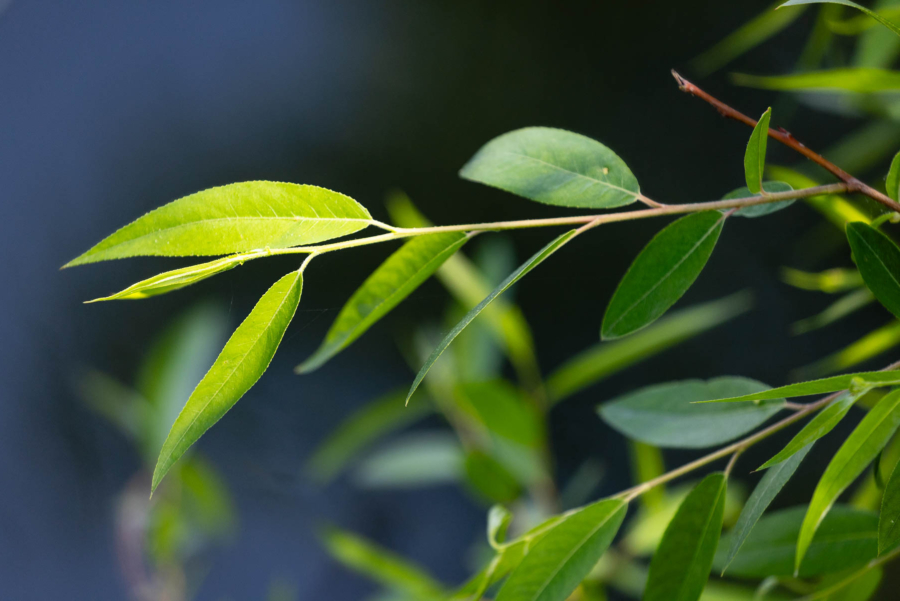
Perhaps more well-known than other native medicinal plants, it contains the precursor to salicylic acid, found in products from aspirin to acne cream. “Willow, like many other river plants, has been used for medicines to reduce fever, for pain, and as an anti-inflammatory,” Richardson said.
Bulrush
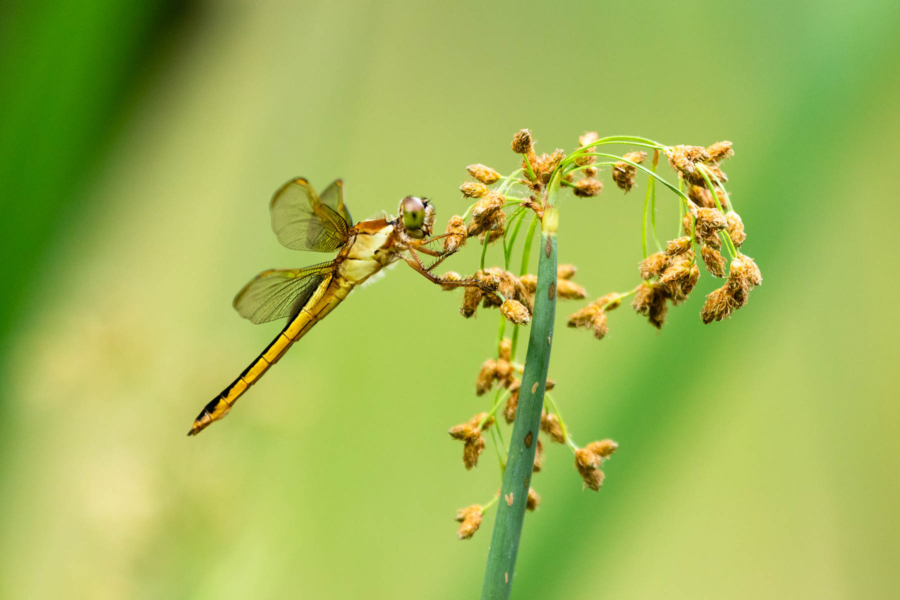
Common in wetlands throughout the world, great bulrush grows to eight feet and has seedheads that are a valuable food source for ducks and other waterfowl. It spreads by starchy underground roots that are edible, but its other name—softstem bulrush—hints at another use. According to Richardson, it has been used to weave baskets that could hold water without leaking.
Cattail
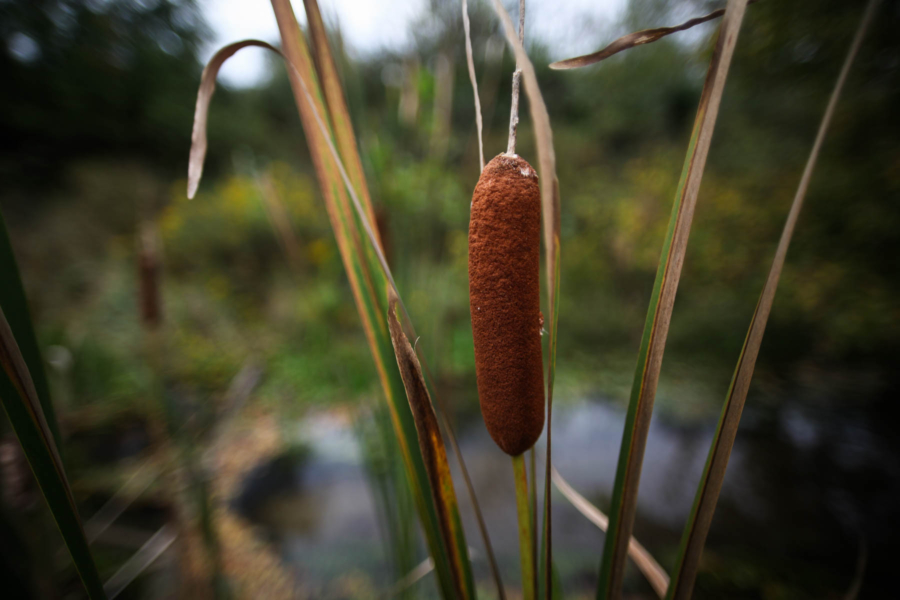
Most people can recognize the sausage-shaped female portion of the cattail flower. Lesser known is that the nutrient-packed pollen collected from the male spike just above that sausage can be used like flour for foods such as pancakes. You can also peel back the young shoots of cattail to get an edible portion that tastes like cucumber. Richardson notes that cattails were also woven into mats to cover longhouses, providing insulation and protection from the elements.
There is notable overlap between species with indigenous uses and those used for environmental restoration. The practice of agroforestry is bringing some added value to riparian forest buffers that also produce native crops like American plum, paw paw, persimmon, elderberry, chokeberry and hazelnut. But a typical buffer planted to stabilize a stream might also have a range of species with lesser-known traditional uses, such as tulip poplar (stimulant), black walnut (gastrointestinal aid), eastern red cedar (respiratory aid) or black cherry (cold remedy).
“It's unfortunate that the colonists didn't find value in our Indigenous knowledge,” Richardson said. “They could have saved many lives with our medicinal recipes.”
The Bay is filled with many other plants that have a history of use by Indigenous communities such as the Rappahannock Indian Tribe. If there are any that stand out to you, let us know in the comments!
Comments
Will: excellent piece with Chief Anne Richardson. Lots I did not know and she’s made quite an archive of good stuff I knew her some over a quarter century ago when her title was expressed as “ Queen Anne” as Colonials described matrilineal rulers. She’s been an excellent representative of the Rappahannocks all those years. ‘ long may she rule ‘ !!! Excellent detail and sources on your part. Bet she was fun to interview.
Thank you!
Your comment has been received. Before it can be published, the comment will be reviewed by our team to ensure it adheres with our rules of engagement.
Back to recent stories