
Skip to content
Chesapeake Bay Program logo, Science. Restoration. Partnership
    • The Watershed
    • Field Guide
    • Bay Facts
    • Bay 101 Videos
    • FAQ
    • Glossary

    Ecosystem

    • Chemical Makeup
    • Dissolved Oxygen
    • Food Web
    • Physical Characteristics
    • Estuaries
    • Water Clarity
    • All Issues

    Threats to the Bay

    • Agricultural Runoff
    • Air Pollution
    • Chemical Contaminants
    • Climate Change
    • Conowingo Dam
    • Invasive Species
    • Nutrient Runoff
    • Population Growth
    • Sediment Runoff
    • Stormwater Runoff
    • Wastewater

    What's at Risk?

    • Blue Crabs
    • Forest Health
    • Groundwater
    • Oysters
    • Rivers and Streams
    • Stream Buffers
    • Underwater Grasses
    • Wetlands
    • Help Protect the Bay
    • Find a Bay Organization
    • Celebrate Chesapeake Bay Awareness Week
    • Press Center
    • Recent Stories
    • Videos

    Browse Our Stories

    • Chesapeake Stewardship
    • Partnership News
    • Restoration Spotlight
    • Travel, Recreation and Culture
    • Watershed Science
    • Wildlife
    • Office Staff
    • Our Partners
    • Partnership Directory
    • How We’re Organized
    • Organizational Chart
    • Our History
    • Our Funding
    • Contact Us

    Work With Us

    • Internships
    • Career Development
    • Career Opportunities
    • Meetings Calendar
    • Our Accomplishments
    • Grants & RFPs
    • Publications
    • Monitoring and Modeling Data

    What Guides Us

    • Chesapeake Bay Watershed Agreement

    Programs & Projects

    • Bay TMDL
    • Monitoring
    • Modeling
    • BMP Verification
    • Quality Assurance
    • Data Governance
  1. Recent Stories

Tagged Stories: "dead zone"

Browse Our Stories

Chesapeake Stewardship Partnership News Restoration Spotlight Travel, Recreation and Culture Watershed Science Wildlife

Size of the Chesapeake Bay dead zone predicted to be about average despite heavy rainfall

June 21, 2024

Researchers release annual dead zone forecast

Read story‍
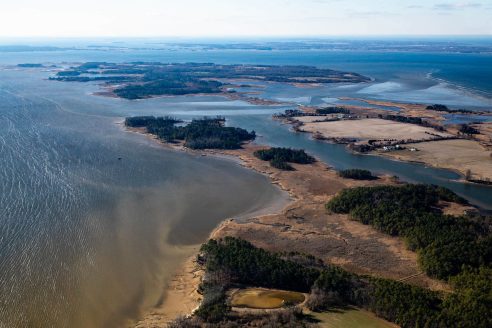
Aerial view of the Bay with land jutting out into it.

10 reasons to be hopeful about the Chesapeake Bay in 2024

January 19, 2024

Rebounding oysters, shrinking dead zones and unprecedented funding gives us hope

Read story‍

A man moves a tree whose root ball is wrapped in burlap down a small, grassy hill toward a sidewalk, where it will be planted along a residential street.

The Chesapeake Bay sees its smallest dead zone in 39 years

November 28, 2023

The 2023 dead zone was the smallest on record

Read story‍
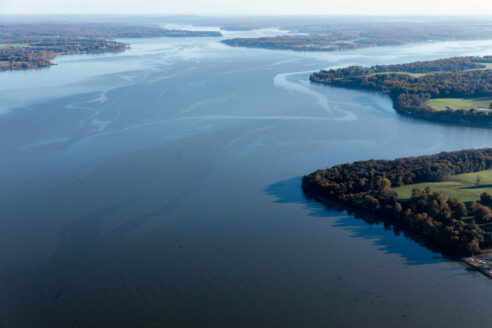
An aerial view of a wide blue river with a forested shoreline.

Experts find 2022 dead zone to be 10th smallest since 1985

November 16, 2022

Cool temperatures and strong winds in September shortened duration

Read story‍
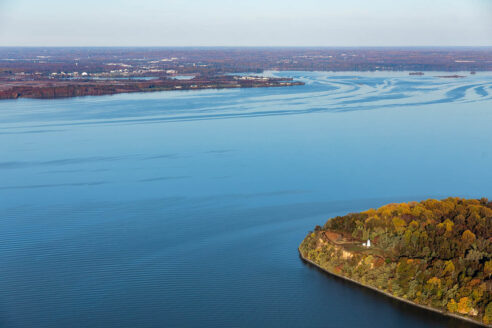
Bay’s dead zone is predicted to be 13% smaller this summer

June 28, 2022

Thank cooler temperatures and less rainfall for a below average hypoxia forecast

Read story‍
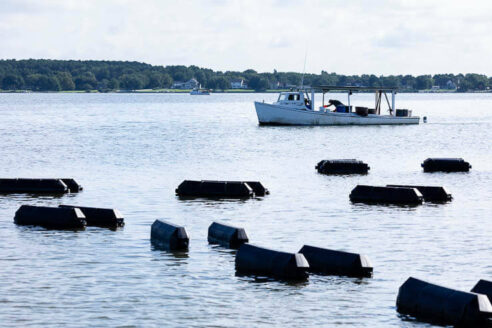
How does rain help and hurt the Chesapeake Bay?

May 11, 2022

Rainfall impacts salinity levels, water clarity and dissolved oxygen levels

Read story‍
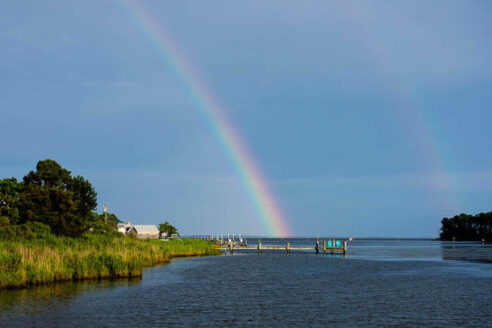
Experts find an average Chesapeake Bay dead zone in 2021

November 30, 2021

Hot weather and mild winds contribute to the dead zone sticking around longer into the fall

Read story‍
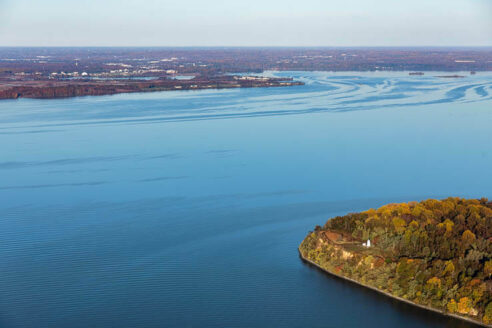
Satellites, solar-powered buoys and volunteers like you help monitor the Bay

September 17, 2021

Four ways the Chesapeake Bay Program tracks Bay health

Read story‍
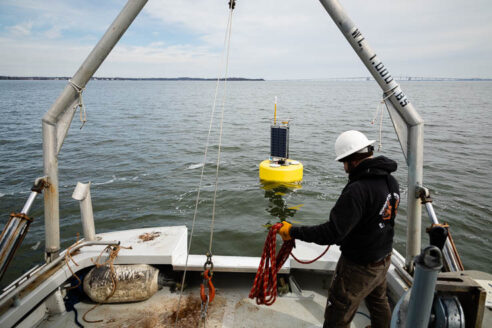
Getting to know the guardians of the Severn River

June 24, 2021

Every summer, you can find the Severn River Association patrolling its 51 monitoring stations

Read story‍
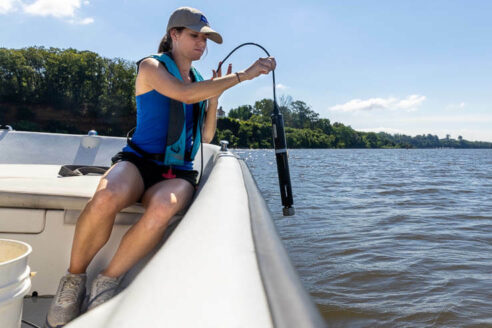
Spring weather leaves researchers optimistic for a small summer dead zone

June 23, 2021

Ongoing efforts to reduce nutrient and sediment pollution also play a role

Read story‍

Connect with us. Stay informed on our work.

Follow us on these social networks.

Sign up for one of our newsletters.

Subscribe
Chesapeake Bay Program logo, Science. Restoration. Partnership

The Chesapeake Bay Program is a unique regional partnership that has led and directed the restoration of the Chesapeake Bay since 1983. The content on this website does not necessarily reflect the views or positions of the federal government.
 

Tel: (800) YOUR-BAY (968-7229)
Fax: (410) 267-5777

© 2025 Chesapeake Bay Program All Rights Reserved

  • Contact Us
  • Terms of Use
  • Privacy Policy