
Skip to content
Chesapeake Bay Program logo, Science. Restoration. Partnership
    • The Watershed
    • Field Guide
    • Bay Facts
    • Bay 101 Videos
    • FAQ
    • Glossary

    Ecosystem

    • Chemical Makeup
    • Dissolved Oxygen
    • Food Web
    • Physical Characteristics
    • Estuaries
    • Water Clarity
    • All Issues

    Threats to the Bay

    • Agricultural Runoff
    • Air Pollution
    • Chemical Contaminants
    • Climate Change
    • Conowingo Dam
    • Invasive Species
    • Nutrient Runoff
    • Population Growth
    • Sediment Runoff
    • Stormwater Runoff
    • Wastewater

    What's at Risk?

    • Blue Crabs
    • Forest Health
    • Groundwater
    • Oysters
    • Rivers and Streams
    • Stream Buffers
    • Underwater Grasses
    • Wetlands
    • Help Protect the Bay
    • Find a Bay Organization
    • Celebrate Chesapeake Bay Awareness Week
    • Press Center
    • Recent Stories
    • Videos

    Browse Our Stories

    • Chesapeake Stewardship
    • Partnership News
    • Restoration Spotlight
    • Travel, Recreation and Culture
    • Watershed Science
    • Wildlife
    • Office Staff
    • Our Partners
    • Partnership Directory
    • How We’re Organized
    • Organizational Chart
    • Our History
    • Our Funding
    • Contact Us

    Work With Us

    • Internships
    • Career Development
    • Career Opportunities
    • Meetings Calendar
    • Our Accomplishments
    • Grants & RFPs
    • Publications
    • Monitoring and Modeling Data

    What Guides Us

    • Chesapeake Bay Watershed Agreement

    Programs & Projects

    • Bay TMDL
    • Monitoring
    • Modeling
    • BMP Verification
    • Quality Assurance
    • Data Governance
  1. Recent Stories

Tagged Stories: "pollinators"

Browse Our Stories

Chesapeake Stewardship Partnership News Restoration Spotlight Travel, Recreation and Culture Watershed Science Wildlife

Native Chesapeake plants and their picky pollinators

May 2, 2025

Learn more about the specialist pollinators that call the Bay region home

Read story‍
Monarch caterpillars feed on common milkweed leaves in Anne Arundel County, Md., on Aug. 10, 2022.

Being an influential pollinator is no sweat for these bees

July 17, 2024

Sweat bees possess unique traits that make them crucial for pollination

Read story‍
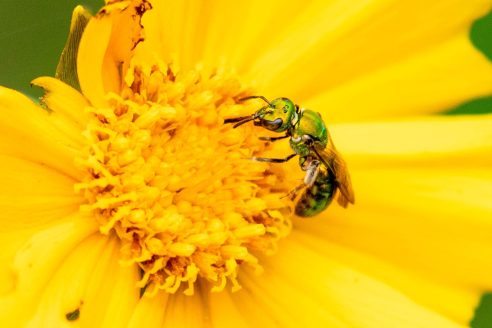
Green sweat bee feeds upon a bright yellow tickseed coreopsis.

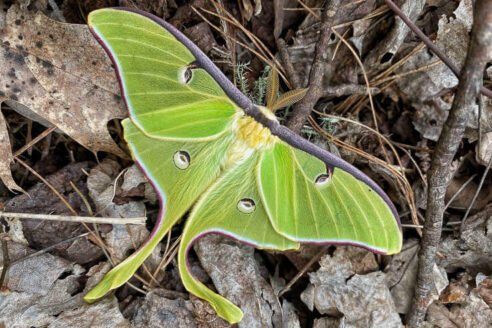
Life under the fallen leaves

March 9, 2021

Bees, butterflies, moths and other insects use leaf cover to weather the winter

Read story‍
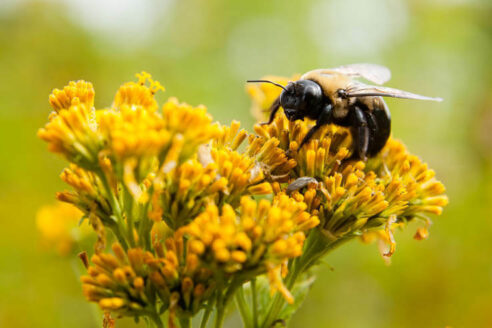
The buzz around buying native plants

February 24, 2021

As insect and bird numbers decline, states and plant businesses take a closer look at selling invasives

Read story‍
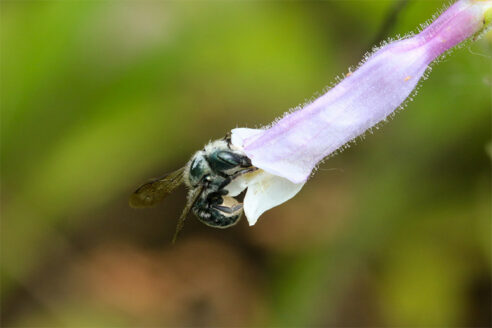
A key bee at Chesapeake orchards

September 1, 2020

The mason bee is a productive pollinator for all types of native fruits

Read story‍
Pennsylvania makes strides to protect its pollinators

August 6, 2020

Protecting pollinators through science, landscape design and public engagement

Read story‍
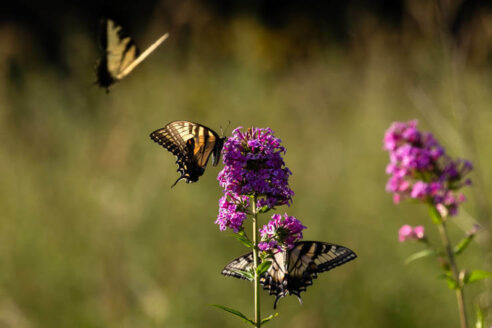
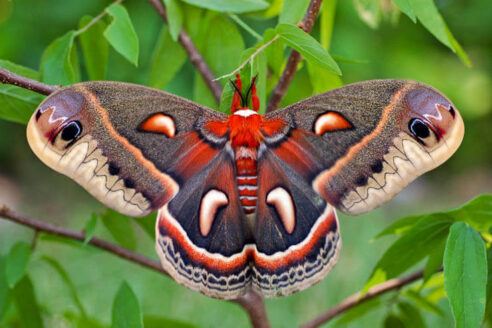
Moths pick up the night shift

July 21, 2020

The fascinating features and critical role of these nocturnal insects

Read story‍
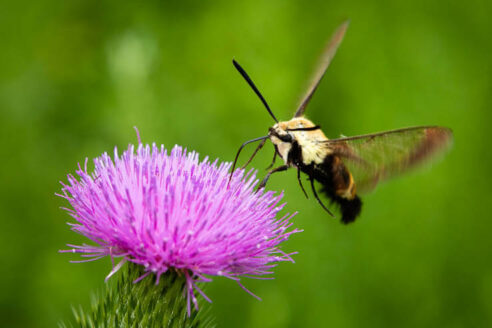
Clearing up confusion around the snowberry clearwing

June 1, 2020

This strange-looking insect has been perplexing people for years

Read story‍
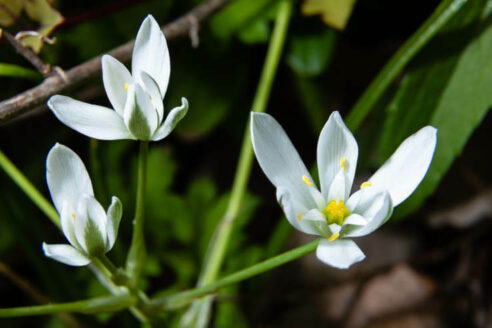
7 beautiful native plants to substitute for popular invasives

May 15, 2020

Forgo ornamental invasives for equally attractive native alternatives

Read story‍
Uncover nature’s secrets from your own backyard

April 3, 2020

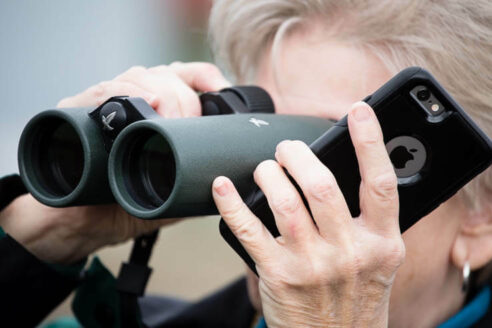
From observing wildlife to identifying plants, community science offers options for all

Read story‍
Connect with us. Stay informed on our work.

Follow us on these social networks.

Sign up for one of our newsletters.

Subscribe
Chesapeake Bay Program logo, Science. Restoration. Partnership

The Chesapeake Bay Program is a unique regional partnership that has led and directed the restoration of the Chesapeake Bay since 1983. The content on this website does not necessarily reflect the views or positions of the federal government.
 

Tel: (800) YOUR-BAY (968-7229)
Fax: (410) 267-5777

© 2025 Chesapeake Bay Program All Rights Reserved

  • Contact Us
  • Terms of Use
  • Privacy Policy