
Skip to content
Chesapeake Bay Program logo, Science. Restoration. Partnership
    • The Watershed
    • Field Guide
    • Bay Facts
    • Bay 101 Videos
    • FAQ
    • Glossary

    Ecosystem

    • Chemical Makeup
    • Dissolved Oxygen
    • Food Web
    • Physical Characteristics
    • Estuaries
    • Water Clarity
    • All Issues

    Threats to the Bay

    • Agricultural Runoff
    • Air Pollution
    • Chemical Contaminants
    • Climate Change
    • Conowingo Dam
    • Invasive Species
    • Nutrient Runoff
    • Population Growth
    • Sediment Runoff
    • Stormwater Runoff
    • Wastewater

    What's at Risk?

    • Blue Crabs
    • Forest Health
    • Groundwater
    • Oysters
    • Rivers and Streams
    • Stream Buffers
    • Underwater Grasses
    • Wetlands
    • Help Protect the Bay
    • Find a Bay Organization
    • Celebrate Chesapeake Bay Awareness Week
    • Press Center
    • Recent Stories
    • Videos

    Browse Our Stories

    • Chesapeake Stewardship
    • Partnership News
    • Restoration Spotlight
    • Travel, Recreation and Culture
    • Watershed Science
    • Wildlife
    • Office Staff
    • Our Partners
    • Partnership Directory
    • How We’re Organized
    • Organizational Chart
    • Our History
    • Our Funding
    • Contact Us

    Work With Us

    • Internships
    • Career Development
    • Career Opportunities
    • Meetings Calendar
    • Our Accomplishments
    • Grants & RFPs
    • Publications
    • Monitoring and Modeling Data

    What Guides Us

    • Chesapeake Bay Watershed Agreement

    Programs & Projects

    • Bay TMDL
    • Monitoring
    • Modeling
    • BMP Verification
    • Quality Assurance
    • Data Governance
  1. Recent Stories

Tagged Stories: "research"

Browse Our Stories

Chesapeake Stewardship Partnership News Restoration Spotlight Travel, Recreation and Culture Watershed Science Wildlife

Students from across the U.S. spend their summer advancing Bay restoration

August 15, 2024

Chesapeake Research Consortium expands diversity in the environmental field

Read story‍
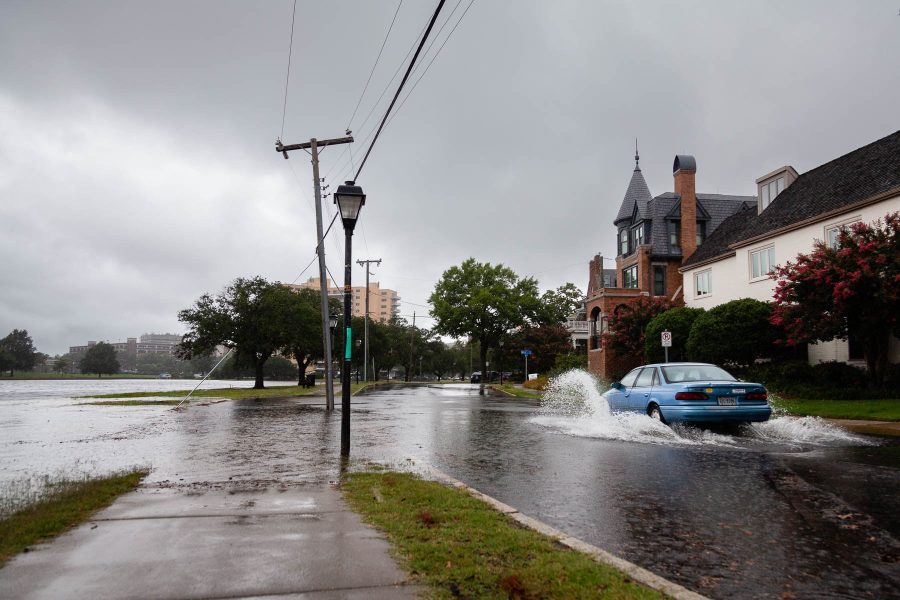
Flooded street with blue car driving through.

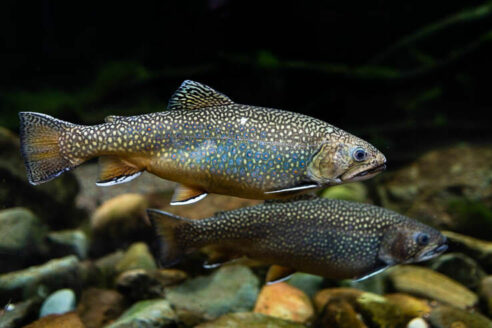
Who lives here? Tracking species by the DNA they leave behind

March 16, 2020

Environmental DNA, or eDNA, is a new tool for nature scientists

Read story‍
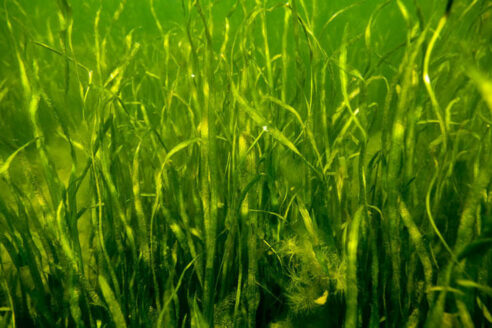
Rebounding underwater grasses signal recovering Chesapeake Bay

March 6, 2018

Efforts to reduce pollution and conserve land are having positive effects, study finds

Read story‍
Oyster shells show evidence of early human pollution of Chesapeake Bay

April 24, 2017

Humans have dramatically increased nitrogen in the estuary since the early 19th century, study finds

Read story‍
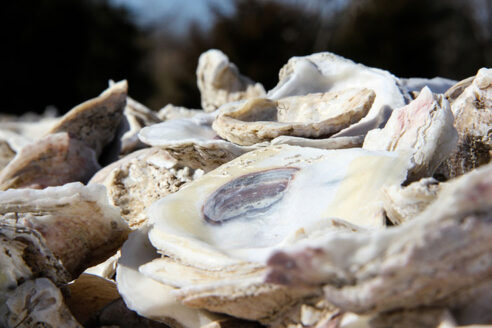
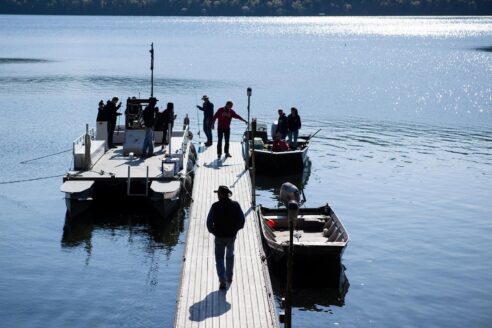
Photo Essay: Researching the headwaters of the Chesapeake

July 28, 2015

At SUNY Oneonta’s Biological Field Station, scientists support the health of Otsego Lake

Read story‍
Connect with us. Stay informed on our work.

Follow us on these social networks.

Sign up for one of our newsletters.

Subscribe
Chesapeake Bay Program logo, Science. Restoration. Partnership

The Chesapeake Bay Program is a unique regional partnership that has led and directed the restoration of the Chesapeake Bay since 1983. The content on this website does not necessarily reflect the views or positions of the federal government.
 

Tel: (800) YOUR-BAY (968-7229)
Fax: (410) 267-5777

© 2025 Chesapeake Bay Program All Rights Reserved

  • Contact Us
  • Terms of Use
  • Privacy Policy