
Skip to content
Chesapeake Bay Program logo, Science. Restoration. Partnership
    • The Watershed
    • Field Guide
    • Bay Facts
    • Bay 101 Videos
    • FAQ
    • Glossary

    Ecosystem

    • Chemical Makeup
    • Dissolved Oxygen
    • Food Web
    • Physical Characteristics
    • Estuaries
    • Water Clarity
    • All Issues

    Threats to the Bay

    • Agricultural Runoff
    • Air Pollution
    • Chemical Contaminants
    • Climate Change
    • Conowingo Dam
    • Invasive Species
    • Nutrient Runoff
    • Population Growth
    • Sediment Runoff
    • Stormwater Runoff
    • Wastewater

    What's at Risk?

    • Blue Crabs
    • Forest Health
    • Groundwater
    • Oysters
    • Rivers and Streams
    • Stream Buffers
    • Underwater Grasses
    • Wetlands
    • Help Protect the Bay
    • Find a Bay Organization
    • Celebrate Chesapeake Bay Awareness Week
    • Press Center
    • Recent Stories
    • Videos

    Browse Our Stories

    • Chesapeake Stewardship
    • Partnership News
    • Restoration Spotlight
    • Travel, Recreation and Culture
    • Watershed Science
    • Wildlife
    • Office Staff
    • Our Partners
    • Partnership Directory
    • How We’re Organized
    • Organizational Chart
    • Our History
    • Our Funding
    • Contact Us

    Work With Us

    • Internships
    • Career Development
    • Career Opportunities
    • Meetings Calendar
    • Our Accomplishments
    • Grants & RFPs
    • Publications
    • Monitoring and Modeling Data

    What Guides Us

    • Chesapeake Bay Watershed Agreement

    Programs & Projects

    • Bay TMDL
    • Monitoring
    • Modeling
    • BMP Verification
    • Quality Assurance
    • Data Governance
  1. Recent Stories

Tagged Stories: "Smithsonian Environmental Research Center (SERC)"

Browse Our Stories

Chesapeake Stewardship Partnership News Restoration Spotlight Travel, Recreation and Culture Watershed Science Wildlife

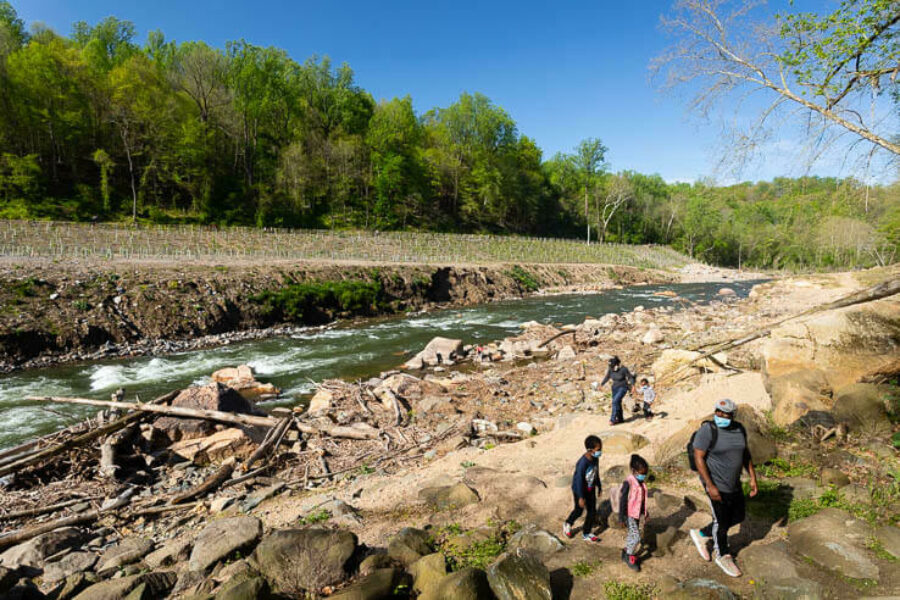
With fewer dams, a river near Baltimore flows more freely

May 22, 2020

Fish are returning to the Patapsco just a year after the demolition of Bloede Dam

Read story‍
Revisiting history at the Smithsonian Environmental Research Center

June 2, 2017

Once-abandoned farmland became home to cutting-edge research facility

Read story‍

What do we really know about cownose rays?

February 28, 2017

As Maryland weighs a ban on hunting tournaments, cownose rays thrust into spotlight

Read story‍

'Zombie' crabs invade the Chesapeake Bay

October 28, 2015

Invasive parasite takes control of native black-fingered mud crabs, affecting motor function and reproduction

Read story‍

What did 2011 weather conditions mean for the Chesapeake Bay?

October 6, 2011

Scientists with the Smithsonian Environmental Research Center have written some preliminary thoughts about 2011's bizarre weather.

Read story‍
Connect with us. Stay informed on our work.

Follow us on these social networks.

Sign up for one of our newsletters.

Subscribe
Chesapeake Bay Program logo, Science. Restoration. Partnership

The Chesapeake Bay Program is a unique regional partnership that has led and directed the restoration of the Chesapeake Bay since 1983. The content on this website does not necessarily reflect the views or positions of the federal government.
 

Tel: (800) YOUR-BAY (968-7229)
Fax: (410) 267-5777

© 2025 Chesapeake Bay Program All Rights Reserved

  • Contact Us
  • Terms of Use
  • Privacy Policy