
Skip to content
Chesapeake Bay Program logo, Science. Restoration. Partnership
    • The Watershed
    • Field Guide
    • Bay Facts
    • Bay 101 Videos
    • FAQ
    • Glossary

    Ecosystem

    • Chemical Makeup
    • Dissolved Oxygen
    • Food Web
    • Physical Characteristics
    • Estuaries
    • Water Clarity
    • All Issues

    Threats to the Bay

    • Agricultural Runoff
    • Air Pollution
    • Chemical Contaminants
    • Climate Change
    • Conowingo Dam
    • Invasive Species
    • Nutrient Runoff
    • Population Growth
    • Sediment Runoff
    • Stormwater Runoff
    • Wastewater

    What's at Risk?

    • Blue Crabs
    • Forest Health
    • Groundwater
    • Oysters
    • Rivers and Streams
    • Stream Buffers
    • Underwater Grasses
    • Wetlands
    • Help Protect the Bay
    • Find a Bay Organization
    • Celebrate Chesapeake Bay Awareness Week
    • Press Center
    • Recent Stories
    • Videos

    Browse Our Stories

    • Chesapeake Stewardship
    • Partnership News
    • Restoration Spotlight
    • Travel, Recreation and Culture
    • Watershed Science
    • Wildlife
    • Office Staff
    • Our Partners
    • Partnership Directory
    • How We’re Organized
    • Organizational Chart
    • Our History
    • Our Funding
    • Contact Us

    Work With Us

    • Internships
    • Career Development
    • Career Opportunities
    • Meetings Calendar
    • Our Accomplishments
    • Grants & RFPs
    • Publications
    • Monitoring and Modeling Data

    What Guides Us

    • Chesapeake Bay Watershed Agreement

    Programs & Projects

    • Bay TMDL
    • Monitoring
    • Modeling
    • BMP Verification
    • Quality Assurance
    • Data Governance
  1. Recent Stories

Tagged Stories: "University of Maryland Center for Environmental Science (UMCES)"

Browse Our Stories

Chesapeake Stewardship Partnership News Restoration Spotlight Travel, Recreation and Culture Watershed Science Wildlife

Spring weather leaves researchers optimistic for a small summer dead zone

June 23, 2021

Ongoing efforts to reduce nutrient and sediment pollution also play a role

Read story‍
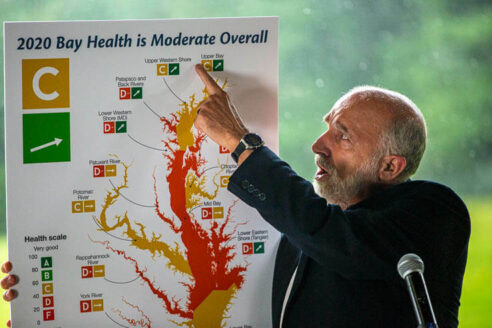
Annual Chesapeake Bay Report Card notes slight improvement in estuary health

June 22, 2021

Bay is graded a ‘C’, while surrounding watershed remains stable, healthy at B-

Read story‍
Smaller-than-normal dead zone predicted for the Chesapeake in 2020

June 17, 2020

Below-average spring rainfall brings less nitrogen pollution into the Bay

Read story‍
With fewer dams, a river near Baltimore flows more freely

May 22, 2020

Fish are returning to the Patapsco just a year after the demolition of Bloede Dam

Read story‍
Annual Bay report card notes overall watershed health is faring better than the Bay itself

May 20, 2020

Researchers include new indicators to provide an expanded, holistic view of watershed health

Read story‍
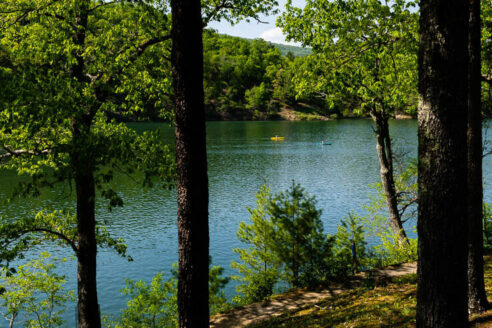
Experts predict largest dead zone in decades

June 12, 2019

Chesapeake Bay continues to be impacted from extreme rain and increased river flows

Read story‍
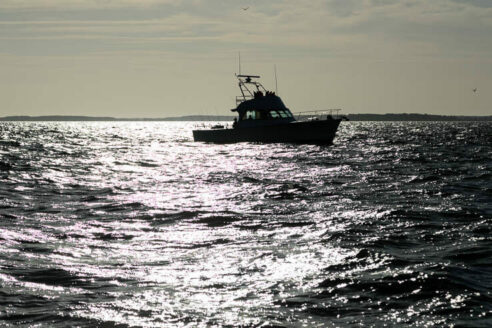
The grade of the Chesapeake Bay remains a 'C'

May 21, 2019

University of Maryland Center for Environmental Science finds Bay health remains steady

Read story‍
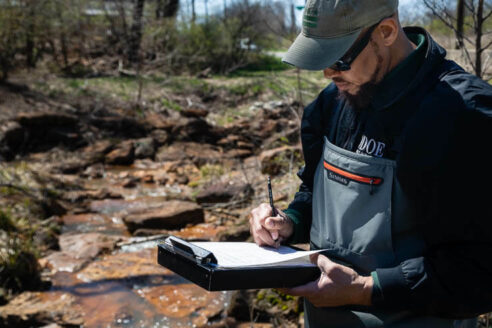
Bringing up baby oysters

February 26, 2019

Horn Point Hatchery helps ensure a future for a Bay delicacy

Read story‍
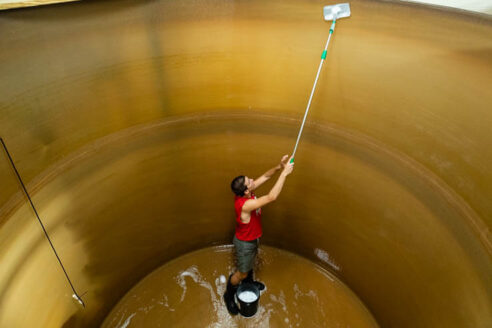
Scientists predict above-average dead zone in 2018

June 26, 2018

Spring rains contributed more nutrient pollution to the Bay

Read story‍
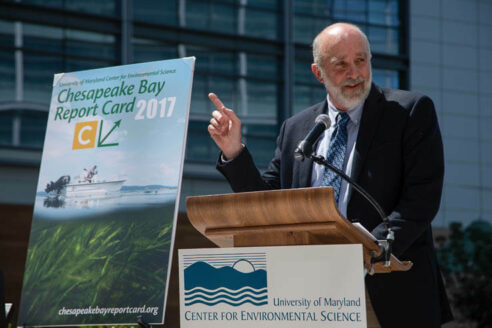
Chesapeake Bay Report Card highlights signs of progress

June 15, 2018

Estuary received a “C” grade in 2017 from University of Maryland Center for Environmental Science

Read story‍
Connect with us. Stay informed on our work.

Follow us on these social networks.

Sign up for one of our newsletters.

Subscribe
Chesapeake Bay Program logo, Science. Restoration. Partnership

The Chesapeake Bay Program is a unique regional partnership that has led and directed the restoration of the Chesapeake Bay since 1983. The content on this website does not necessarily reflect the views or positions of the federal government.
 

Tel: (800) YOUR-BAY (968-7229)
Fax: (410) 267-5777

© 2025 Chesapeake Bay Program All Rights Reserved

  • Contact Us
  • Terms of Use
  • Privacy Policy