
The crane fly is a mosquito look-alike that keeps fish fed
Crane flies live a short life but are an important part of the food web
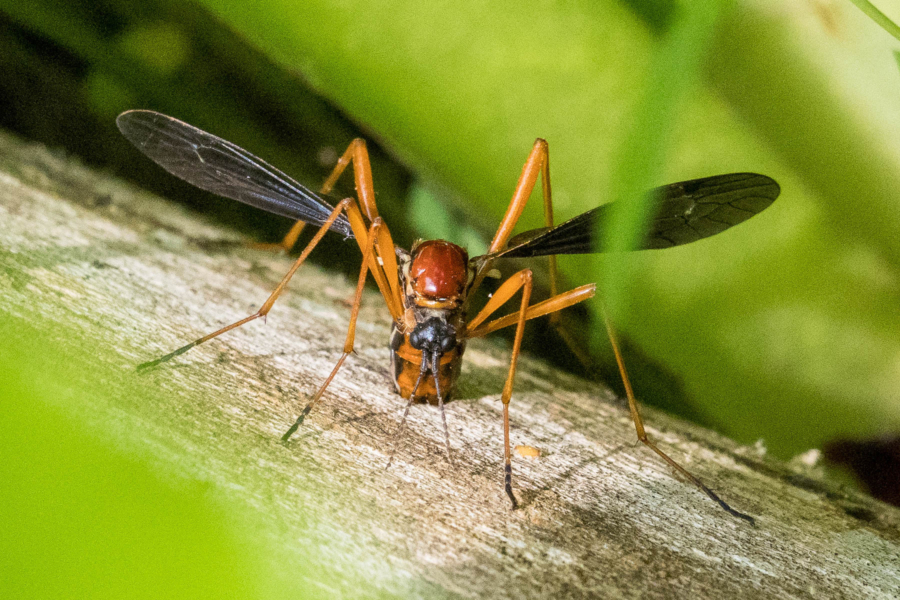
Nobody likes flies buzzing around their face, but sometimes, those insects can be a sign of a healthy stream with good opportunities for fishing.
Crane flies (Tanyptera) are often mistaken for mosquitos because of their long, skinny legs and lightly veined wings. Adults are usually gray, brown, or tan in color. But unlike mosquitoes, crane flies don’t bite or sting. In fact they have such a short lifespan (10-15 days) that they don’t even eat anything; they just live off energy reserves built up as larvae.
You are most likely to find crane flies in marshes, wetlands and streams—which the Chesapeake Bay has in abundance. They breed during spring and late summer and then females lay hundreds of eggs in wet soil. After about two weeks the eggs turn into wormlike larvae without any legs.
These organisms live in the riverbed or marsh bed, feeding on roots, fungi, algae and decaying organic matter, which helps to recycle nutrients that improves soil health. At this stage, they’re also a nutritious snack for small fish and other aquatic predators.
In late spring through fall, the crane fly larvae reach maturity and emerge from the water as fully grown crane flies. Adult crane flies are food for fish like trout, bass and sunfish. This link in the food web is why aquatic insects like crane flies are so important, and why fly fisherman will make lures that look or move like specific insects that fish find irresistible.
Next time you’re out in a river or stream, try to pay attention to the insect life. If you see different flies hovering around the surface of the water, that’s a good sign that the waterways might be rich with life.
Comments
There are no comments.
Thank you!
Your comment has been received. Before it can be published, the comment will be reviewed by our team to ensure it adheres with our rules of engagement.
Back to recent stories