
Veterans find healing on the water
Knott Alone - Hold Fast offers programs on the water to help veterans through their healing journeys
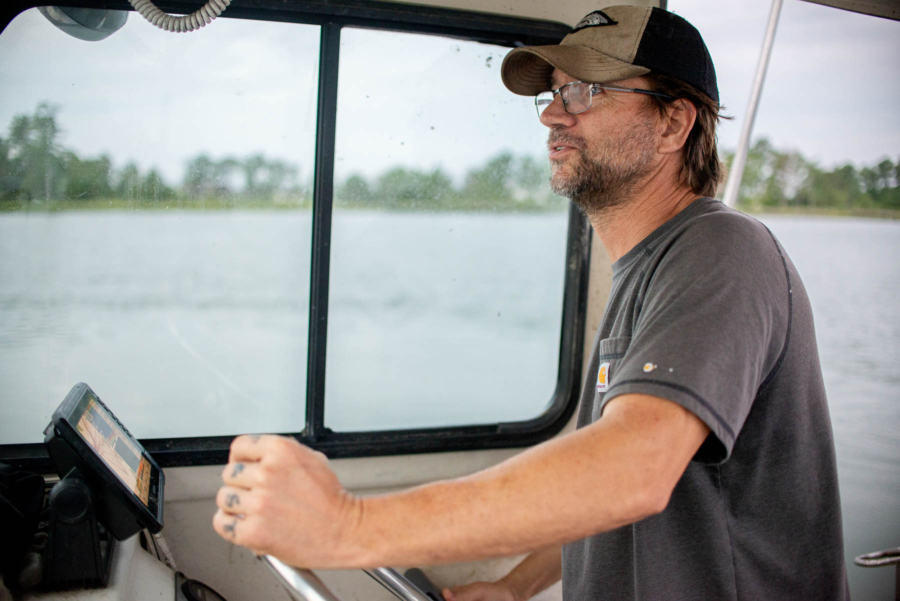
All across the United States, military veterans struggle with the transition of returning home after active duty. Whether it's dealing with the side effects of post traumatic stress disorder or just having a difficult time adjusting to an everyday routine, more than 40% of veterans say they experience high levels of difficulty during the transition.
Retired Army Lieutenant Colonel Daniel Knott created Knott Alone - Hold Fast to support veterans during this period of their lives—right here on the Chesapeake Bay.
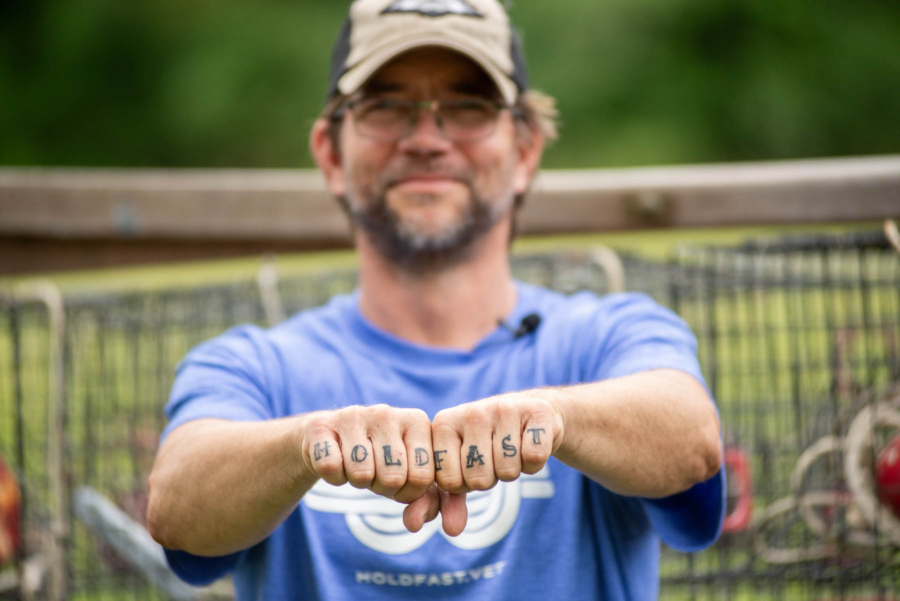
Growing up in central Virginia, Knott was surrounded by military role models, including both his father and grandfather. He remembers going crabbing and fishing with his grandfather, who was a waterman in Virginia Beach and also a Navy veteran who served during World War II. Eventually, Knott started his own service when he joined the Corps of Cadets at Virginia Tech.
“It really instilled that sense of wanting to be the best I could be, as cliche as that sounds,” Knott said.
Knott was commissioned into the Army and went on to spend over two decades in active military service, 13 years of which he was part of the elite Joint Special Operations Command (JSOC) team. He became a helicopter pilot, serving at the highest levels of Army aviation and completing multiple deployments to Iraq and Afghanistan.
However, the intensity of Knott’s service began to take a toll. Though he was stationed near home, he was deployed constantly, and while he was in active service overseas, it could be 3–4 weeks between phone calls with family. It was only when Knott was offered his dream job—a position based in Germany—that he realized how burnt out he was. Understanding that he was not in the mindset to give 100% to this role forced Knott to reevaluate, leading to his decision to decline the position and retire from military service.
“When I was making my decision to retire, people would ask, 'What are you going to do when you retire?' And I was like, 'Well I think I'm going to get a boat and start crabbing.'”
Soon after retiring, Knott followed his passion and became a licensed crabber and oysterman working on the Chesapeake Bay. The demanding physical work and calmness of the water helped Knott cope with the anger and grief he carried home from his military service. Still, Knott struggled with the transition and wasn’t sure who to talk to about it.
"I just started feeling horrible and angry, didn't want to be around anybody and was isolating,” Knott said. “I didn't want to speak up because [I’d] go back to all those guys I worked with, who are these heroes and Medal of Honor winners, and [wonder] why is it that I'm the weak one that's struggling?”
In the midst of struggling with mental health issues on his own, Knott would often go out on his boat with a friend of his and they would vent about life while crabbing. One of those friends said to Knott, “Being on the boat saved my life. You have to figure out how to share this with people.”
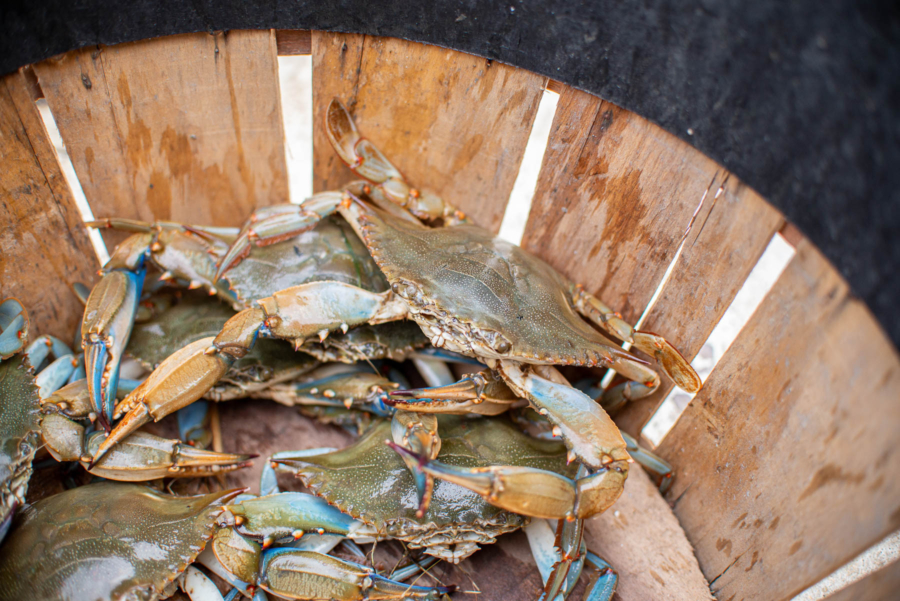
Not long after, Knott officially founded Knott Alone - Hold Fast, with the goal of giving veterans the same healing experiences he has as a Chesapeake Bay crabber. The program offers a variety of therapeutic programs for veterans, including day trips on the Chesapeake Bay to learn crabbing, multi-day or weekslong outings with the team, community dinners and more. According to Knott, veterans are welcome to come as often or as little as they’d like, and although they are encouraged to talk to others about their experiences, there are no strict guidelines.
“It’s all about what gets them back to a good spot,” Knott said.
Since this program focuses on working as watermen, Knott and his team are able to sell the seafood they catch and use the profits to continue expanding the program, and even pay veterans for their labor. Knott also uses his platform to help with environmental issues in the Bay, such as catching and selling invasive blue catfish.
Programs such as Knott Alone - Hold Fast offer veterans an opportunity to feel a sense of purpose and participate in public service—as they once did for the military. While there are resources available for veterans, Knott says that reaching out can feel like a “sign of weakness,” especially to those who have been in environments that did not encourage seeking help.
Going forward, Knott hopes to expand his program to anyone who struggles with PTSD, including first responders such as firefighters and medics.
“I will help anybody that I can help,” Knott said.
Comments
There are no comments.
Thank you!
Your comment has been received. Before it can be published, the comment will be reviewed by our team to ensure it adheres with our rules of engagement.
Back to recent stories