
Chesapeake Bay underwater grass increases 7% in 2025, nearing 2030 milestone
Record-setting gains made in the Bay’s high-salinity areas
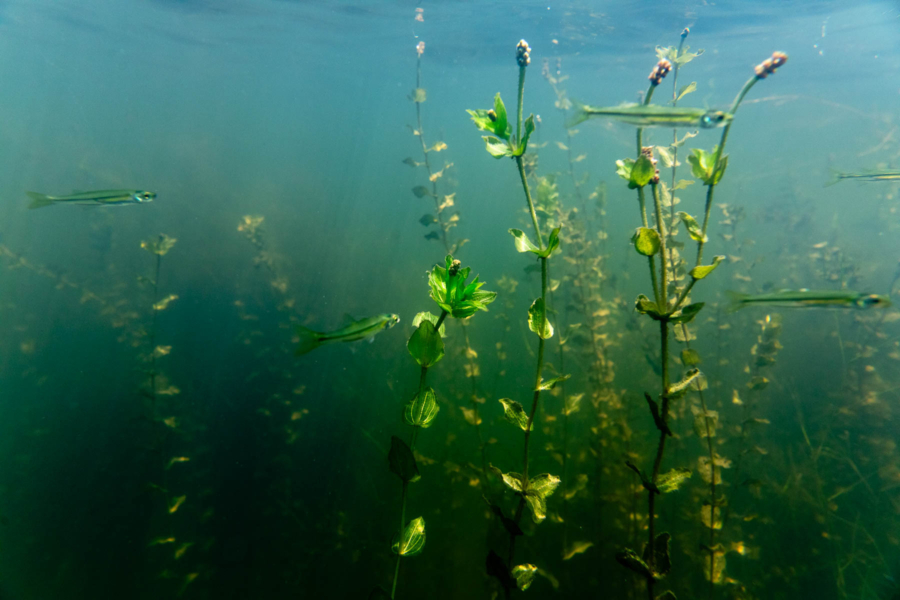
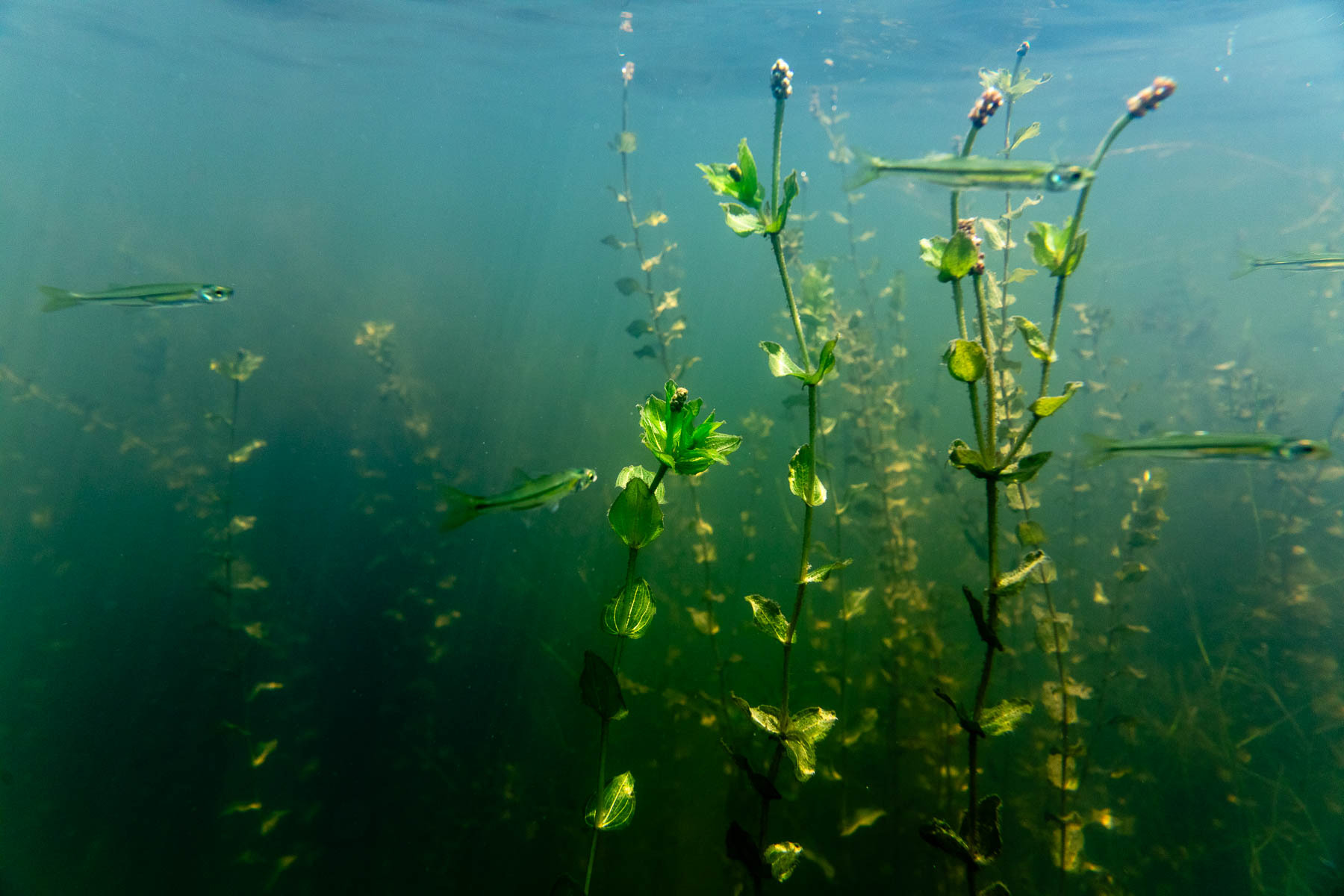
ANNAPOLIS, MD—In 2025, there was an estimated 89,385 acres of underwater grasses across the Chesapeake Bay and its tidal tributaries, marking a 7% increase from 2024. This growth places the Bay’s underwater grass abundance just 615 acres shy of a 2030 interim milestone of 90,000 acres, and represents 45% of the ultimate, long-term goal of 196,600 acres set in the Chesapeake Bay Watershed Agreement.
“The growth of underwater grasses in the Bay is an encouraging sign of what sustained coordination and investment at the federal, state and local level in Bay restoration can accomplish,” said Dan Coogan, director of the Chesapeake Bay Program, EPA Region 3. “While this progress is important, the work is not finished until we achieve the goal of 196,600 acres.”
The Chesapeake Bay’s underwater grass—also known as Submerged Aquatic Vegetation, or SAV—is monitored each year by William & Mary’s Virginia Institute of Marine Science (VIMS) across four distinct salinity zones. In 2025, SAV expanded significantly in the high and moderate salinity-zones, with record abundance in the high salinity zone. However, the survey also showed modest decreases in low-salinity and tidal fresh zones.
The Bay’s underwater grass levels depend heavily on environmental factors such as water clarity, nutrient and sediment runoff, and temperature and salinity, which impact different species of SAV throughout the estuary. In 2025, historic gains in the high salinity zone came as a result of eelgrass continuing to expand into deeper waters where improved water clarity better supports plant growth. Losses of Hydrilla—especially in Virginia’s Western Shore tributaries like the upper Rappahannock River—drove declines in the tidal fresh zone.
“The different stories unfolding among the salinity zones really highlights just how incredibly large and complex the Chesapeake Bay ecosystem is,” said Christopher J. Patrick, associate professor and director of the SAV Monitoring and Restoration Program at VIMS. “It’s never just one story; it’s a collection of stories. A good year for SAV in one river can also be a terrible year for SAV in another.”
Underwater grasses are critical to the overall health and stability of the Chesapeake Bay ecosystem. These beds absorb excess nutrient and sediment pollution, add dissolved oxygen to the water, reduce wave energy to help stabilize shorelines, and serve as vital habitat for blue crabs, forage fish and migratory waterfowl. The amount of underwater grass in the Chesapeake Bay is a direct indicator of the estuary’s overall health.
When VIMS began monitoring SAV in 1984, the Bay was estimated to contain only 38,958 acres of underwater grass. Since then, estimated totals have ranged from that historic low to a high of 108,078 acres in 2018, maintaining a long-term average of 70,978 acres. The 2025 total of 89,385 acres is well above this long-term average and marks the sixth-highest acreage recorded in the survey’s history.
“We have more than doubled the acreage of SAV documented when the Bay-wide SAV survey began in 1984, and today, SAV occupies tens of thousands of acres of habitat that had previously been lost,” said Brooke Landry, chair of the Chesapeake Bay Program’s SAV Workgroup and chief of the SAV Program at the Maryland Department of Natural Resources. “That recovery demonstrates how far we have come in our efforts to restore the Bay despite a growing population, changes in land use, and changes in environmental conditions.”
The Chesapeake Bay Program leads a coordinated effort to achieve SAV targets established in the Chesapeake Bay Watershed Agreement. In 2025, the partnership updated the SAV Outcome of the Watershed Agreement to include a slightly higher long-term goal of 196,600 acres.
Recent Press Releases
Chesapeake Bay watershed jurisdictions continue working toward nitrogen and phosphorus goals, with sediment goal already achieved
Annual Chesapeake Bay Awareness Week celebrates a watershed “Built by Nature, Protected Together”
A mild dead zone is expected for the Chesapeake Bay this summer
![Chart: Bay-wide SAV Abundance (1984-2025) [PNG, 76KB]](https://www.chesapeakebay.net/files/Chart-2025-Submerged-Aquatic-Vegetation-Prelim-08122026.png.png)