
Five ways to become an A+ Chesapeake Bay steward
Simple changes made by educators and students can have a big impact on the Chesapeake
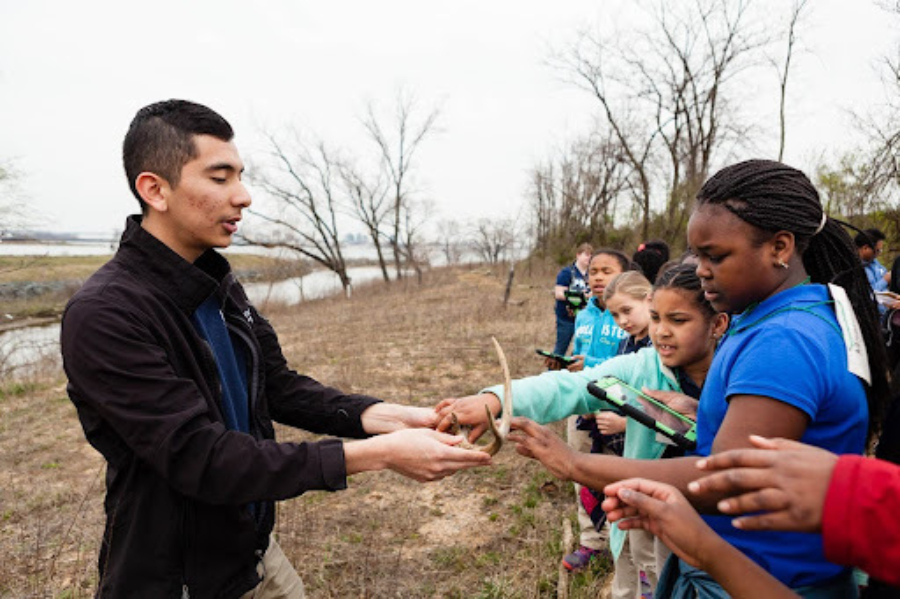
We all know that the best time to form good habits is when we’re young, which is why it’s so important to help students make environmentally-friendly choices in the classroom. While some of these habits start at school, they can easily be integrated into everyday life for adults as well.
Learn five tips and tricks that students, parents and teachers alike can implement to take part in supporting a healthy Bay.
Take a field trip
One of the best ways we can teach our children to be environmental stewards is through hands-on learning experiences. The Chesapeake region has no shortage of farms, museums, environmental centers and bodies of water for children (and supervisors) to explore and learn about their environment. Whether it's an organized trip to a local museum or a quick science assignment at the stream behind the school, getting out of the classroom and into nature is one of the best ways to encourage students to understand their environmental impact.
Walk, bike or carpool to school
As the weather warms in the Bay region, it can be a great time to start walking or biking to school if your family lives nearby. Not only will it cut down on your vehicle emissions, but it’s always a great way to get exercise and wake up your students for the day. For those who don’t live near school, organizing a carpool for the kids in your neighborhood is a great alternative. If it’s available in your area, also consider public transportation; many services offer free or discounted fares for students.
Reuse school supplies
Shopping for school supplies can be a lot of fun, but before you head to the store to buy entirely new stock, take a look at what you already have and see if you can reuse any of it. Folders, pencils, backpacks and so many other supplies that are necessary in the classroom can remain in good condition for years before needing replacements.
If having new colors and patterns is important to your little one, see if they can trade any materials with their friends so that they can have items that are new to them. If you do have to buy new supplies, look for items made from recycled materials like notebooks and pencils made from post-consumer content.
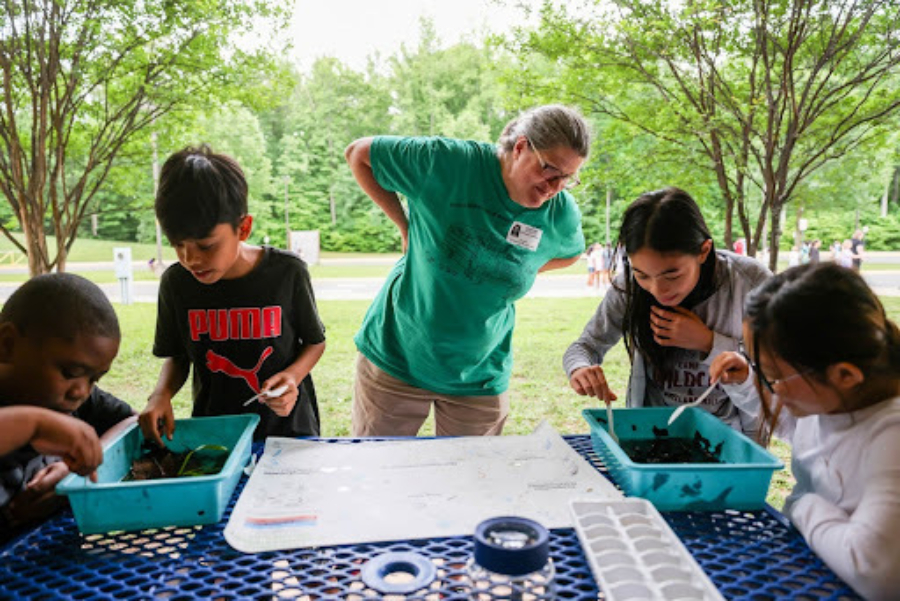
Start or join an environmental club
Many schools across the Bay region have clubs during the day or after school that students can participate in to raise awareness for or learn about Bay-related issues. Many of these clubs also take actions within their school, such as starting a composting program or organizing volunteer events for students to participate in. If your school doesn’t have the club you’re looking for, talk to your administrators to see how you can start one!
Foster environmental literacy
Incorporating Bay-related issues into the curriculum or lesson plan for students makes a world of difference in their learning experience. Teaching students about forests, streams, blue crabs and many other Bay topics engages them with what’s happening directly in the environment where they live.
Bay Backpack is a site designed to provide educators with tools to create environmental lessons and support Meaningful Watershed Educational Experiences (MWEES) for their students.
While it’s always important to keep learning about how you can help the Bay no matter how old you are, starting these habits in the classroom allows students to develop their environmental awareness early on and mold them into long-term environmental stewards!
To learn other tips & tricks for how to make changes to protect the Bay, click here.
Comments
There are no comments.
Thank you!
Your comment has been received. Before it can be published, the comment will be reviewed by our team to ensure it adheres with our rules of engagement.
Back to recent stories