
Joe-Pye weed is a summer wildflower that pollinators love
The native perennial can be perfect for home gardens
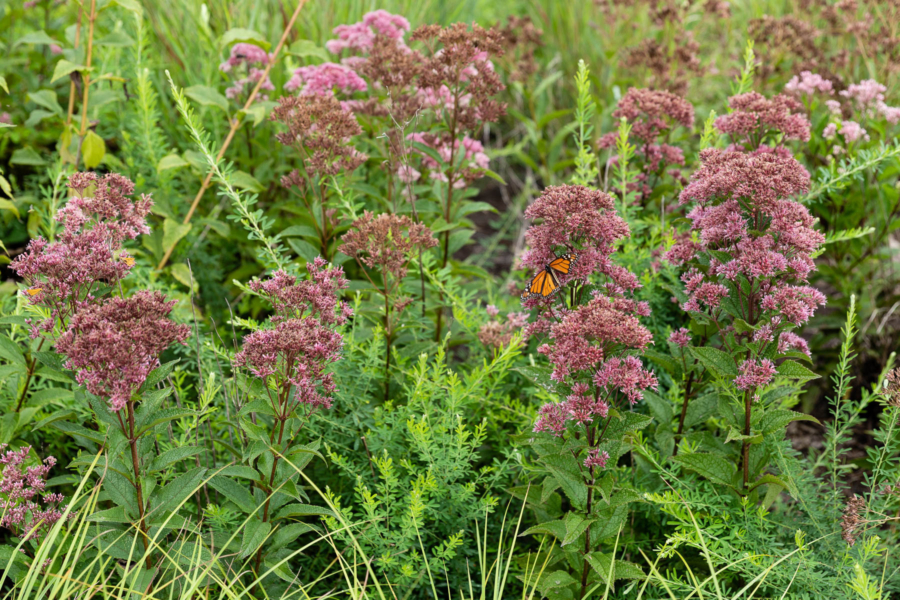
While spring gets much of the credit for wildflower blooms, late summer and early fall are when the native plant Joe-Pye weed makes its grand entrance. The plant blooms just when other native flowers begin to fade, delivering a critical late-season supply of nectar and pollen to wildlife.
Joe-Pye weed thrives in damp soils along wetlands and streams, though many varieties found in garden stores will still grow in a home garden or sunny landscape. The plant’s broad, nectar-rich flower heads act as a refueling station for monarch butterflies preparing for their southward migration, not to mention tiger swallowtails, native bees and hummingbirds. Scientists believe that 32 species of moth and butterfly caterpillars use Joe-Pye weed as a host plant!
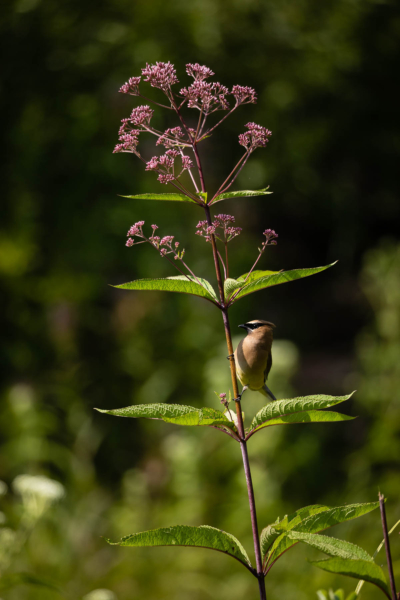
Beyond supporting wildlife, Joe-Pye weed plays an essential role in protecting Bay water quality. The plant’s deep root system helps to stabilize the soil and reduce erosion and flooding in the wetland and streamside areas where it grows. Like many native wetland plants, Joe-Pye weed also acts as a natural filter, absorbing excess stormwater runoff and trapping nutrient pollution before it reaches local tributaries that flow into the Chesapeake Bay. The combination of attractive form and function makes Joe-Pye a favorite for rain gardens and conservation landscaping.
The Chesapeake region is home to several species of Joe-Pye, the most common being: spotted Joe-Pye weed (Eutrochium maculatum), hollow Joe-Pye weed (Eutrochium fistulosum) and coastal Joe-Pye weed (Eutrochium dubium). You can recognize spotted Joe-Pye weed by its purple-speckled stems, three- to five-foot height and flat-topped flower heads. In contrast, Hollow Joe-Pye weed is much taller (growing up to 8–10 feet tall) and has a completely hollow stem with a waxy coating. Finally, coastal Joe-Pye weed is the most compact species, typically reaching just two to four feet, which makes it most manageable for home gardens.
Next time you take a hike near a stream or wetland between summer and fall, keep an eye out for Joe-Pye weed’s beautiful pink flowers blooming. Stick around to count the number of bees and butterflies fluttering around.
Visit our Field Guide to learn more about other plants and trees that are native to the Chesapeake Bay region.
Comments
There are no comments.
Thank you!
Your comment has been received. Before it can be published, the comment will be reviewed by our team to ensure it adheres with our rules of engagement.
Back to recent stories