
Preserving the lands and waters of Civil War battlefields in the Shenandoah Valley
Shenandoah Valley Battlefields Foundation has protected 7,600 acres of land
On a spring day in 1862, Union troops marched up a wooded ridgeline in Rockingham County, Virginia, unaware of the danger lurking on the other side.
It was the second year of the American Civil War, and the Confederate Army was advancing north through the Shenandoah Valley. As Union soldiers approached, the Confederates crouched with their guns ready. Some reports say that the Union troops were so oblivious to the position of the Confederates that they could be heard singing songs as they marched.
“They had no idea they were running up on a wall of Confederate troops,” said Jack Owens, land preservation projects manager at Shenandoah Valley Battlefields Foundation (SVBF).
The ensuing fight—which heavily favored the well-positioned Confederates— was one of many that occurred during the Battle of Cross Keys, a critical battle during the Confederate Army’s Shenandoah Valley campaign.
Today, that same ridgeline and the farmland around it is preserved by SVBF. Established in 1996 by an act of Congress, SVBF preserves Civil War battlefield landscapes across eight counties in the Shenandoah Valley and interprets their history for the public. With 11 battlefields preserved, the foundation gives people an opportunity to experience and learn from the history that helped shape the region.
“We started using the slogan ‘Explore. Learn. Remember,’” Owens said. “That’s what we want people to do when they visit these sites.”
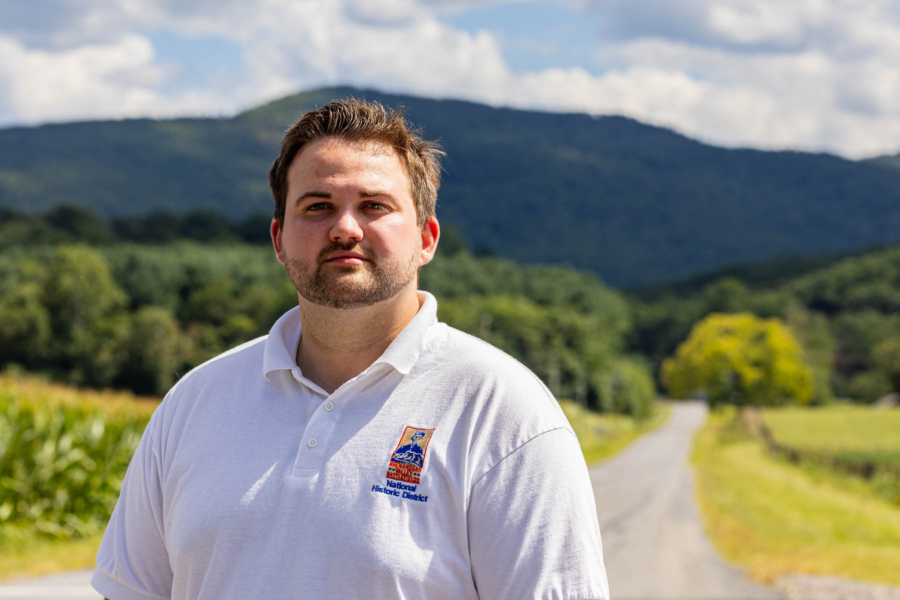
By conserving the farms, forests and meadows where battles were fought, SVBF is not only preserving history but protecting the region’s lands and waters. The Shenandoah Valley is home to multiple trout streams and dense forests, and much of the region’s water flows east into the Chesapeake Bay. By preserving large swaths of land, SVBF is easing pressure on local streams and safeguarding wildlife habitat.
“We’re preserving historic battlefields, but in turn, we’re preserving natural resources—the soil, the waterways, the landscape itself,” Owens said.
In addition to preserving battlefields, SVBF is also enhancing the lands they exist on. All across the Chesapeake Bay watershed, environmental groups work with landowners to install Best Management Practices (or BMPs) like streamside trees or livestock fences that protect waterways. SVBF has worked with farmers and landowners on installing or implementing a wide range of BMPs, including native tree and grass plantings, livestock exclusion, rotational grazing and livestock watering systems.
But what’s unique about SVBF is that when they install a BMP, they do so in a way that reflects the Civil War time period. For example, at the wooded ridgeline where the Battle for Cross Keys occurred, the foundation is hoping to plant more trees so that the property more closely resembles how it looked in 1862.
“We like to merge the BMPs with the historic restoration of the landscape,” Owens said. “So if we need to put in a stream buffer, we might use historic split-rail fencing instead of wire to make it look like it did in the 1860s.”
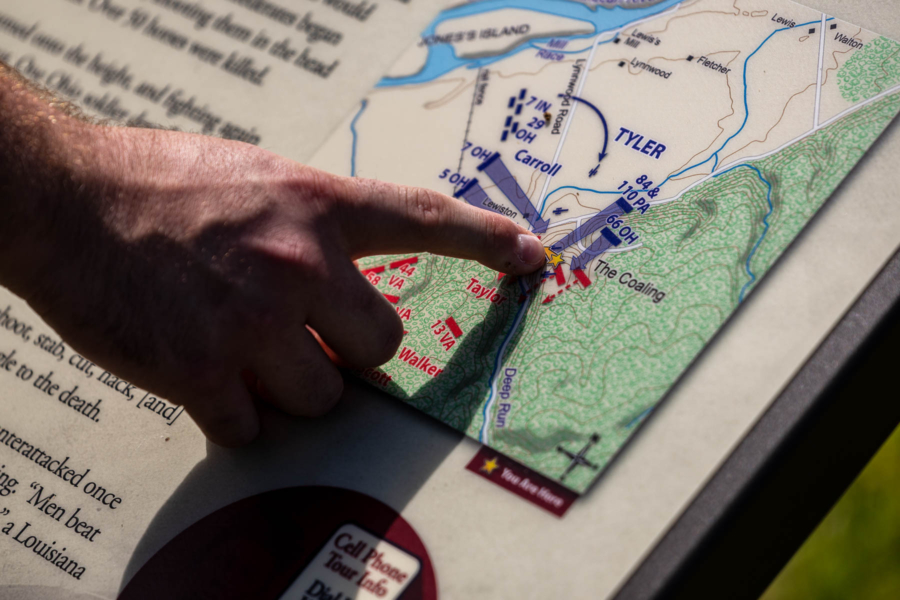
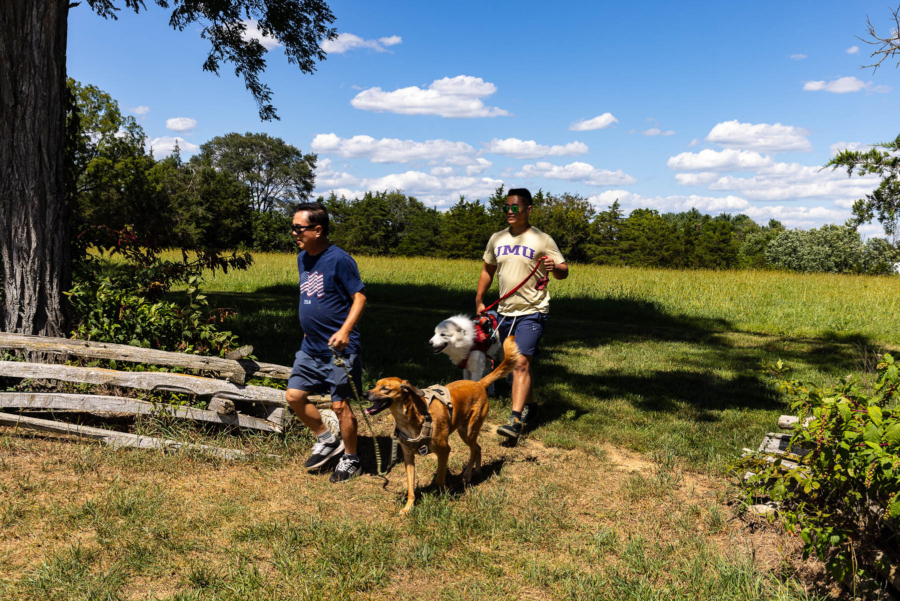
Another important aspect of SVBF’s work is providing the public with outdoor spaces to enjoy. The foundation’s battlefields are all open to the public and free to visit, and include 11 miles of trails and a downloadable audio tour app. On special occasions, SVBF has given tours to historians and students, and operates three museums.
“We don’t just slap a sign up that says ‘prohibited’,” Owens said. “We want people to explore these places, to have a park-like experience.”
As of 2025, SVBF has preserved roughly 7,600 acres of land and 35 miles of streambank, and continues to expand its footprint. By preserving and stewarding these lands, the foundation is not only honoring the past but giving the next generation a window into this important moment in American history.
“I like to say we’re in the forever business,” Owens said. “Not everybody is in the forever business.”
Comments
There are no comments.
Thank you!
Your comment has been received. Before it can be published, the comment will be reviewed by our team to ensure it adheres with our rules of engagement.
Back to recent stories