
Stewardship is a high priority at the home of President James Monroe
A restored trail system kicks off years of conservation work at Highland
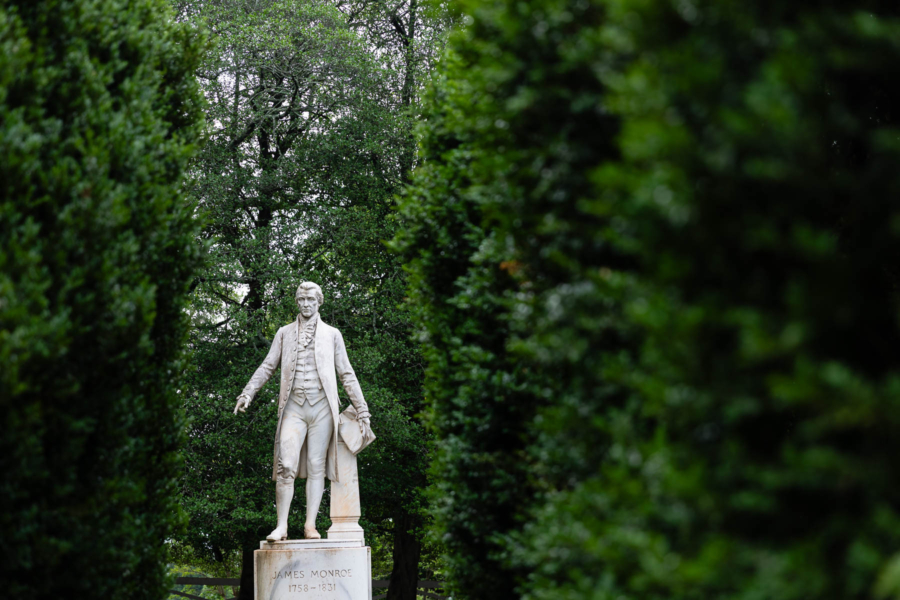
At the home of the fifth United States President James Monroe, the visitor experience goes far beyond the gift shop.
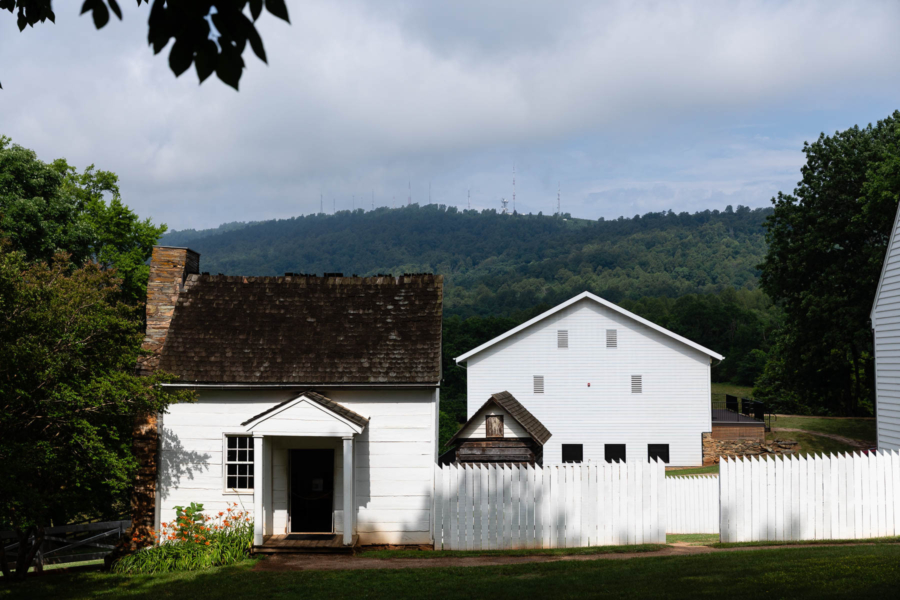
Highland is a 535-acre historic site where guests can tour preserved and reconstructed parts of Monroe’s estate to learn about the social and political challenges of early American life. Owned by the College of William & Mary, the estate is nestled in the foothills of the Blue Ridge Mountains in Albemarle County, Virginia, where many early American leaders took up residence to be outside of the state capital in Richmond.
Since 2016, Highland has been reimagining the visitor experience with a series of rustic hiking trails through the estate’s farm, woods and waterways. These trails, and the slew of conservation projects surrounding them, challenge visitors to look beyond the story of James Monroe and toward the ecological and agricultural history of the region.
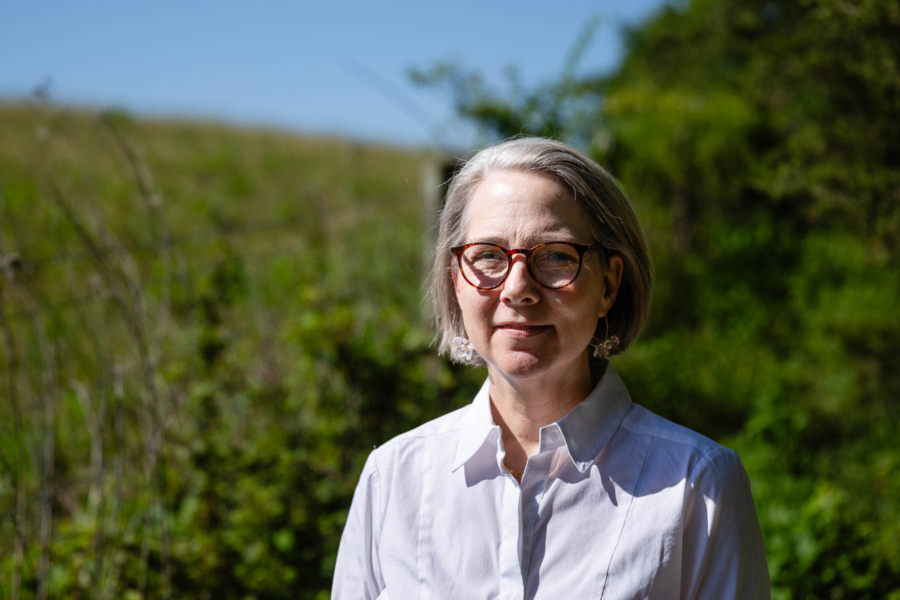
“For a public place like Highland, our main activities are around public history, but I think they're also around public ecology,” said Sara Bon-Harper, executive director at Highland. “That historical ecology of the way people and land interact over time.”
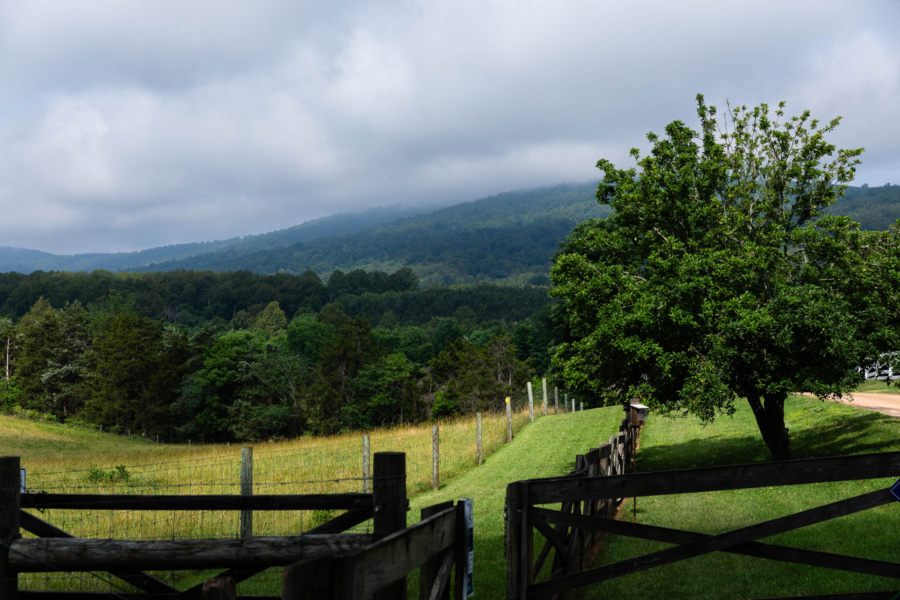
Keeping cows off the trails (and out of the stream)
Developing Highland’s trails, which opened to the public in 2018, was an arduous process, with volunteers whacking and weeding their way through the woods and fighting decades of invasive plant growth.
But one of the biggest challenges came in the form of cattle wandering off the estate’s farm and onto the routes designed for human travelers.
"When we were rotating fields for cattle, the cattle would stomp all over the trails and destroy them,” said Tamara Wamsley, a volunteer at Highland. “You'd come out one morning and the cattle would be on the field that we were trying to use as a trail."
As a solution, farm tenant Rob Harrison worked with Highland leadership to install fencing throughout the pasture to keep the cows off of the trails and away from the stream, as well as numerous water troughs to replace their drinking source. The practice not only fixed their public access issue, but has helped to keep the streams clean, since livestock that enter streams cause erosion and leave behind manure that worsens fish habitat.
According to Harrison, livestock fencing also provides benefits to both farmers and cattle, like being able to control where cows graze and keeping cattle from drinking creek water that they themselves have contaminated.
“You’ll have one downhill from the other drinking the nasty water from the cow above them,” Harrison said, speaking of other farms he’s seen without stream fencing.
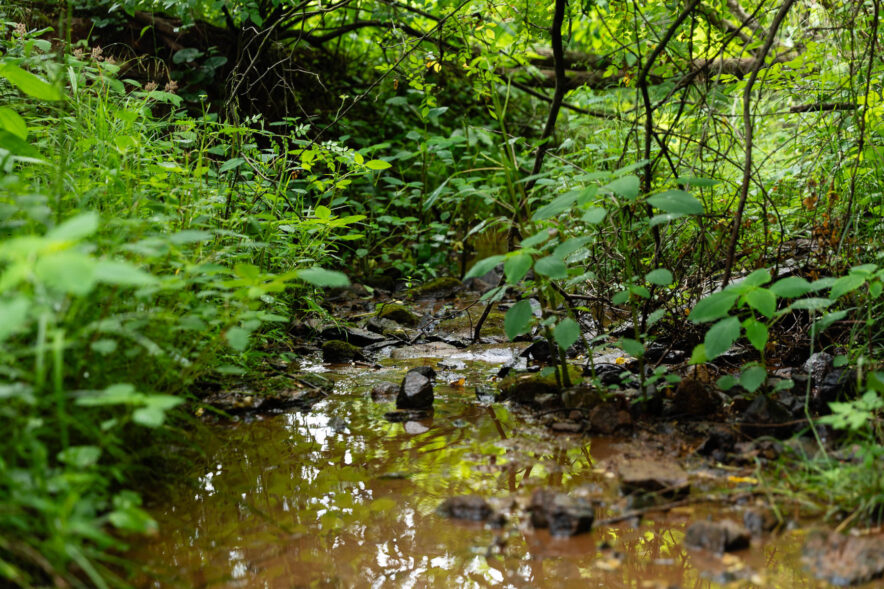
With the streamside fencing in place—a project funded by the Thomas Jefferson Soil & Water Conservation District and the United States Department of Agriculture (USDA)—Highland took yet another step to protect the health of their streams.
Over the years, the area alongside Massey Creek had lost many native trees and become overrun with invasive plants. The absence of a healthy forest led to additional stream bank erosion, and a lack of shade to keep the water cool for coldwater species like trout.
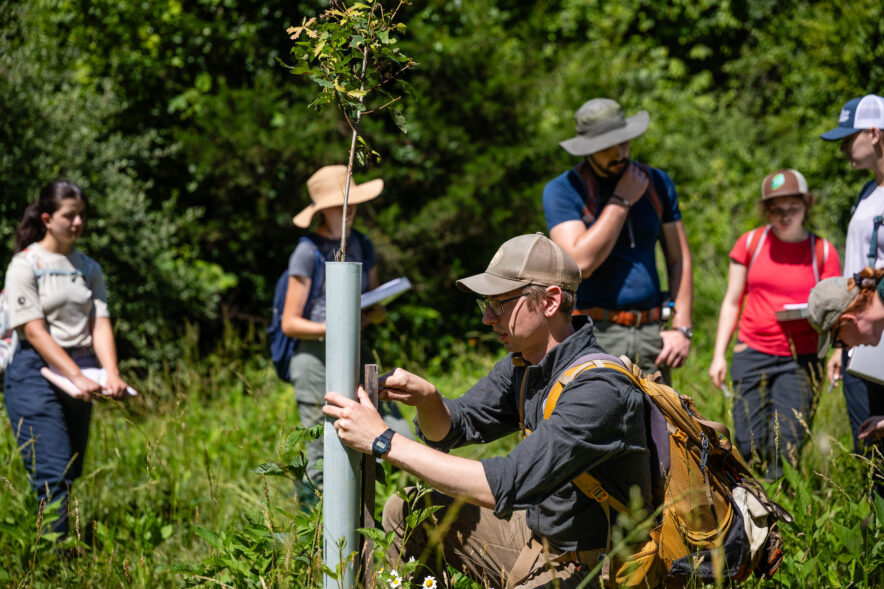
To remedy the situation, Bon-Harper and her team connected with the James River Association (JRA), which manages a forest buffer program. In partnership with Highland, JRA removed invasive plants along a six-acre area and planted a sprawling forest buffer made of nearly 2,000 individual trees and shrubs designed to protect the stream. One of the trails now runs alongside the forest buffer, which will one day be full of shade and mature trees.
“You can see how things have come back…native species that have filled in because of the way we’ve changed the nature of the forest,” said Harlow Chandler, a volunteer who helped design, build, and maintain the trails.
As part of the project, JRA added a “tree library” of mature trees representing 16 species. With a QR code people can scan for more information, visitors can learn about the trees and consider planting them in their own yard to provide the same wildlife and water quality benefits.
“It’s sort of the ‘educate and inspire’ element of the buffer project,” Bon-Harper said. “These 16 species of trees allow people to see the possibilities.”
Fighting off pests and welcoming pollinators
During this same time period, Harrison and his partners at the Soil & Water Conservation District turned their attention to another growing concern at the property: the spotted lanternfly.
First discovered in the U.S. in 2014, the spotted lanternfly is an invasive insect from Asia that is harmful to plants and crops, such as the grape vines grown in Albemarle County’s beloved vineyards. As early as 2021, the pest has been in the Shenandoah region, with each year seemingly worse than the last.
“Last summer was the first summer we really saw a spotted lanternfly in large quantities,” Bon-Harper said.
With more funding from the local Soil & Water Conservation District and USDA, Harrison and Highland volunteers targeted the spotted lanternfly’s host plant, ailanthus, also known as tree of heaven. The team began spraying and removing tree of heaven across almost five acres of Highland, including near the pasture and along the forest buffer site.
According to Wamsley, the team removed mature tree of heaven specimens as well as more juvenile trees nearby, and continue to target these trees as they see them popping up.
“It's an evil, evil plant,” Wamsley said.
Fortunately, fending off spotted lanternflies has been balanced by the creation of pollinator habitat that benefits the local ecosystem.
As part of one of the agricultural grants, Harrison and staff from the conservation district installed a pollinator meadow by the entrance to Highland. Wildflowers that attract bees, butterflies and other beneficial insects are packed into a field that’s kept separate from the grazing pasture, so that the cows don’t disturb it.
The right thing to do
For the team at Highland, stewardship of the land and waters is helping tell a deeper story about Monroe’s estate, the people who lived there and how the land has changed.
Along the rustic trails, visitors can take educational hikes led by Highland staff or learn about the region’s agricultural history through educational signage. Meanwhile, biologists are conducting research at the property to better understand the health of the stream.
The conservation projects add another layer of meaning—as they show how staff are actively making repairs to the land caused by generations of farming, the arrival of invasive plans and other environmental changes.
“It’s the right thing to do for the land, and the right thing to do for a historic site, to address the way the land has turned out due to what people have done in the past,” Bon-Harper said.
Comments
There are no comments.
Thank you!
Your comment has been received. Before it can be published, the comment will be reviewed by our team to ensure it adheres with our rules of engagement.
Back to recent stories