
Chuckatuck Creek flows from the Lone Star Lakes to open waters once replete with oysters
Local organizations strive to restore the creek’s oyster population
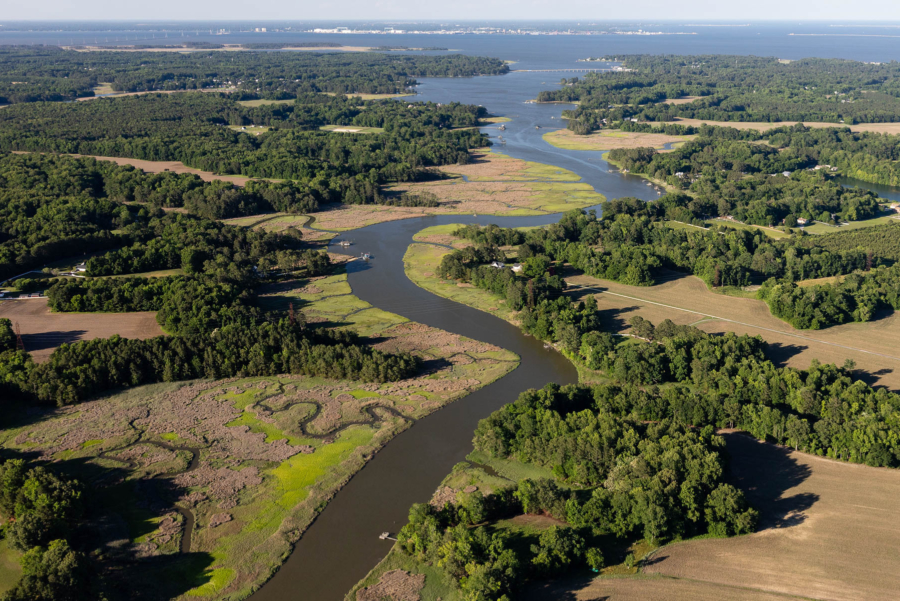
Ask any local about the 12 oddly-shaped “Lone Star Lakes” in southern tidewater Virginia, and you’re bound to hear some fishing stories about crappies, bluegill and catfish. Although these lakes were originally dug out to excavate marl (minerals such as clay and limestone), they now provide abundant fishing for enthusiasts, as well as drinking water for the nearby city of Suffolk.
Crane Lake is rumored to have the highest abundance of fish out of the Lone Star Lakes, perhaps because it’s connected to Chuckatuck Creek, a 13-mile-long stream that parallels the Nansemond River before flowing into the James River. During high tide, salt water from the creek spills into the lake, sometimes sending croaker, big stripers and flounder into the hands of lucky fishermen.
Beyond Crane Lake, Chuckatuck Creek winds through lush marsh habitat and farmland where paddlers and anglers can enjoy calmer waters. After several miles, the tributary eventually widens and turns into open waters where you’re more likely to see powerboats cruising along.
During the late 19th and early 20th century, Chuckatuck Creek was home to a robust oyster industry that has since faded. The towns of Crittenden, Eclipse and Hobson emerged as productive oystering villages near the mouth of the creek where people harvested oysters on the James, Nansemond and Chuckatuck or worked in local canning factories. Of the three, Hobson was a largely African American community formed by formerly enslaved men and women, and is noted as one of the country’s oldest African American oystering villages.
However, by the 1950s the oyster population decreased significantly across all tributaries of the Chesapeake Bay due to decades of overharvest, disease and degrading water quality.
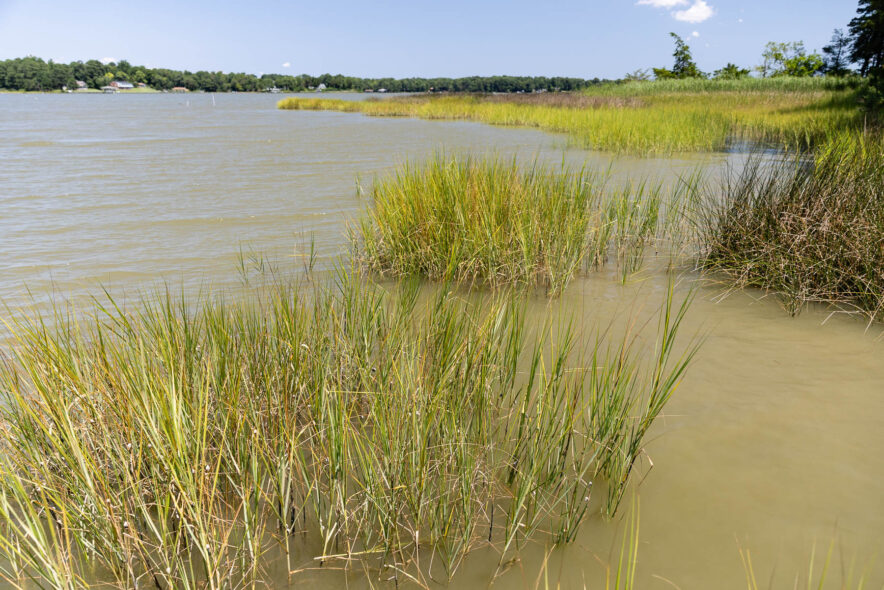
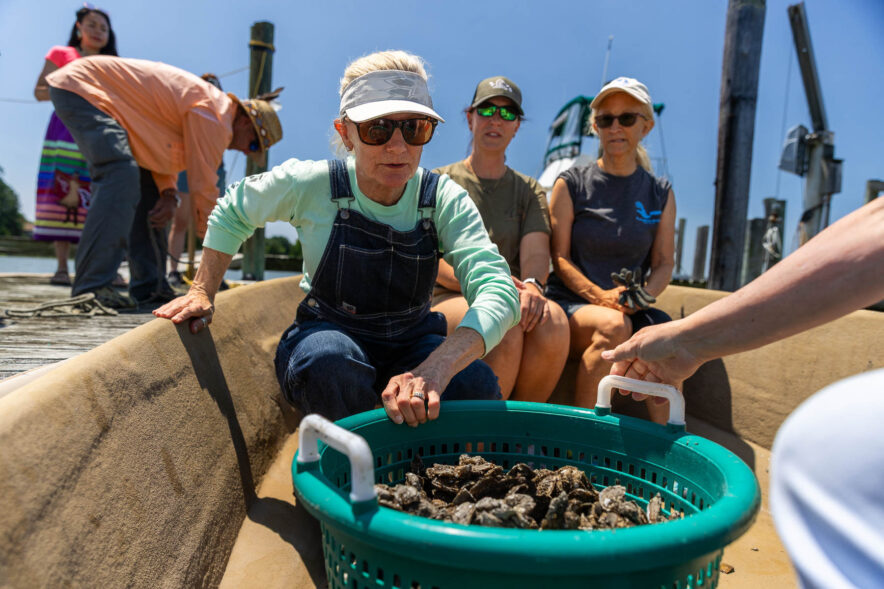
Today, organizations like the Nansemond River Preservation Alliance (NRPA) are working to improve the overall water quality of the creek and restore some of the oyster population. The creek struggles mostly with sediment runoff, which makes the water cloudy and blocks sunlight from reaching important underwater plants, and high nutrient levels that can result in low-oxygen “dead zones” that form during the summer. The NRPA works to reduce runoff to the creek and maintains protected oyster reefs within the creek, and the Nansemond Indian Nation regularly releases juvenile oysters into the tributary after growing them through the Chesapeake Bay Foundation’s Oyster Gardening Program.
Despite its challenges, Chuckatuck Creek is still a scenic tributary and safe for kayaking and fishing—though experts say to avoid swimming within 24 hours of a heavy rain event, which washes bacteria into the water.
Have you ever been on Chuckatuck Creek or are familiar with the area? Tell us about your experience in the comments!
Comments
It is a shame the article did not identify this area as Nansemond Indian aboriginal territory, instead of using a generic term for them. The Nansemond Indians are alive and well, a historic state recognized tribe in Virginia, and trying to obtain some of the land on these waters that were their original home!
If you need help with information on Chesapeake Bay American Indian history, please contact me. NPS Chesapeake Bay Office and the Chesapeake Cnservancy will give you a reference if you need one. Thanks!
Thank you!
Your comment has been received. Before it can be published, the comment will be reviewed by our team to ensure it adheres with our rules of engagement.
Back to recent stories