
Turn your yard into a Bay-friendly habitat
Spring is the perfect time to beautify your yard and save the Bay
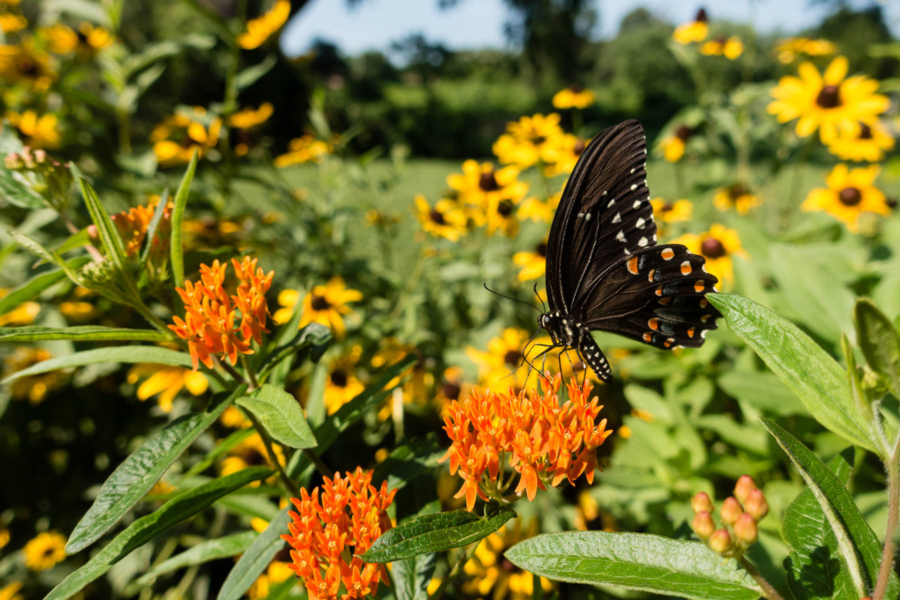
When spring arrives in the Chesapeake region, it's natural to want to get outside and start working in the yard. But this year, your yard can do more than just look nice. With just a few thoughtful choices, it has the potential to protect local streams, provide habitat for native wildlife and support the overall health of the Bay.
Across the watershed, millions of acres of land are covered in traditional turf lawns. Making a few small changes to how you manage your yard can go a long way toward creating habitat for wildlife and reducing polluted runoff. A full lawn makeover may sound daunting, but turning your yard into a Bay-friendly habitat doesn’t have to mean major changes. Here are a few simple steps to get started on making a big difference.
Plant native flowers, trees and shrubs
One of the easiest ways to help the Bay is by planting native species. Native plants are adapted to the region’s soil, seasonal conditions and competitors, meaning they typically require far less maintenance than non-native plants.
Native plants provide essential food and habitat for wildlife like birds, butterflies and bees, so you will also reap the benefit of friendly visitors to observe in your yard. Many native shrubs can also act as natural buffers for excessive rainfall and help control soil erosion. Try planting a mix of flowering plants, shrubs and trees to create a varied habitat. Early bloomers will help pollinators emerging from winter, while later flowers support wildlife throughout the summer and fall. Leaving leaves on the ground also helps protect the soil from erosion in the winter months, while providing cold-weather habitat for beneficial insects, including pollinators.
Compost kitchen scraps
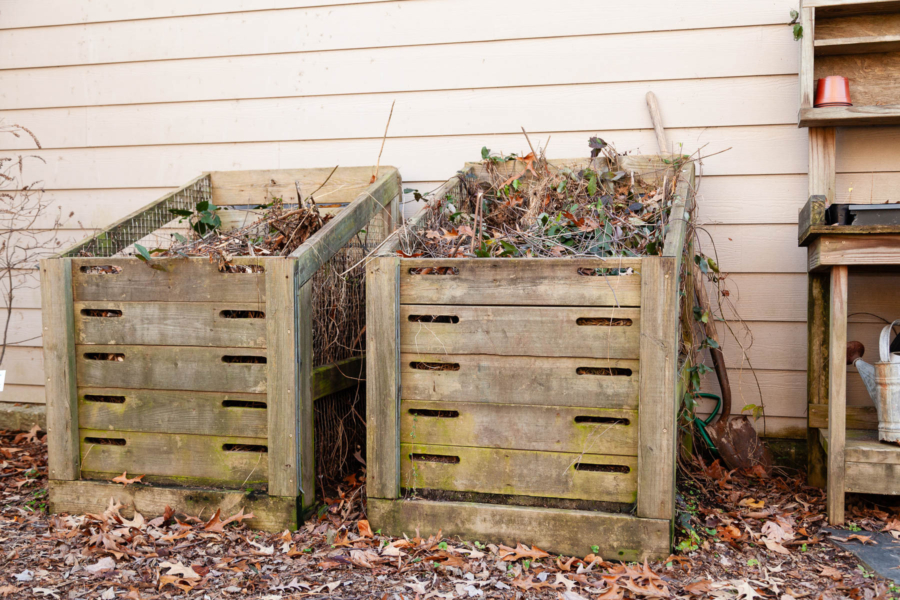
Saving your food scraps not only reduces how much waste you’re throwing in the garbage, it can also serve as fertilizer or mulch for your garden. When organic matter such as food waste is sent to decompose in landfills, they release harmful greenhouse gases that can accelerate rising temperatures. Reusing and composting results in far fewer emissions.
Egg shells in particular serve as an excellent fertilizer as it releases calcium carbonate, phosphorus and magnesium to improve soil structure. To make fertilizer out of egg shells, clean them, break them into small pieces (or grind them into powder) and mix them directly with your soil or place them around established plants.
Reduce chemical use or use Bay-friendly products
Fertilizers, pesticides and herbicides can all wash into nearby storm drains and waterways during rainstorms. Stormwater runoff is one of the leading causes of Bay pollution, degrading water quality, as well as impacting underwater grasses and aquatic wildlife.
Using fewer chemicals, or avoiding them all together, can greatly reduce the risk that they pose to the environment. Native plants are often most resistant to pests and diseases, meaning they usually require fewer to no treatments to stay healthy. You can also use boiling water, table salt or vinegar to douse your weeds instead of chemical weed killers, or you can simply pill them out and dig up the roots.
Instead of relying on chemicals, consider natural methods such as composting, mulch and hand-weeding to maintain your garden.
Capture rain
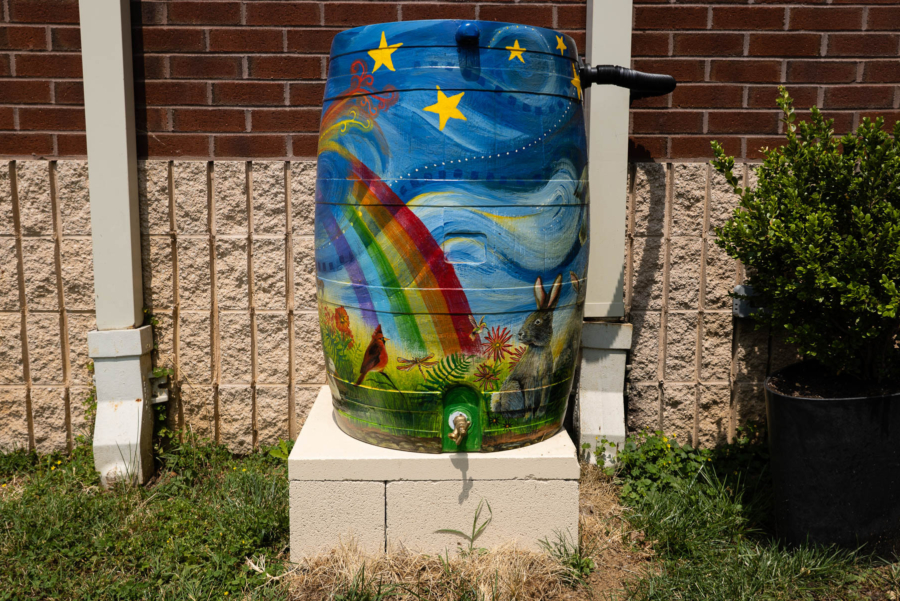
Spring and summer often bring heavy rainfall to the Bay region, and impermeable surfaces cause stormwater runoff that carries sediment, fertilizer, pet waste and other pollutants into local waterways and eventually, the Bay.
Installing features into your yard that absorb rainwater can help slow and filter that runoff. A rain garden using native vegetation captures rainwater and allows it to soak into the soil, and use it to continue growing. Rain barrels can also effectively collect water from your roof or a downspout and store it for watering plants later, and certain jurisdictions even have programs such as RiverSmart and River Star Homes to support homeowners in this.
Starting with one or two simple projects this spring, whether it's planting native flowers, installing a rain barrel or just stopping the use of pesticides in your garden, you can make a significant impact on your local waterways. Creating a healthy Bay can start right in your backyard, use this spring to make a difference!
Comments
There are no comments.
Thank you!
Your comment has been received. Before it can be published, the comment will be reviewed by our team to ensure it adheres with our rules of engagement.
Back to recent stories