
Want to enjoy boating without harming the Bay? Follow these 5 tips
How to boat responsibly on the Bay this summer.
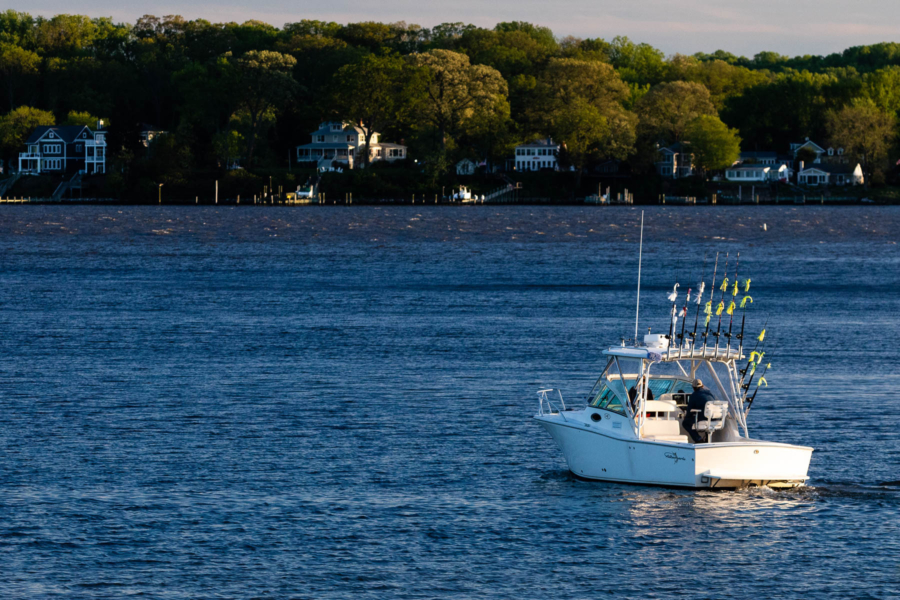
Come summertime, there’s nothing quite like boating out on the Chesapeake Bay. Whether you want to fish, pull up to a dock bar, join a flotilla or all of the above, the estuary and its rivers are a hotspot for summer fun.
But we’re not the only ones out on the water. Nesting birds, fish, dolphins, sharks, turtles, crabs, oysters and a variety of underwater plant life, all thrive in the Bay during the summer months, and some can be surprisingly sensitive to boat traffic.
Fortunately, protecting wildlife doesn’t mean giving up the fun parts of boating. A few small habits on the water can help keep the Bay healthy while making your trip just as enjoyable.
Observe wake laws and boat in correct areas
Wake laws and restricted areas aren’t just in place to limit noise; these rules are critical for protecting wildlife habitat and keeping other boaters and swimmers safe.
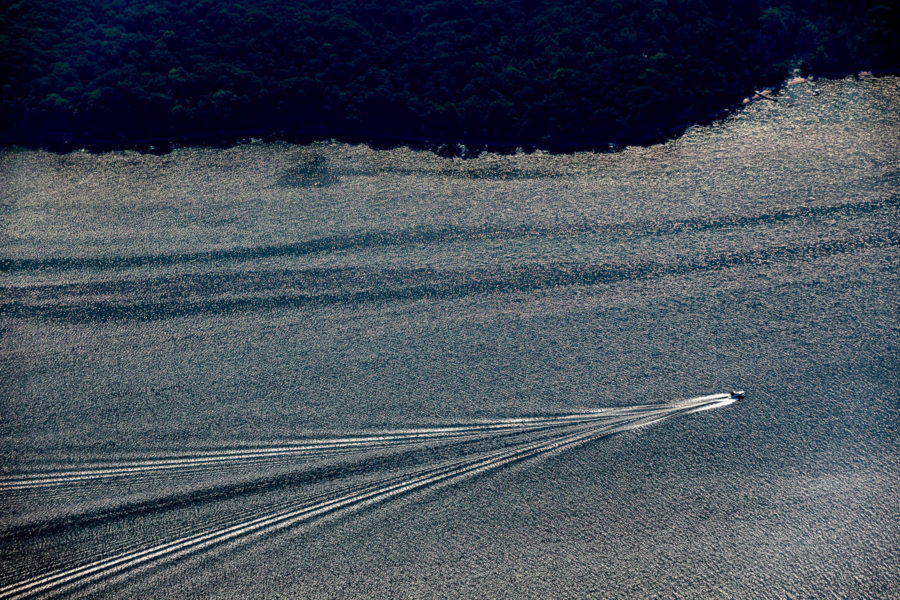
In shallow areas of the Bay, wakes caused by your boat can rip up underwater grasses that are used as habitat for fish and blue crabs. The Bay’s underwater grasses are already threatened, and in some cases, it can take years for grass beds to grow back after being damaged. Wakes in a no-wake zone can also erode nearby shorelines. When this happens, sediment washes into the Bay which clouds the water and worsens fish habitat.
Another important rule is to avoid restricted areas. More often than not, restricted areas consist of shallow waters, where boats are very likely to stir up sediment or chop up underwater grasses. Avoiding these areas is also for the benefit of the boaters since it’s easy to get stuck or harm your propeller and hull.
Prevent fuel spills
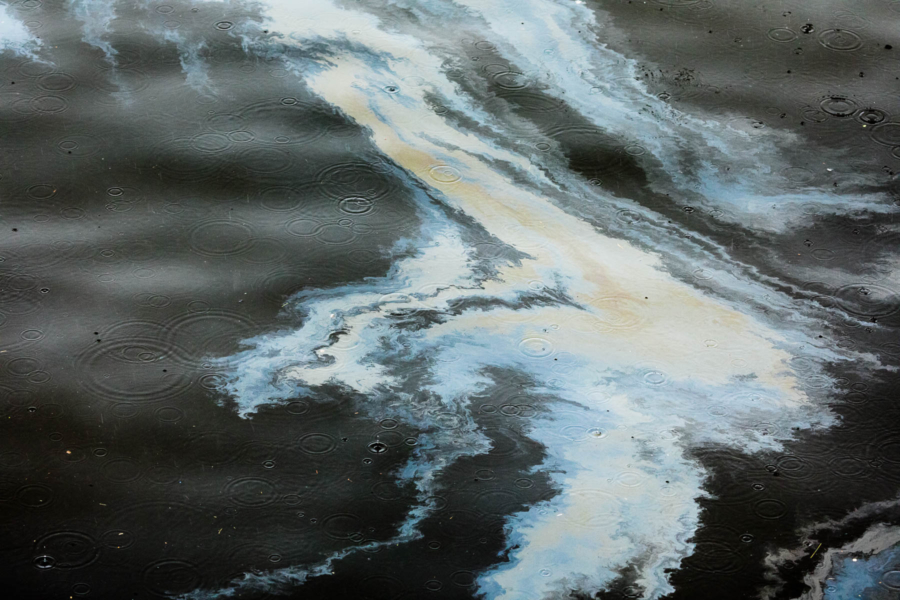
Fuel spills are incredibly dangerous to Chesapeake Bay wildlife and take weeks to dissipate. One of the easiest ways to avoid spills is to only fill your tank up 90% of the way, since gasoline expands and contracts, causing it to overflow. You should also check your fuel lines regularly to make sure they aren’t damaged. In case you ever do leak fuel into the Bay, keep oil absorbent pads on board that you can use to contain the spill.
Stash your trash
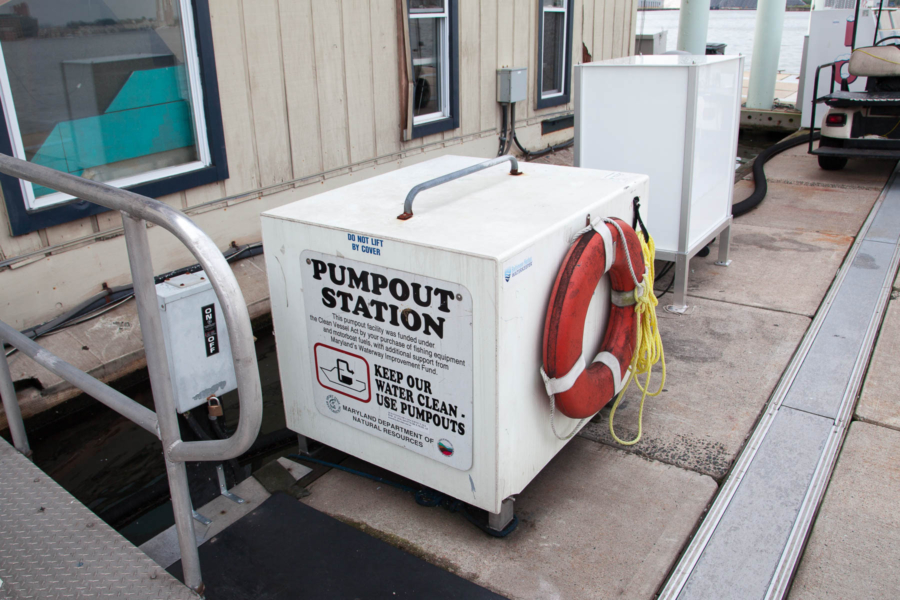
If you’re spending the day out on the water, chances are you may have some empty water bottles, food wrappers or other trash to throw out. Make sure you collect all of your trash in a secure place that won’t blow off the boat, and properly dispose of it once you make your way back to land. Fishing lines are particularly harmful to marine life, so make sure you keep yours on board if you are out fishing. If you see any trash in the water and it is safe to do so, feel free to also pick it up and store it until you reach the shore. The same goes for human waste—keep it onboard until you get a chance to visit a pumpout station.
Follow fishing regulations
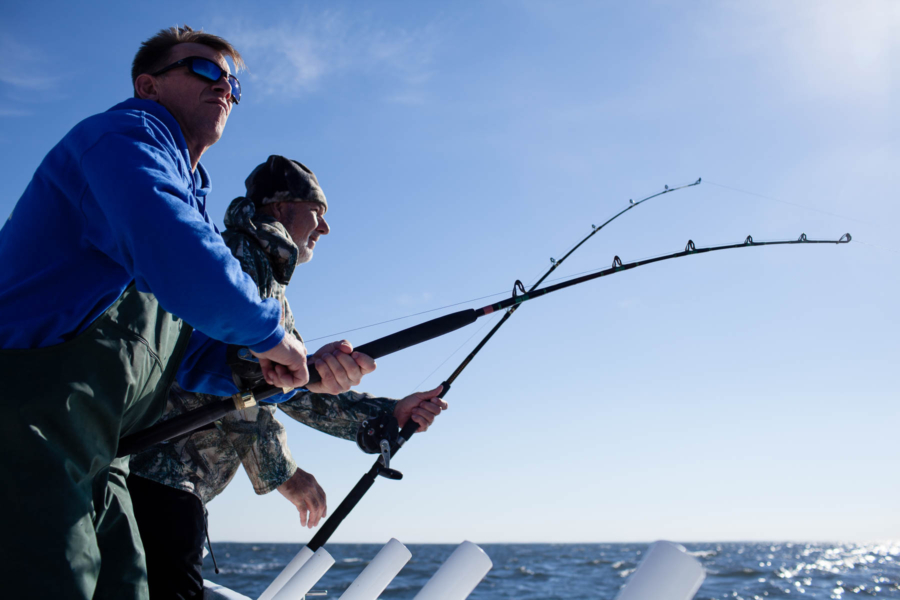
Fishing is one of the best ways to enjoy the Bay during the warmer months, and it's important to follow the rules and regulations in your area to ensure you aren’t disrupting the ecosystem. Practicing proper catch-and-release fishing techniques is the best way to avoid accidentally harming and killing the Bay’s fish. If you are going to keep your catch, make sure to follow all size and bag limits to help protect the Bay’s fish population. Also be sure to never dump bait or aquarium species into a body of water or storm drain, as the species may not be native to the habitat. You should also be aware of fish consumption advisories that determine how safe it is to eat fish caught in different parts of the Bay.
Work on your boat on land
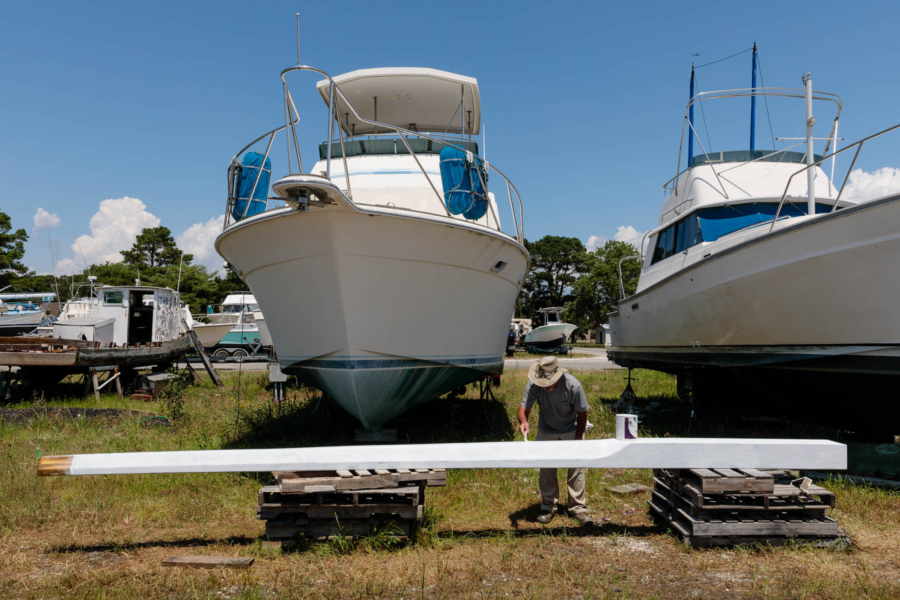
When working on your boat, it can be easy to keep it in the water or just up on the dock, but the effort to get it out onto land is definitely worth it. Maintenance work can easily cause old paint, debris or waste to fall off and into the water, which is harmful to marine life. Conducting work on land allows for a much more controlled setting so that nothing dangerous falls into the water and all debris can be properly disposed of.
If your maintenance requires repainting your boat, be sure to use non-toxic paints. Many paints contain metals which can be damaging to marine life. Consider using less toxic paints, and prevent polluting the water by using gentle materials when cleaning your vessel.
Always follow the Clean, Drain, Dry protocol for all watercrafts to reduce the spread of invasive species.
Following all these tips and tricks will ensure a safe and fun Bay for many summers to come. Happy boating!
Visit our website for more tips on protecting the Chesapeake Bay.
Comments
There are no comments.
Thank you!
Your comment has been received. Before it can be published, the comment will be reviewed by our team to ensure it adheres with our rules of engagement.
Back to recent stories