
Fish for native and wild trout at Soaring Eagle Wetland
A 135-acre park in Julian, Pennsylvania attracts wildlife and people alike
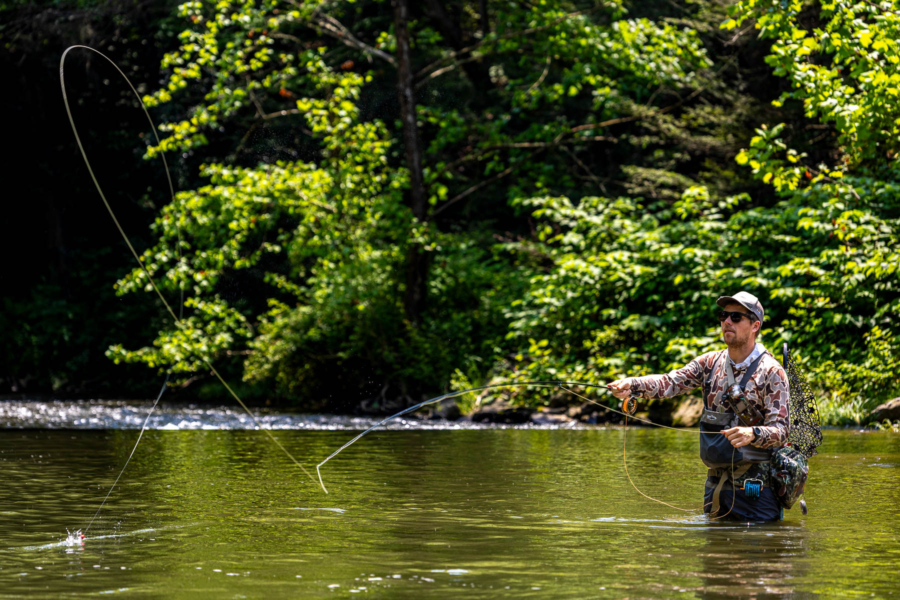
About 12 miles west of Penn State University, Soaring Eagle Wetland is a lush greenspace with walking trails, wildlife habitat and fishing access to Bald Eagle Creek, a tributary of the Susquehanna River.
More than 20 years ago, the 135-acre property was conserved as part of a mitigation strategy related to the construction of Interstate 99. In 2010, Soaring Eagle Wetland was established and donated to the Wildlife for Everyone Foundation, a nonprofit designed to promote wildlife conservation and education in Pennsylvania.
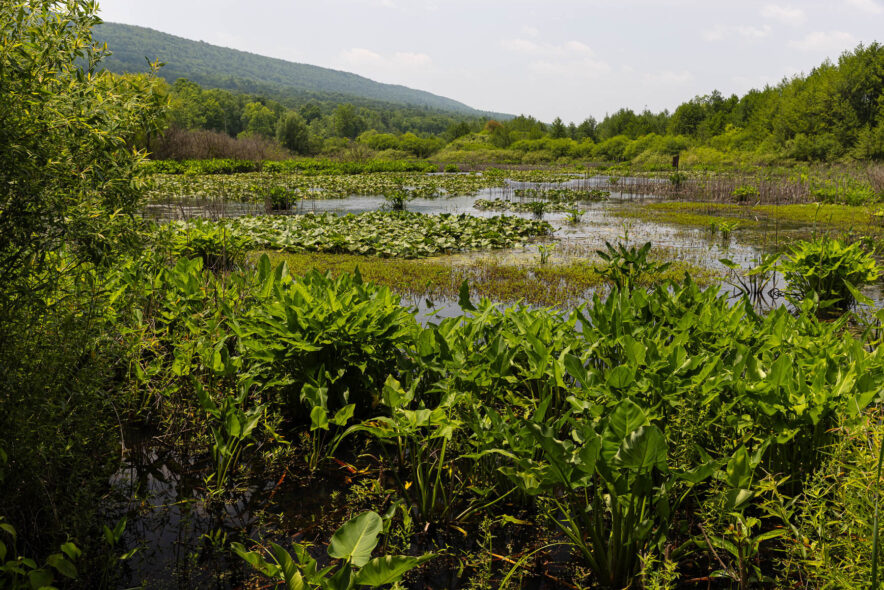
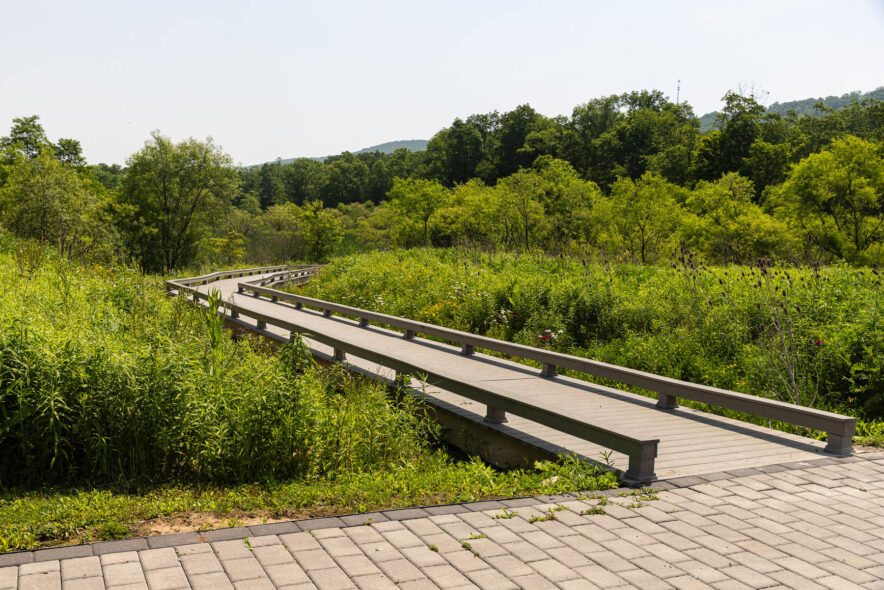
The park’s main attraction includes a 55-acre wetland that is home to a variety of wildlife. According to the foundation, beavers, amphibians and large amounts of monarch butterflies have all been seen using the wetland, as well as the 170 bird species identified on eBird. Wildflowers like asters and goldenrod can be found along one of the park’s trails (all of which are ADA accessible) or wildlife viewing platforms.
Located next to Bald Eagle Creek, the park is also popular among anglers. Each year, Bald Eagle Creek is stocked with small and trophy-sized fish through the Pennsylvania Fish and Boat Commission’s Keystone Select Stocked Trout Waters program. Local anglers have also been known to skip the platform and fly fish in the middle of the creek for stocked and wild trout.
Though many miles from the Chesapeake Bay, the wetlands found in this park offer critical habitat for waterfowl that breed and migrate throughout the region. As species such as canvasback, common goldeneye and bufflehead migrate to and from the Bay, they count on protected wetlands as a rest stop to look for food.
The park’s wetland also acts as a buffer that soaks up stormwater runoff before it reaches Broad Creek. The creek is one of the many small tributaries that feed the Susquehanna River, which enters the Chesapeake Bay in Havre De Grace, Maryland.
Throughout the Bay watershed, the Chesapeake Bay Program partners restore and enhance wetland while opening up new public access sites. In 2024, the partnership met its goal of opening up over 300 new sites for fishing, boating and swimming.
Have you visited Soaring Eagle Wetland or the nearby Soaring Eagle Mountain? Let us know in the comments!
Comments
There are no comments.
Thank you!
Your comment has been received. Before it can be published, the comment will be reviewed by our team to ensure it adheres with our rules of engagement.
Back to recent stories