
The deadly carnivorous plant that hardly ever kills its prey
The purple pitcher plant traps and drowns its unsuspecting victims in a deadly pool
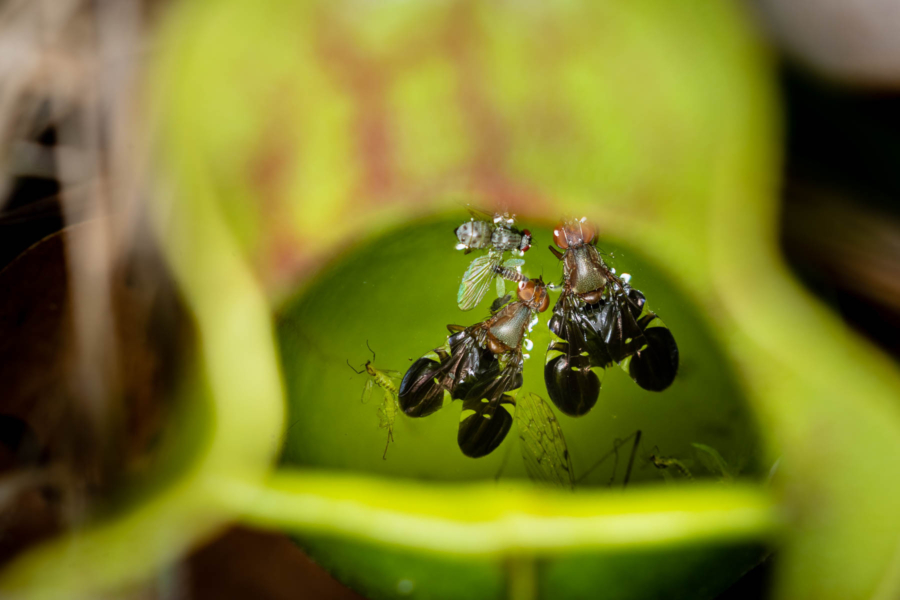
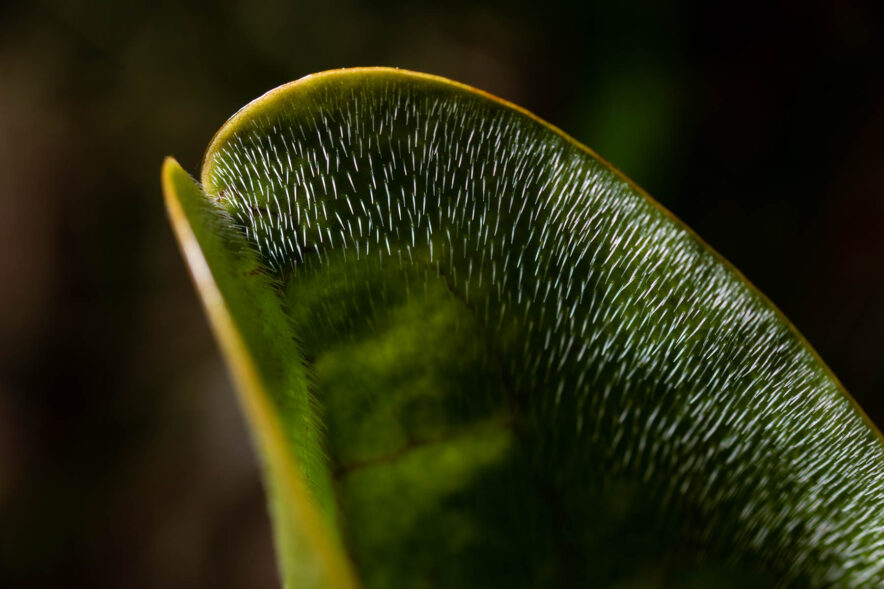
Plants are typically at the bottom of the food chain, but the purple pitcher plant is a deadly exception. This ravenous plant traps and drowns unsuspecting prey using its pitcher-shaped leaves, which naturally fill with rainwater that the plant laces with digestive enzymes. The critters that fall into this deadly pool are trapped by the leaves’ steep walls, which are coated in stiff, downward-pointing hairs that prevent escape.
Purple pitcher plants devour a wide range of flying and crawling insects like flies, moths, ants and crickets using this strategy. They have even been found to eat entire newts and salamanders. But despite the fearsome impression this impressive list of victims may conjure, the purple pitcher plant has a secret: it only actually succeeds in trapping and digesting its prey 1% of the time. Each day, numerous critters wander into the pitcher plant’s leafy traps and live to tell the tale.
Making matters even less menacing, pitcher plants get help with bringing down their prey from an entire community. Bacteria and other small invertebrates all live unharmed in the pool of water inside pitcher plant leaves. As these residents feed on the decaying remains of trapped prey, they act as a digestive aid for the pitcher plant. This type of mutually beneficial relationship between different species is called mutualism.
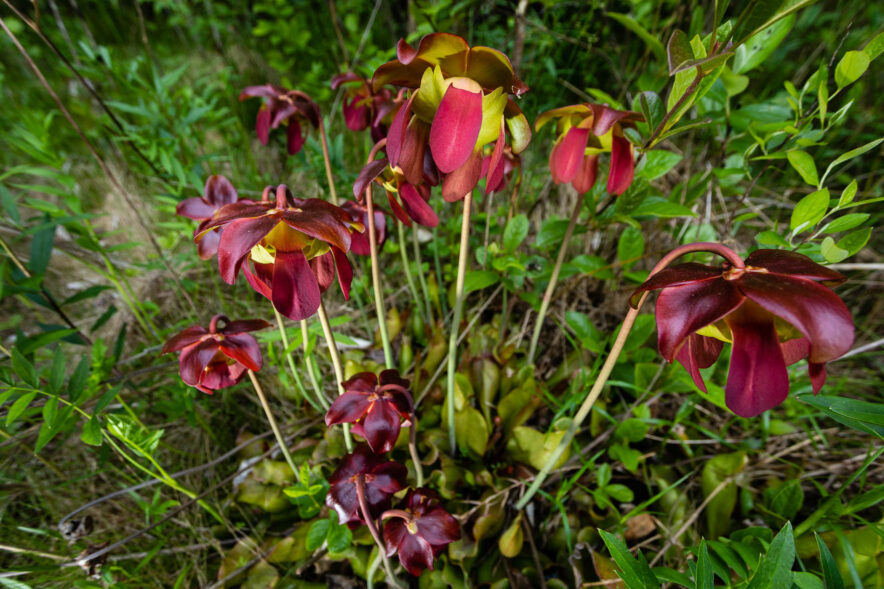
While the pitcher plant’s deadly leaves get most of the attention, their flowers are also quite striking. Purple pitcher plants produce a single flower on a leafless stalk that is dark purplish-red in color. They typically bloom in late spring and mid-summer in the Chesapeake Bay watershed. Like many flowers, they are primarily pollinated by bees.
Once pollinated, the pitcher plant’s flowers are replaced by fruit that hold many small seeds. The seeds need a period of cold temperatures to germinate, an adaptation called “cold stratification” that many plants have to avoid germinating too early and perishing in winter.
Purple pitcher plants can be found in a wide variety of wetland habitats, from swamps and bogs to the humble roadside ditch. The next time you’re near one of these habitats, take a quick look. You might get to see one of these (not so menacing) hunters in action.
To learn more about the purple pitcher plant and other plants or animals found in the Chesapeake Bay, check out our field guide.
Comments
There are no comments.
Thank you!
Your comment has been received. Before it can be published, the comment will be reviewed by our team to ensure it adheres with our rules of engagement.
Back to recent stories