
Three Part Harmony farm nourishes D.C. community
Gail Taylor and her crew of volunteers believe in accessible produce for all
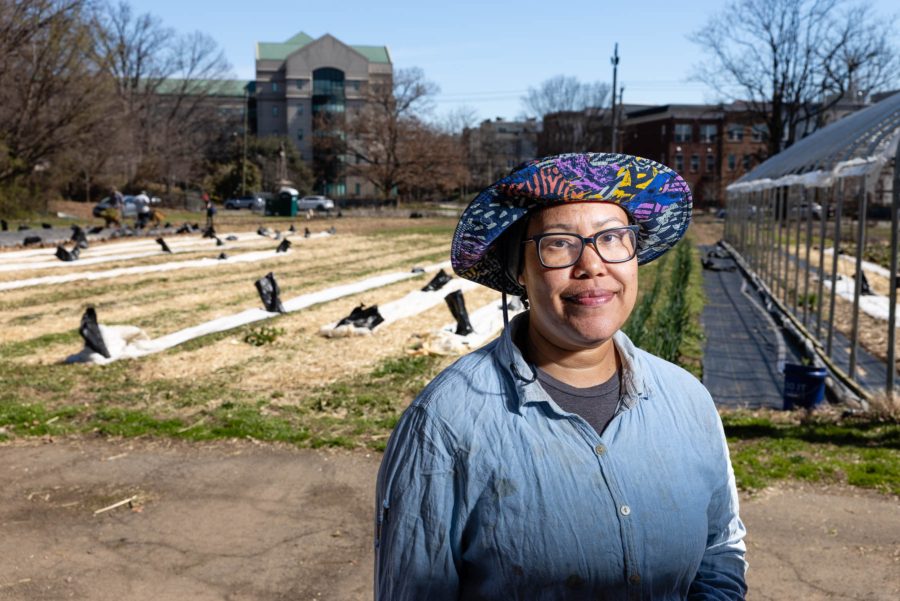
Tucked between the bustling streets and residential buildings of Washington, D.C., the half-acre Three Part Harmony Farm stands out as a vibrant green space among the city scene. Its owner Gail Taylor and several volunteers are getting started on the spring season by prepping planting beds for their first crop, which will be potatoes. As they work, the crew recounts how they got involved with the farm and what it means to them.
“I was working at a 285-acre farm in Upper Marlboro, [Maryland], and I didn't want to drive to work anymore,” Taylor says. Taylor’s long commute inspired her to open a farm closer to home, which would also allow her to help her community. “I was like, 'I can grow food for the people in my house. I can grow food for the people on my block. I can grow food for the people in my church, and anybody else who wants it.’"
In 2012, Taylor started Three Part Harmony Farm on a former soccer field with the goal of growing healthy and affordable produce for D.C. residents. The farm uses organic and sustainable farming practices: planting cover crops to reduce erosion, using compost as fertilizer and generally working to improve the health of the soil. Taylor sells food from the farm through a community supported agriculture (CSA) program, giving customers the option to pay for a full or half share, or even participate for free based on what they feel they can contribute financially.
As a Black woman from the Midwest, Taylor finds it important to create opportunities for other people of color. This mission attracted volunteers like Edith Lopez Estrada, who is helping Taylor and the others get the farm ready for spring.
“What brought me to the farm was being a part of the community, supporting Black and Brown farms, and learning from Gail,” Estrada says. Working the row of future potatoes alongside Taylor, Estrada recalls the history of farming in their family. “My grandparents are farm workers in Mexico and my parents come from Mexico—just getting on the land and being reconnected to the land in that way has felt really, really great."
Supporting the next generation of sustainable farmers is another important aspect of Three Part Harmony Farm. Taylor is committed to teaching volunteers and CSA members alike about the importance of organic and sustainable farming.
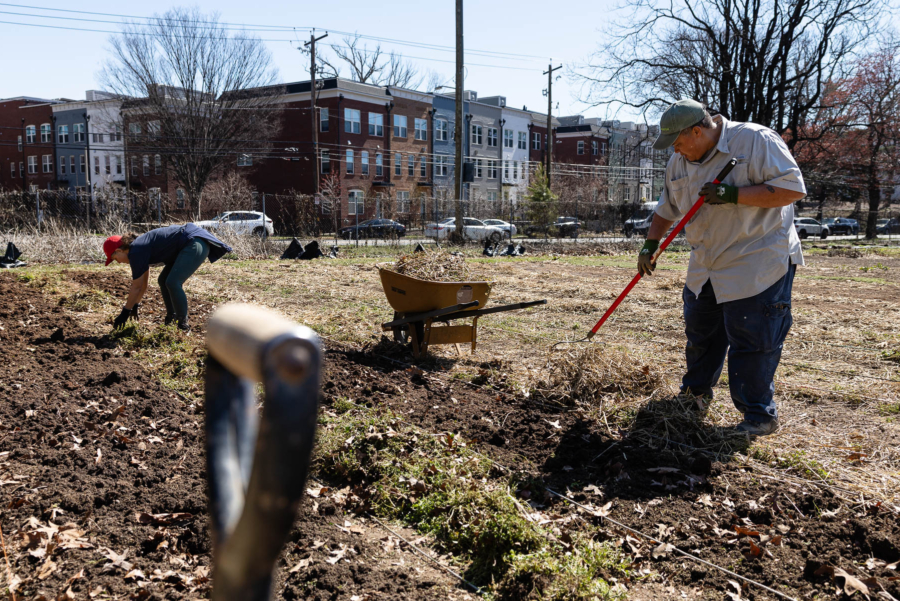
Kiki Hamilton has been working at the farm and learning from Taylor for the last five years. After wanting to volunteer at Three Part Harmony as a way to connect with her child, Hamilton fell in love with the way in which the space brings people together and supports non-traditional farmers, such as Black, Indigenous, and People of Color (BIPOC).
“What brought me here is being a part of a community,” Hamilton says. “I just enjoy it. It makes me feel good."
Turning the soil and pulling weeds with the other volunteers is Khalif, who believes that “land, community and people are the center of life,” which is why agriculture is so important to him. “The universe makes sense to me through land, and through Gail,” he says.
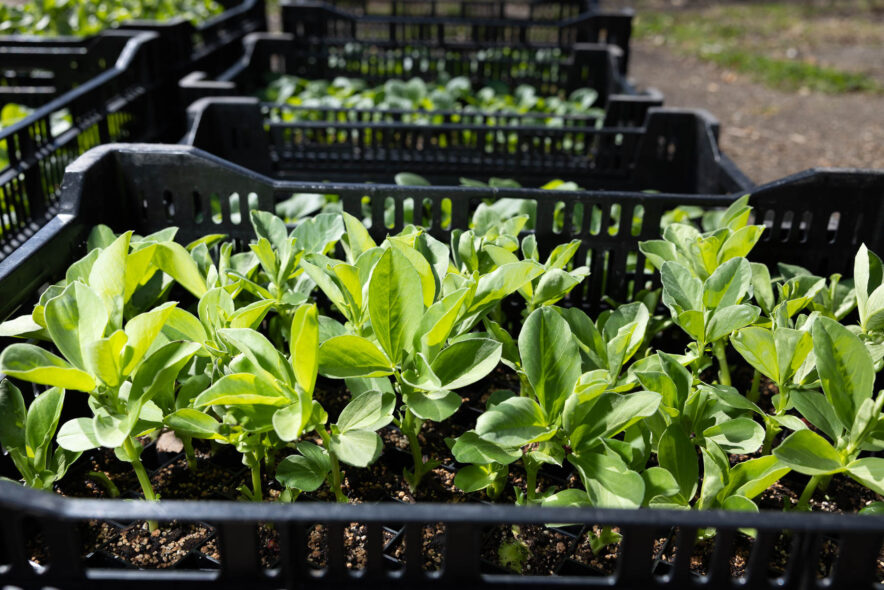
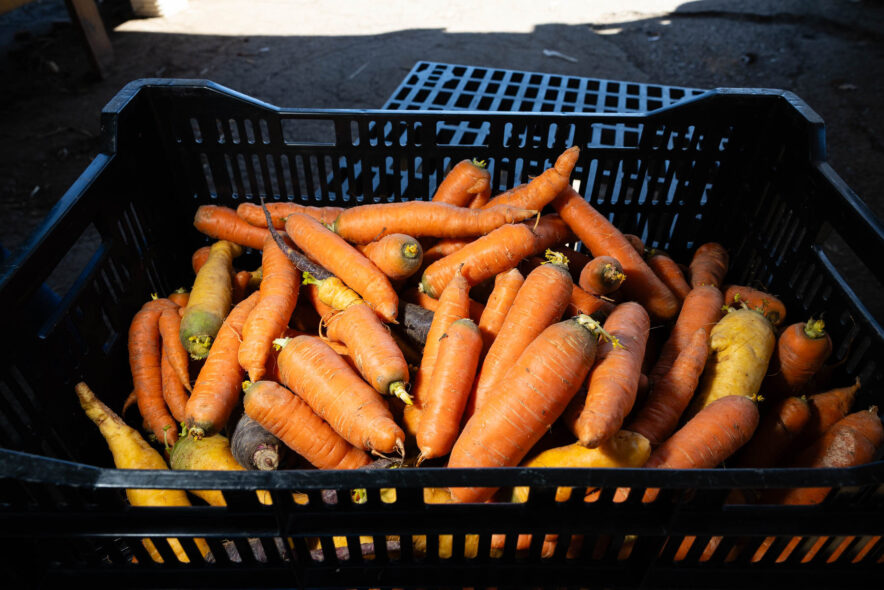
Small farms like Three Part Harmony Farm provide more than just fresh food and a sense of belonging—they also benefit the Chesapeake Bay. In urban areas like Washington, stormwater runoff washes high amounts of nutrients and sediment into nearby waterways, which degrades habitat for marine life. But small agricultural properties and community gardens help soak up stormwater runoff, especially when the soil is in good condition.
With summer approaching, Taylor and her volunteers will soon see the result of all their hard work. From growing healthy and affordable food to nurturing an inclusive community, Three Part Harmony Farm has become ingrained in its community and is expecting to widen its impact in years to come. To learn more about the farm, you can visit their website and attend upcoming events.
Comments
There are no comments.
Thank you!
Your comment has been received. Before it can be published, the comment will be reviewed by our team to ensure it adheres with our rules of engagement.
Back to recent stories