Chesapeake Bay Awareness Week 2026 celebrates “defenders and protectors” of the Bay
June 8, 2026Celebrate Chesapeake Bay Awareness Week and honor the many features of the Bay watershed that create and sustain a national treasure.
Read story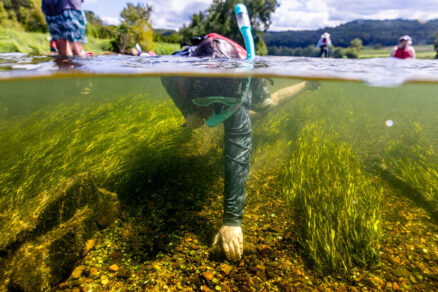

Our regional partnership guides the restoration and protection of the nation’s largest estuary.
Learn more about usCelebrate Chesapeake Bay Awareness Week and honor the many features of the Bay watershed that create and sustain a national treasure.
Read story
Don’t confuse this small flat fish for a flounder
Read story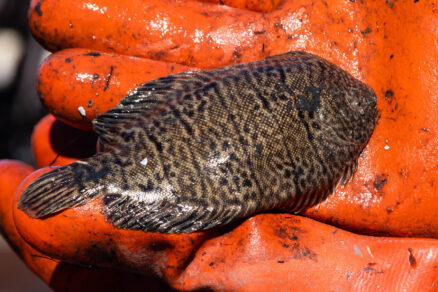
How will the designation enhance the Chesapeake Bay restoration movement?
Read story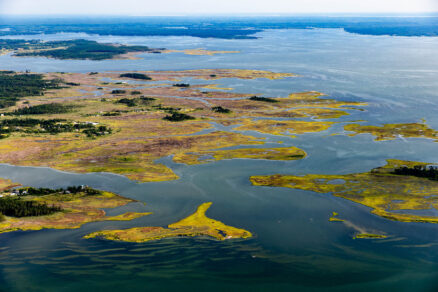
 Thriving Habitat, Fisheries & Wildlife
 Clean Water
 Healthy Landscapes
 Engaged Communities
Our partnership is guided by the Chesapeake Bay Watershed Agreement: a collaborative commitment to restore, conserve and protect the Bay, its tributaries and the lands that surround them.
Learn more about the latest agreementThousands of creeks, streams and rivers deliver fresh water to the Bay from a region that spans 64,000 square miles.
Learn more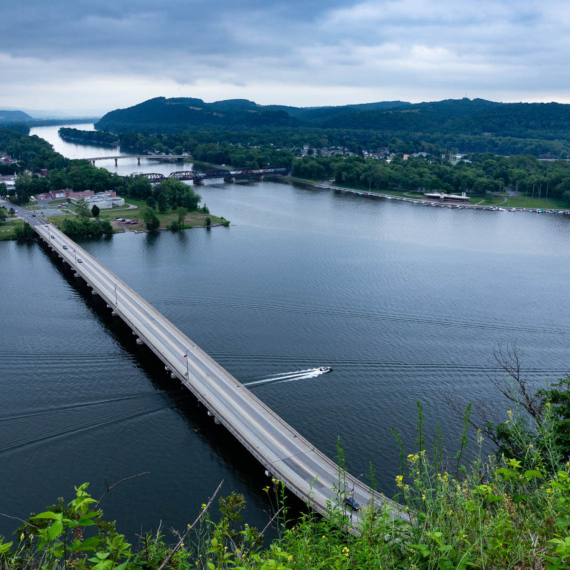
A balanced food web supports a productive ecosystem, as energy flows from the Bay's plants to its predators.
Learn more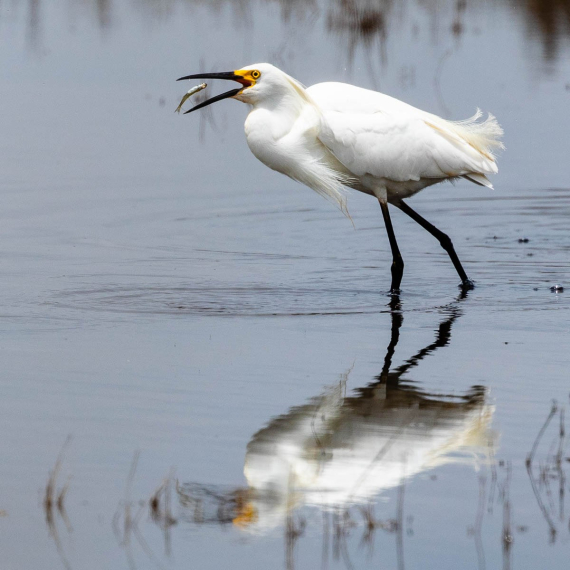
Complex problems face the Bay, its watershed and the plants, animals and people that live here.
Learn more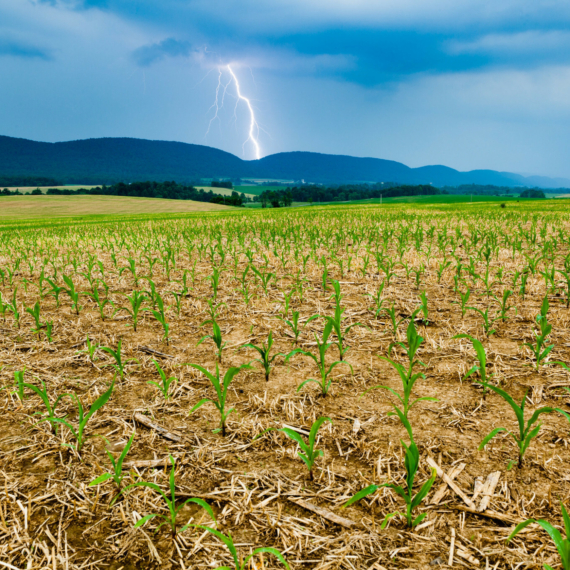
From trivia about its geography to facts about its flora and fauna, the Bay has a lot to teach us.
Learn more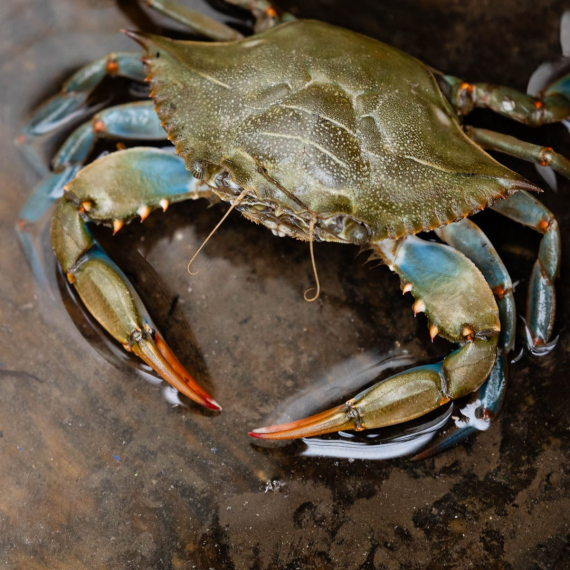
Explore the Field Guide to learn about more than 300 species of birds, fish, insects, invertebrates, mammals, plants, reptiles and amphibians that live in the Chesapeake Bay region.
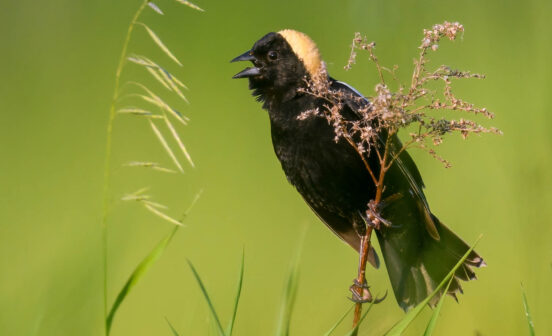
Visit the field guideThe bobolink is a small, migratory songbird that travels to and from the Chesapeake region from South America each year.
View critter