
The 2024-2025 Bay Barometer: A Defining Year for the Chesapeake
Record-setting restorations, major gains and remaining challenges: takeaways from this year’s report
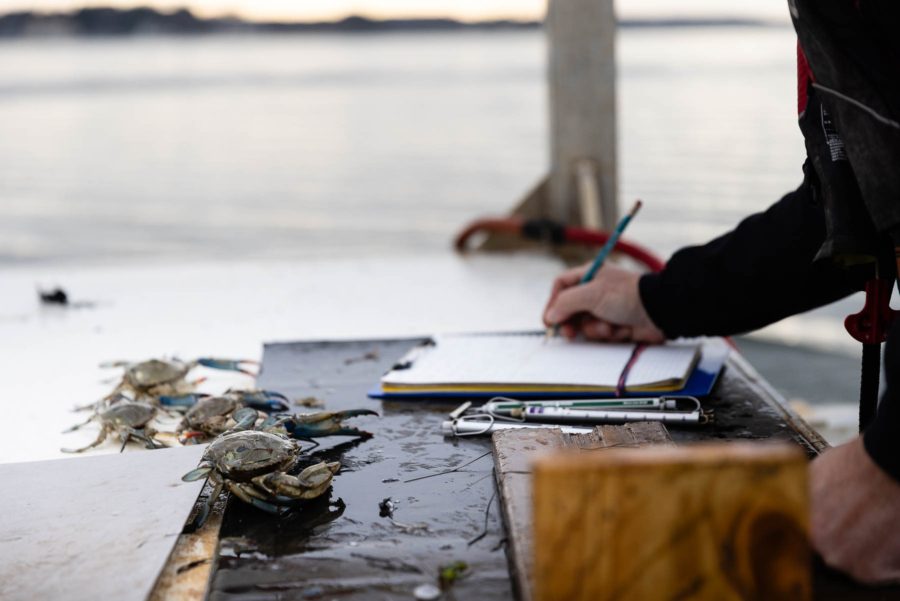
Chesapeake Bay Program partners spent much of the year preparing a revised version of the Chesapeake Bay Watershed Agreement, which was formally approved by the Chesapeake Executive Council in December 2025. These updates were necessary as many of the outcomes in the 2014 Chesapeake Bay Watershed Agreement had a target of 2025 in which to meet their goals.
This year’s Bay Barometer provides the final progress update on the goals and outcomes of the 2014 Watershed Agreement. Here are five key takeaways from the annual report.
World’s largest oyster restoration project completed
In the summer of 2025, Chesapeake Bay Program partners finished restoring oyster reefs in all 10 tributaries committed to under the 2014 Chesapeake Bay Watershed Agreement—plus an additional tributary in Virginia’s Eastern Branch of the Elizabeth River. In total, 2,294 acres of oyster reefs were restored, making this the largest oyster restoration effort in the world. These reefs—and the billions of young oysters added along the way—provide habitat for fish, filter pollutants from the water and support the region’s economy.
Underwater grass acreage rebounding
The Chesapeake Bay Program set a goal of restoring 130,000 acres of underwater grasses by 2025. While that target has not yet been met, underwater grasses have made significant long-term gains. After heavy rainfall in 2019 caused a sharp decline, grasses have steadily rebounded, with historic gains recorded in both the lower and upper Chesapeake Bay in 2024. Overall, underwater grass coverage has more than doubled since monitoring began in 1984.
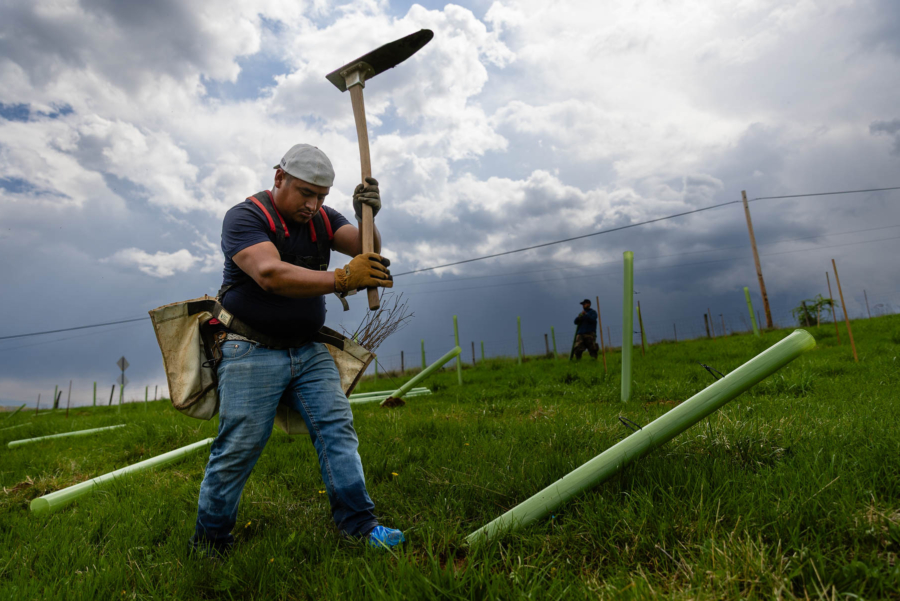
Buffer plantings slowed down in 2024
From 2019 to 2023, Chesapeake Bay Program partners increased the pace of planting forest buffers along streams thanks to new investments and improved tracking. In 2024, about 227 miles of streamside forest buffers were planted—close to the long-term average. However, the region has lost forested stream areas over time, showing the need to protect existing buffers while planting new ones.
More than nine million acres of land are permanently protected in the Bay watershed
Since 2010, Chesapeake Bay Program partners have permanently protected an additional 1.8 million acres of land in the watershed, which falls just under the restoration goal of two million acres. Overall, there is now 9.28 million acres of permanently protected land in the region. Efforts will continue to protect forests, farms, wetlands and other lands that help keep the Bay and its tributaries healthy.
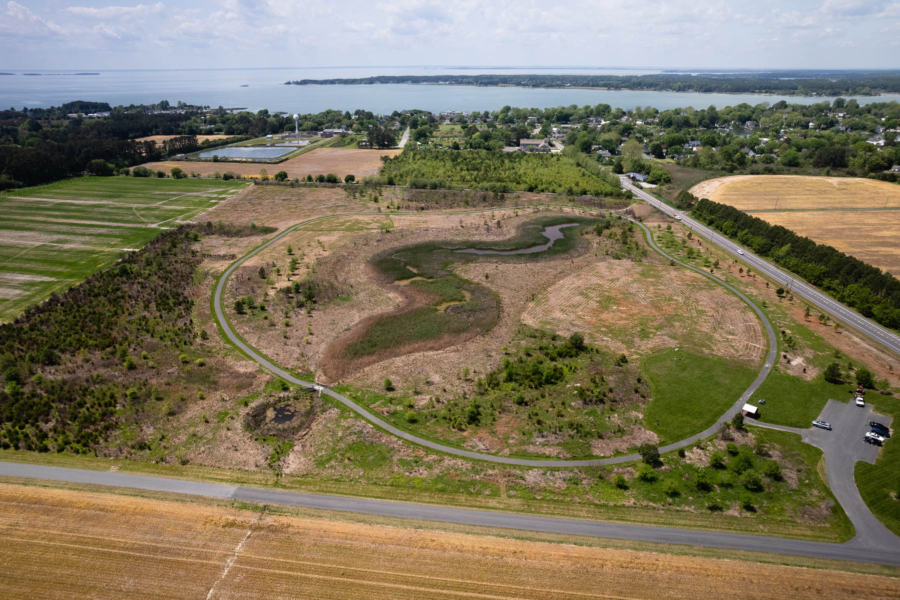
Expanded public access to the water
Since 2010, partners have opened 312 new public access sites—including docks, piers and boat ramps—surpassing the goal of 300 new sites across the watershed. These additions help people connect with local waterways, foster stewardship, and support outdoor recreation and tourism. Today, there are 1,451 public access sites across the six watershed states and the District of Columbia.
Explore the full 2024–2025 Bay Barometer to learn more about progress toward all outcomes of the 2014 Chesapeake Bay Watershed Agreement.
Comments
There are no comments.
Thank you!
Your comment has been received. Before it can be published, the comment will be reviewed by our team to ensure it adheres with our rules of engagement.
Back to recent stories