Search Results
Results
Pages:Invasive Species
Last updated: October 30, 2026
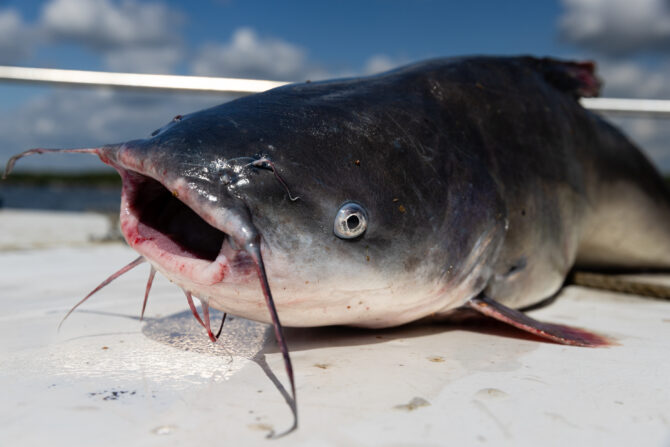
Videos:Blue Catfish
Last updated: September 15, 2026
How can we manage the impact of this invasive species?
Stories:Understanding the Chesapeake’s catfish problem
Last updated: July 28, 2026
Pages:Invasive Species Removal Workshop
Last updated: June 1, 2026
FAQ:Invasive Species
Last updated: June 23, 2025
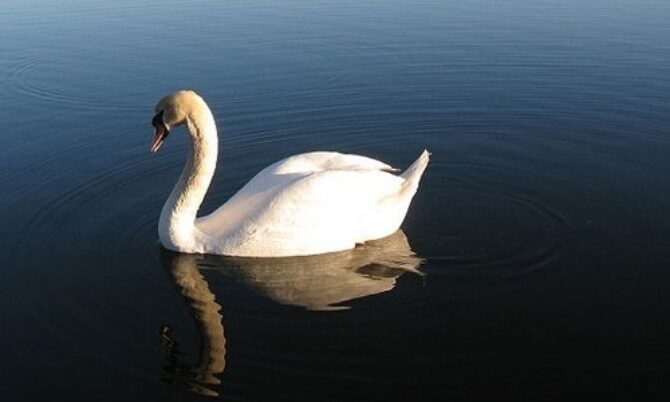
Plants & Animals:Mute Swan (Cygnus olor)
Last updated: October 22, 2026
The mute swan is a large, white bird that lives on shallow waters throughout the Chesapeake Bay region. It is an invasive species.
Stories:Ten invasive species of the Chesapeake Bay
Last updated: December 1, 2022
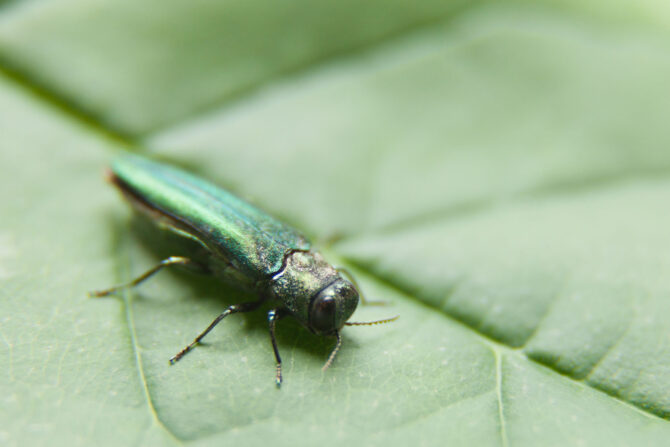
Stories:Don’t deck the halls with invasive species
Last updated: November 13, 2023
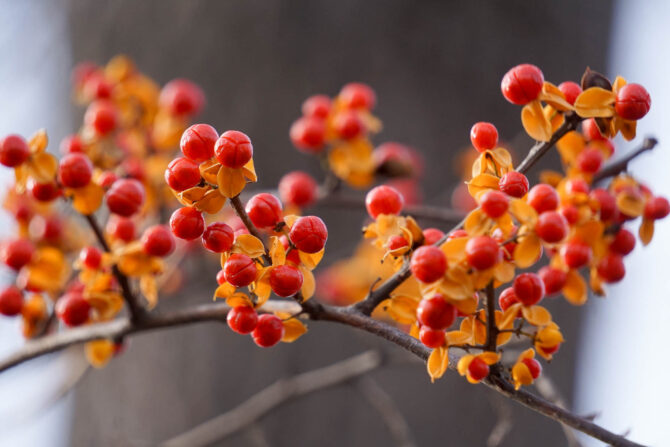
Stories:Seven recipes using invasive species
Last updated: October 13, 2022
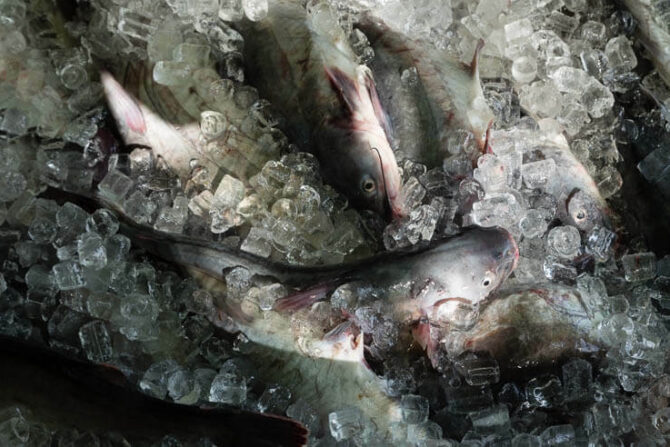
Stories:How invasive species could be impacting salamander habitat
Last updated: January 30, 2023
Stories:Protecting a wetland from invasive species
Last updated: July 22, 2022
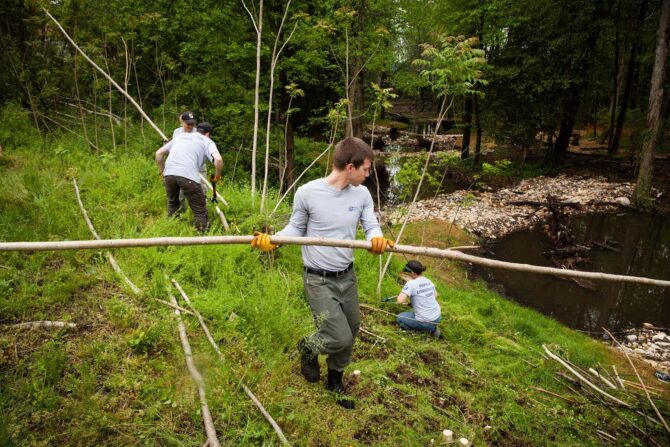
Stories:What invasive species are in the Bay and how did they get there?
Last updated: January 30, 2023
Stories:Shall I compare thee to an invasive species?
Last updated: October 5, 2023
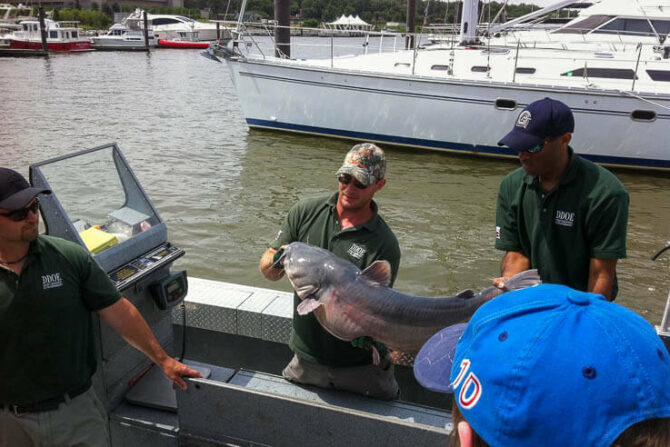
Stories:Scientists to develop management plan for invasive catfish
Last updated: January 30, 2023
Publications:Recommendation for a) the Reauthorization of the National Invasive Species Act of 1996, and b) the N
Last updated: May 9, 2025
Recommendations on the reauthorization of the National Invasive Species Act specially dealing with Ballast Water Issues in Chesapeake Bay.
Pages:Urban Woods Cleanup
Last updated: June 9, 2025
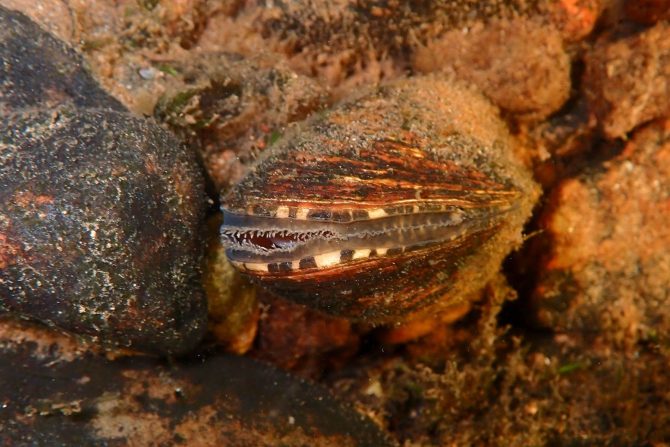
Stories:A small creature faced with a big environmental task
Last updated: March 26, 2024
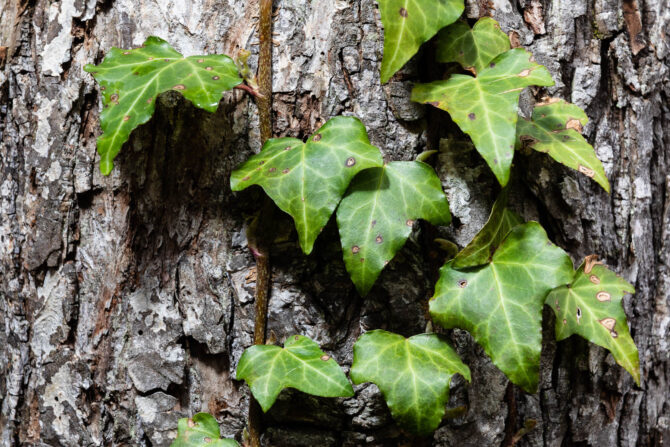
Stories:English ivy is doing more harm than good in your yard
Last updated: March 20, 2025
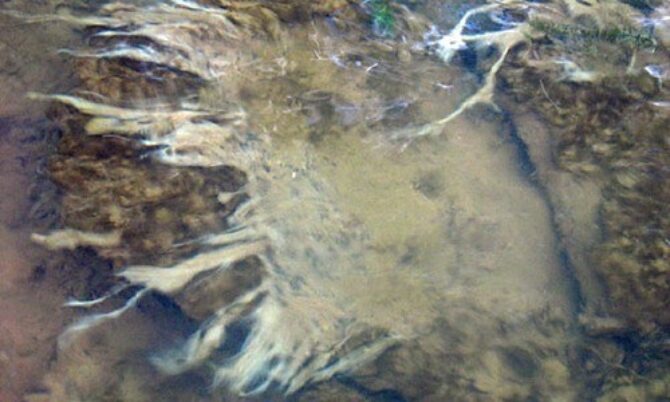
Plants & Animals:Didymo (Didymosphenia geminata)
Last updated: September 13, 2021
Didymo is a type of algae that forms dense mats at the bottom of freshwater streams. It is an invasive species.
Publications:Recommendations ffor (a) the Reauthorization of National Invasive Species Act of 1996, and (b) the N
Last updated: May 9, 2025
The worldwide transfer and introduction of nonindigenous species (NIS) by human activities is having significant and unwanted ecological, economic, and human-health impacts. Although marine invasions have received relatively little attention compared to terrestrial and freshwater communities, the exten and consequences of these invasions are becoming increasingly clear. For example, approximately 400 NIS are known to be established in coastal marine waters of the US>, and over 200 of these can occur in a single estuary.
Stories:Local government leaders fish for invasive species management strategies in the Bay
Last updated: July 13, 2023

Stories:Question of the Week: What do invasive species do to the Bay?
Last updated: January 30, 2023
Stories:New Ballast Water Initiative May Help Stop Spread of Invasive Species
Last updated: July 22, 2022
Pages:Wetlands
Last updated: December 2, 2025

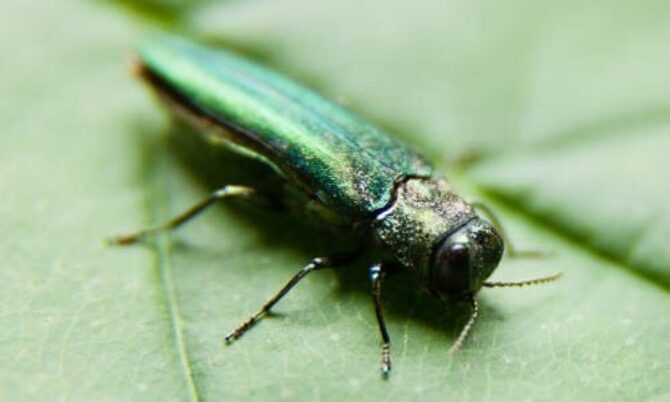
Plants & Animals:Emerald ash borer (Agrilus planipennis)
Last updated: April 30, 2026
The emerald ash borer is a green, shiny beetle that lives on ash trees in certain parts of Maryland, Virginia and Pennsylvania. It is an invasive species.