Press Center
Learn about the Bay Program's latest progress in our science and restoration efforts.
Recent Press Releases
Chesapeake Bay underwater grass increases 7% in 2025, nearing 2030 milestone
September 9, 2026Record-setting gains made in the Bay’s high-salinity areas
Read story
Chesapeake Bay watershed jurisdictions continue working toward nitrogen and phosphorus goals, with sediment goal already achieved
August 6, 2026New target date set with revised Chesapeake Bay Watershed Agreement
Read story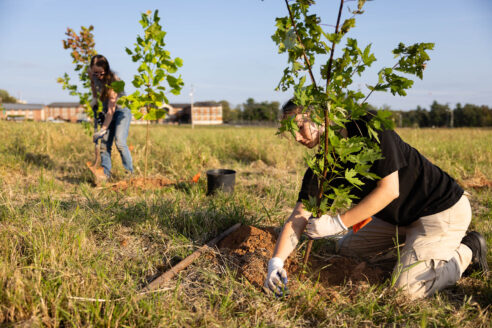
Annual Chesapeake Bay Awareness Week celebrates a watershed “Built by Nature, Protected Together”
June 4, 2026The 11th annual event will take place from June 6-14, 2026
Read story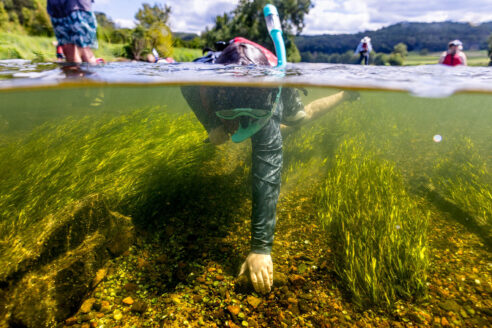
A mild dead zone is expected for the Chesapeake Bay this summer
May 19, 2026Below-average nutrient runoff is predicted to result in better conditions for Bay marine life
Read story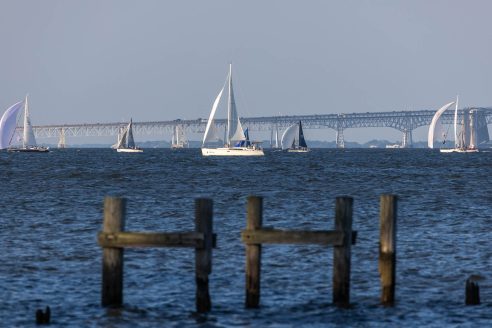
Chesapeake Bay Program Provides Final Snapshot of Progress Under 2014 Watershed Agreement
March 4, 2026The 2024-2025 Bay Barometer tracks restoration progress across the watershed
Read story