Search Results
Results
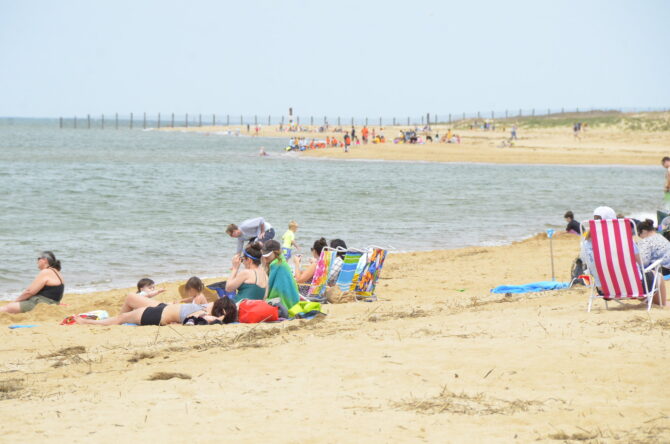
Stories:Visit the Chesapeake Bay’s southernmost beach where English colonists first landed
Last updated: July 28, 2026
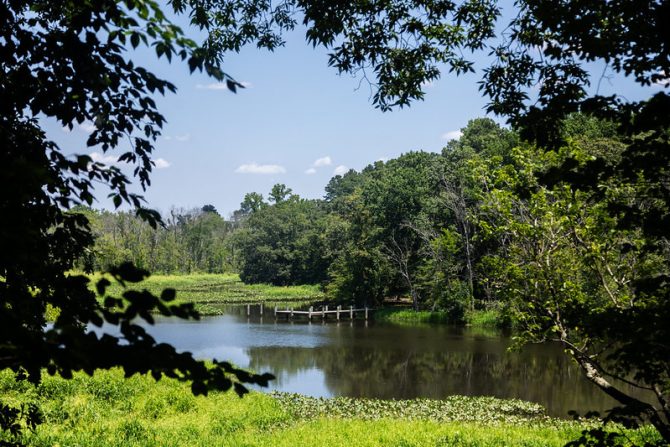
Stories:Tuckahoe Creek is a gentle country stream on Maryland’s Eastern Shore
Last updated: July 21, 2026
Meetings:STAC Workshop: Advancing Market-Based Approaches in the Agricultural Sector to Support Chesapeake Bay Watershed Restoration
Last updated: May 19, 2026
The Scientific and Technical Advisory Committee (STAC) hosted a 2-day workshop to identify key knowledge gaps and provide actionable guidance for implementing market-based approaches to achieve Chesapeake Bay goals. This workshop focused on corporate sustainability programs and pay-for-outcomes programs to accelerate the speed and scale of implementation of agricultural conservation practices. Discussion examined synergies and frictions among incentives and frameworks governing the decisions of private-sector and public-sector partners across the food supply chain.
Publications:Directive 98-2: Chesapeake 2000
Last updated: May 26, 2026
Directive No. 98-2 directs the Chesapeake Bay Program to convene and manage an effort that will lead to the adoption of a Year 2000 Chesapeake Bay Agreement. It further directs that the process include: (1) An assessment of the progress to date under the Bay Agreements and directives. (2) A synthesis of new science relevant to the Chesapeake Bay restoration effort and the long-term health of the ecosystem.
Pages:Sector Verification Guidance
Last updated: October 12, 2023
Stories:A 445-million-year-old critter continues to visit the Bay
Last updated: July 27, 2026

Publications:Directive 24-1: Establishment of a Chesapeake Bay Program Agricultural Advisory Committee
Last updated: May 26, 2026
Directive No. 24-1 establishes the Chesapeake Bay Program's Agricultural Advisory Committee. The intent of this committee is to facilitate greater engagement of the agricultural sector in the policy development conversations of the Chesapeake Bay Program and to serve as a voice for producers to Chesapeake Bay Program leadership by providing high-level policy recommendations to the Chesapeake Executive Council, Principals’ Staff Committee and Management Board. Reciprocally, Advisory Committee members will also help inform their agricultural networks on the goals and progress of the partnership.
Publications:Resolution in Support of the Chesapeake Bay Program Partnership
Last updated: May 26, 2026
This resolution calls upon the President and United States Congress to continue the current level of federal support for the Chesapeake Bay Program, including the coordinating role of the U.S. Environmental Protection Agency (EPA) Chesapeake Bay Program. It also calls for science, monitoring, modeling and restoration to continue with the full participation of local, state and federal agencies and private sector partners as appropriate.
Stories:Eight natural places to visit on the way to the beach this summer
Last updated: January 30, 2023

Meetings:Urban Stormwater Workgroup Meeting - June 2026
Last updated: July 7, 2026
This is the monthly meeting of the Urban Stormwater Workgroup (USWG). Main topics will include discussion and potential approval of the Phase 7 E3 Scenario assumptions, an update on two developed sector loading rate ratios, an introduction on utility-scale solar forecasts for the Phase 7 model, and an update on structure, governance and management strategy development within CBP and CWGT.
Press Releases:Bay Program model shows decline in nutrient, sediment pollution entering the Chesapeake
Last updated: July 22, 2024
Publications:Directive 94-2: Reciprocal Agricultural Certification Program
Last updated: May 26, 2026
In 1992, recognizing the significant role that agriculture plays in Chesapeake Bay restoration, the Chesapeake Executive Council launched the Agricultural Nonpoint Source Initiative to develop strategies for the agricultural community to reach their nutrient reduction goals. Based on recommendations from the Agricultural Nonpoint Source Initiative Committee, Directive No. 94-2 commits the Chesapeake Bay Program to: (1) Develop reciprocal certification programs for nutrient management professionals among Maryland, Pennsylvania and Virginia. (2) Determine the feasibility of developing reciprocal certification for other total resource management components such as forestry, integrated pest management and erosion control.
Publications:Resolution to Enhance the Role of the United States Department of Agriculture in the Chesapeake Bay Partnership
Last updated: May 26, 2026
Through this resolution, the Chesapeake Executive Council recognizes that the new Farm Bill of 2002 can support both technical and financial resources in addressing nutrient reduction needs, as well as encouraging conservation, innovation and partnerships in watersheds such as the Chesapeake Bay. The resolution urges the Secretary of Agriculture to make the Chesapeake Bay watershed a priority objective by heightening coordination efforts with other federal departments and agencies in order to leverage resources available from federal programs, such as the Farm Bill, the private sector and the states. It also urges the Secretary of Agriculture to utilize, where appropriate, the experience of the Chesapeake Bay Program as Farm Bill rules are developed for programs included in Title 2: Conservation; Title 7: Research; Title 8: Forestry; and Title 9: Energy.
Stories:Fostering Chesapeake Bay stewardship among regional businesses
Last updated: January 30, 2023

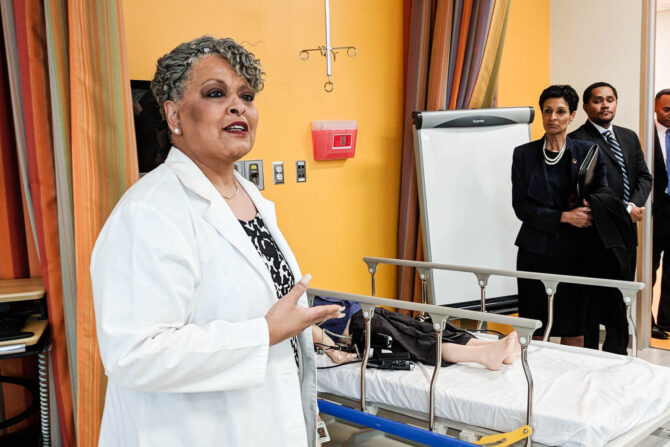
Stories:Bowie State University and EPA collaborate
Last updated: February 4, 2025
Publications:Resolution to Support Local Government Engagement
Last updated: May 26, 2026
This resolution commends the Chesapeake Bay watershed's local governments and local utilities for taking the necessary steps to make the modifications required to reduce the wastewater sector’s pollutant discharges nearly a decade ahead of schedule. The resolution also commits the Chesapeake Executive Council to speak out on behalf of clean water and to help raise awareness about the benefits of investing public funds in watershed protection and restoration efforts and the importance of taking action at the local level, through the production and distribution of Public Service Announcements, and the use of social media and other public venues as appropriate. Finally, it charges the Principals’ Staff Committee to evaluate and pursue opportunities to increase public funding and private investment for local implementation of conservation and restoration activities that achieve local healthy streams, rivers and a vibrant Chesapeake Bay, particularly activities that reduce pollutants from stormwater runoff and address the problem of recurrent flooding.
Projects:Toxic Contaminants Co-Benefits
Last updated: June 24, 2026
Projects:Non-tidal Wetlands Communication Strategy
Last updated: June 11, 2026
Publications:Water Quality Goal Implementation Team (GIT) Governance Protocols
Last updated: December 8, 2025
The Water Quality Goal Implementation Team (GIT) Governance Protocols articulate the decision-making procedures and cross-sector communication processes observed by the GIT and its workgroups.
People:Martin Koslof
Last updated: March 2, 2026

Publications:Memorandum of Agreement Between the United States Department of Agriculture and The Chesapeake Bay E
Last updated: May 9, 2025
Outlines actions to be implemented by the Chesapeake Bay Program with the partnership of the Department of Agriculture, state and local governments, the environmental and agricultural communities, the private sector and other Federal agencies.
Stories:Visit Jug Bay Wetlands Sanctuary, an ecological wonderland
Last updated: January 30, 2023
Stories:14 Places to View the Chesapeake's Wintering Waterfowl
Last updated: January 30, 2023

People:Jesse Lamb
Last updated: March 11, 2026

Stories:For bees and other wildlife, a stretch of sand is a land of plenty
Last updated: September 16, 2022